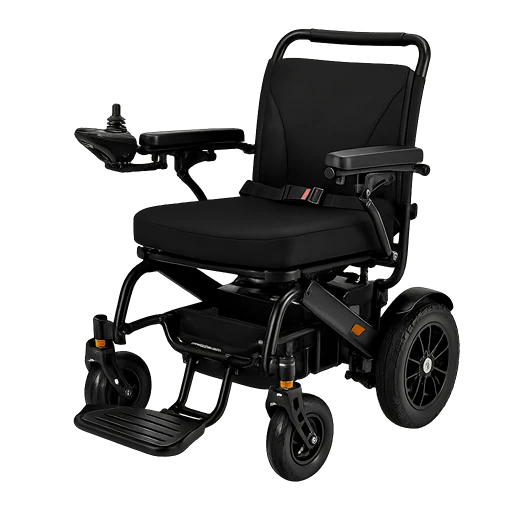

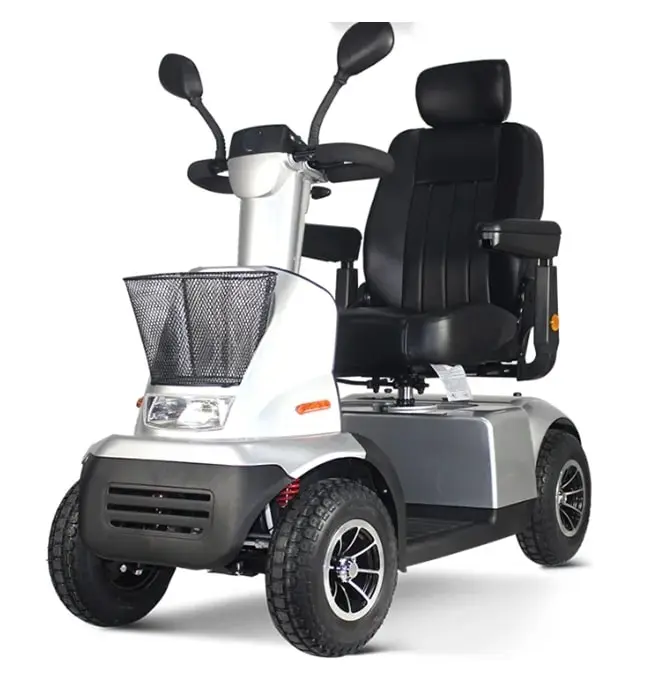
If your mobility scooter keeps losing power, slowing down, or stopping unexpectedly, it’s not just frustrating — it can affect your independence.
The good news? Most power issues are easy to diagnose and fix.
This guide will walk you through the most common causes of mobility scooter power loss and how to fix them quickly.
Quick Answer: Why Does My Mobility Scooter Lose Power?
Your mobility scooter may be losing power due to:
- Weak or failing batteries
- Loose or corroded connections
- Overloading or excess weight
- Low tire pressure or worn tires
- Improper charging habits
- Motor or controller issues
Let’s break each one down.
1. Battery Problems (Most Common Cause)
Your battery is the primary source of power. If it’s weak, your scooter will struggle.
Signs of Battery Issues
- Reduced travel distance
- Slow acceleration
- Sudden drop in power
- Battery not holding charge
How to Fix It
- Check battery connections (clean and tight)
- Replace batteries if they are old (2–3 years lifespan)
- Avoid fully draining batteries frequently
Tip: If your scooter works fine after charging but loses power quickly, your battery is likely failing.
2. Charging Issues
Incorrect charging habits can damage your battery over time.
Common Mistakes
- Using the scooter before full charge
- Overcharging overnight regularly
- Using non-compatible chargers
Best Practice
- Always use the original charger
- Charge fully before use
- Follow manufacturer charging guidelines
3. Overloading the Scooter
Every mobility scooter has a weight limit. Exceeding it reduces performance.
What Happens When You Overload
- Reduced speed
- Increased battery drain
- Motor strain
Solution
- Stay within the recommended weight capacity
- Distribute weight evenly
- Upgrade to a heavy-duty scooter if needed
4. Tire Condition & Pressure
Tires directly affect how hard your scooter’s motor has to work.
Problems to Watch
- Low tire pressure
- Worn-out tires
Fix
- Check tire pressure regularly
- Replace worn tires
Proper tires = less resistance = better battery performance.
5. Riding on Slopes or Rough Terrain
Terrain plays a major role in power consumption.
High Power Usage Situations
- Uphill driving
- Gravel or uneven surfaces
- Long-distance outdoor use
Solution
- Avoid steep slopes when possible
- Use scooters designed for outdoor terrain
6. Motor or Electrical Issues
If everything else checks out, the issue may be mechanical.
Possible Problems
- Worn-out motor
- Faulty controller
- Loose or damaged wiring
Signs You Need Repair
- Unusual noises
- Intermittent power loss
- Jerky movement
Solution: Get your scooter checked or a mobility equipment repair by a professional technician.
How to Prevent Power Loss in Your Mobility Scooter
- Maintain your battery regularly
- Charge properly
- Keep tires in good condition
- Avoid overloading
- Service your scooter periodically
When Should You Replace Your Scooter?
If your scooter frequently loses power even after maintenance, it may be time for an upgrade.
Modern mobility scooters offer:
- Longer battery life
- Stronger motors
- Better terrain handling
👉 Explore high-performance mobility scooters for reliable daily use.
Frequently Asked Questions
Why does my scooter lose power after a full charge?
This usually indicates a weak or failing battery.
How long should mobility scooter batteries last?
Typically 2–3 years depending on usage and maintenance.
Can terrain affect scooter power?
Yes, slopes and rough terrain increase power consumption significantly.
Is it safe to keep using a scooter with power issues?
No, it can be unsafe and should be inspected immediately.
Final Thoughts
Mobility scooter power loss is common – but in most cases, it’s preventable.
By maintaining your battery, following proper charging practices, and addressing issues early, you can keep your scooter running smoothly.
Stay mobile. Stay independent.