














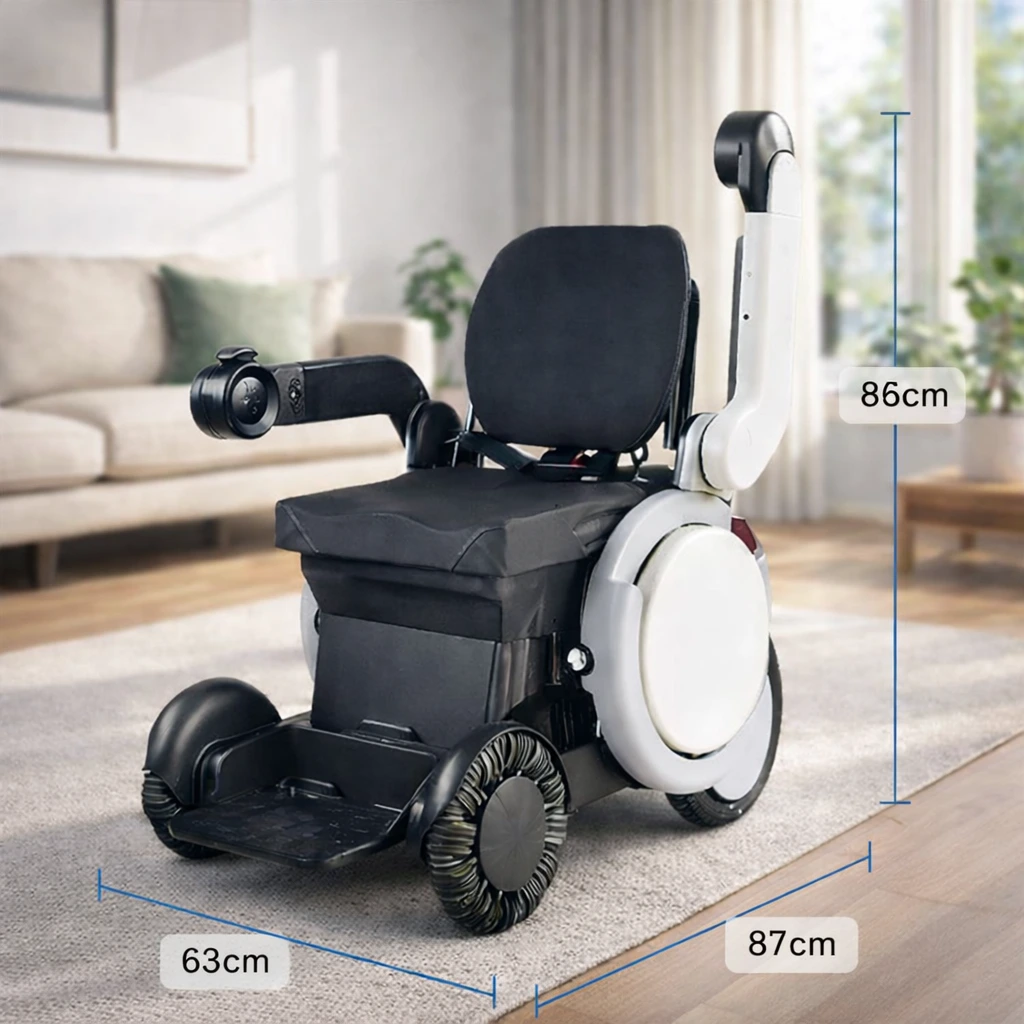
Choosing the right wheelchair is more than simply selecting a mobility device. The right wheelchair can significantly improve comfort, independence, and quality of life for individuals with mobility challenges.
Whether you are purchasing a wheelchair for yourself, a loved one, or someone who is a Person of Determination, understanding the different types of wheelchairs, features, and sizing considerations is essential.
This wheelchair buying guide will help you understand the available options so you can choose the mobility solution that best fits your needs.
Types of Wheelchairs
Understanding the different types of wheelchairs is the first step in choosing the right mobility aid. Each type is designed for specific lifestyles, mobility levels, and environments.
Manual Wheelchairs

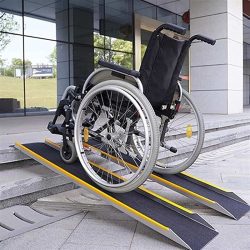
A manual wheelchair is one of the most common mobility devices used worldwide. These wheelchairs are propelled by the user or pushed by a caregiver.
Manual wheelchairs are popular because they are:
- Lightweight and easy to maneuver
- More affordable than powered options
- Suitable for daily indoor and outdoor mobility
Manual wheelchairs come in different configurations, including lightweight models, travel-friendly designs, and heavy-duty options.
They are ideal for individuals who have sufficient upper body strength or caregivers who can assist with mobility.
Folding Wheelchairs
Folding wheelchairs are designed for portability and convenience. They can be easily folded and stored in vehicles or compact spaces.
Benefits of folding wheelchairs include:
- Easy transportation
- Compact storage
- Travel-friendly design
However, folding mechanisms may slightly reduce frame rigidity compared to rigid-frame wheelchairs.
Rigid Frame Wheelchairs
Rigid frame wheelchairs are designed for users who prioritize performance and efficiency.
Advantages include:
- Better energy transfer when propelling the wheelchair
- Lightweight construction
- Improved maneuverability
Rigid frame wheelchairs are often preferred by active users but may be less convenient for transportation.
Lightweight vs Heavy-Duty Wheelchairs
Choosing between lightweight and heavy-duty wheelchairs depends on the user’s needs and lifestyle.
Lightweight Wheelchairs
Lightweight wheelchairs are designed for:
- Easy maneuverability
- Daily use
- Travel and transportation
These wheelchairs offer agility and convenience but may have weight capacity limitations.
Heavy-Duty Wheelchairs
Heavy-duty wheelchairs are designed for durability and higher weight capacity.
They are ideal for:
- Bariatric users
- Rough terrain
- Long-term durability
While they provide excellent stability, they may be heavier and less portable.
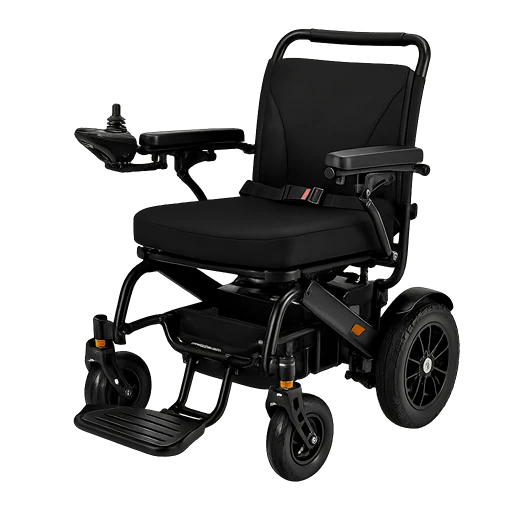
Electric Wheelchairs (Power Wheelchairs)

An electric wheelchair is a motorized mobility device designed for individuals who cannot manually propel a wheelchair.
Power wheelchairs provide:
- Increased independence
- Reduced physical strain
- Smooth mobility across different terrains
Electric wheelchairs are controlled using a joystick or control panel, making them ideal for users with limited upper body strength.
Rear-Wheel Drive vs Front-Wheel Drive Electric Wheelchairs
Different electric wheelchair designs offer different driving experiences.
Rear-Wheel Drive
Rear-wheel drive electric wheelchairs provide:
- Higher speeds
- Greater stability
- Better outdoor performance
They are often preferred for outdoor mobility.
Front-Wheel Drive
Front-wheel drive wheelchairs focus on maneuverability.
Benefits include:
- Easier navigation in tight indoor spaces
- Improved turning radius
However, they may feel less stable on rough terrain compared to rear-wheel drive models.
Battery Life and Charging for Electric Wheelchairs
Battery performance is one of the most important factors when choosing an electric wheelchair.
Important considerations include:
Battery Capacity
Higher-capacity batteries allow longer travel distances but may add weight to the wheelchair.
Regular Charging
Charging your wheelchair regularly helps maintain battery health and reliability.
Spare Batteries
Having a backup battery is helpful for extended travel or long outings.
Environmental Factors
Extreme temperatures can affect battery performance. Always store batteries in moderate conditions.
Important Factors When Buying a Wheelchair
Choosing the right wheelchair requires careful consideration of several personal and lifestyle factors.
1. User Mobility Needs
Understanding the user’s physical capabilities is essential.
Consider factors such as:
- Upper body strength
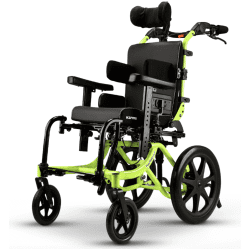
- Posture support requirements
- Ability to self-propel
For individuals with limited strength, an electric wheelchair may be the best option.
2. Comfort and Seating
Comfort plays a major role in daily wheelchair use.
Look for features such as:
- Adjustable cushions
- Ergonomic backrests
- Pressure-relief seating systems
Proper seating helps maintain posture and prevents pressure sores.
3. Portability and Transportation
If you travel frequently or transport the wheelchair often, portability becomes important.
Lightweight and folding manual wheelchairs are ideal for travel.
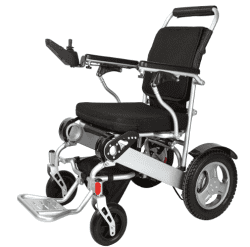
Some electric wheelchairs also offer foldable designs for easier transportation.
4. Adjustability and Customization
Every wheelchair user has unique needs.
Customizable features may include:
- Seat height adjustment
- Backrest angle
- Armrest height
- Footrest positioning
Adjustable wheelchairs can adapt to changing mobility needs over time.
Wheelchair Features and Accessories
Accessories can enhance comfort, safety, and usability.
Wheelchair Frames and Materials
Wheelchair frames are typically made from:
- Aluminum (lightweight and portable)
- Steel (strong and durable)
Suspension systems can also improve ride comfort on uneven terrain.
Seating Options: Cushions and Backrests
Pressure-relieving cushions and ergonomic backrests help prevent discomfort during long periods of sitting.
Popular cushion materials include:
- Memory foam
- Gel cushions
- Air cushions
Wheelchair Wheels and Tires
Different tires are suitable for different environments.
Pneumatic Tires
Provide better shock absorption and smoother rides.
Solid Tires
Require less maintenance and are puncture-resistant.
Choosing the right tires helps improve mobility across various surfaces.
Additional Wheelchair Accessories
Common accessories include:
- Armrests for support
- Adjustable footrests
- Ergonomic brakes
- Cup holders and storage bags
These features enhance convenience and usability.
Choosing the Right Wheelchair Size
Proper wheelchair sizing is critical for safety and comfort.
Incorrect sizing may lead to:
- Pressure sores
- Poor posture
- Reduced mobility efficiency
It is always recommended to consult a healthcare professional when determining the correct wheelchair size.
Important measurements include:
- Seat width
- Seat depth
- Seat height
- Backrest height
- Armrest height
A properly fitted wheelchair improves comfort and long-term mobility.
Wheelchair Maintenance and Care
Proper maintenance ensures that your wheelchair remains safe and reliable.
Regular Cleaning
Keep the wheelchair frame clean and inspect components regularly.
Tire Checks
Maintain proper tire pressure to ensure smooth mobility.
Lubrication
Lubricate moving parts to maintain smooth operation.
Storage
Store the wheelchair in a dry location and avoid extreme temperatures.
Regular maintenance extends the lifespan of your wheelchair.
Mobility Solutions for People of Determination
Wheelchairs are essential mobility tools that help People of Determination live independently and participate fully in everyday life.
Whether choosing a manual wheelchair, electric wheelchair, or exploring wheelchair rental services, selecting the right mobility solution can significantly improve accessibility and independence.
Final Thoughts
Choosing the right wheelchair is an important decision that affects comfort, independence, and daily mobility.
By understanding different wheelchair types, features, and sizing requirements, individuals and caregivers can make informed decisions.
The right wheelchair should not only support mobility but also empower users – including People of Determination – to live confidently and independently.