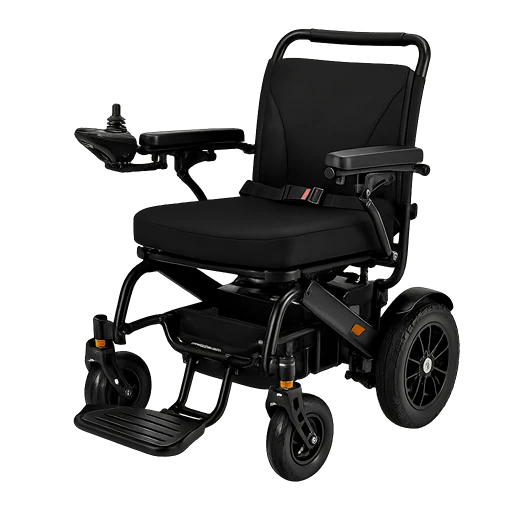


The wheelchair ramp angle plays a critical role in creating safe and accessible spaces for wheelchair users. For many individuals with mobility challenges and people of determination, properly designed ramps help ensure independence and safe movement between different levels of a home or building.
Installing a ramp with the correct wheelchair ramp angle improves safety, usability, and comfort for both manual and electric wheelchair users.
This guide explains everything you need to know about wheelchair ramps, including ADA slope standards, design considerations, safety features, and maintenance tips.
Understanding Wheelchair Ramp Angles
The wheelchair ramp angle refers to the slope or incline of a ramp. The ramp slope directly affects how easy or difficult it is for wheelchair users to travel up or down safely.
If a ramp is too steep, users may struggle to push their wheelchair or risk accidents. A properly designed ramp ensures safe navigation for both wheelchair users and caregivers.
ADA Standard Wheelchair Ramp Angle (1:12 Ratio)
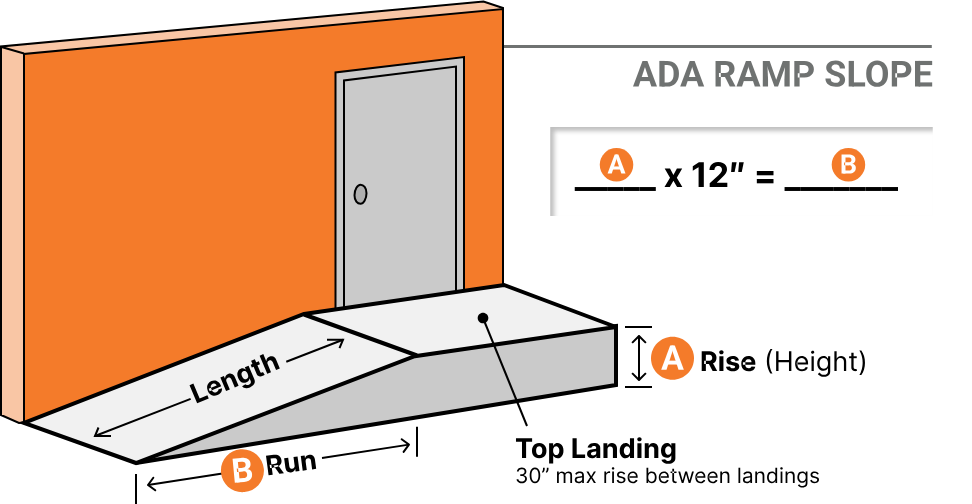
According to the Americans with Disabilities Act (ADA), the recommended wheelchair ramp angle follows a 1:12 slope ratio.
This means:
- For every 1 inch of vertical rise, the ramp should extend 12 inches in length
Example calculations:
- 6 inch rise → 6 feet ramp length
- 12 inch rise → 12 feet ramp length
- 24 inch rise → 24 feet ramp length
This ratio provides the safest balance between usability and physical effort.
Both manual and electric wheelchair users can comfortably navigate ramps designed using this standard.
Why the 1:12 Wheelchair Ramp Angle Is Recommended
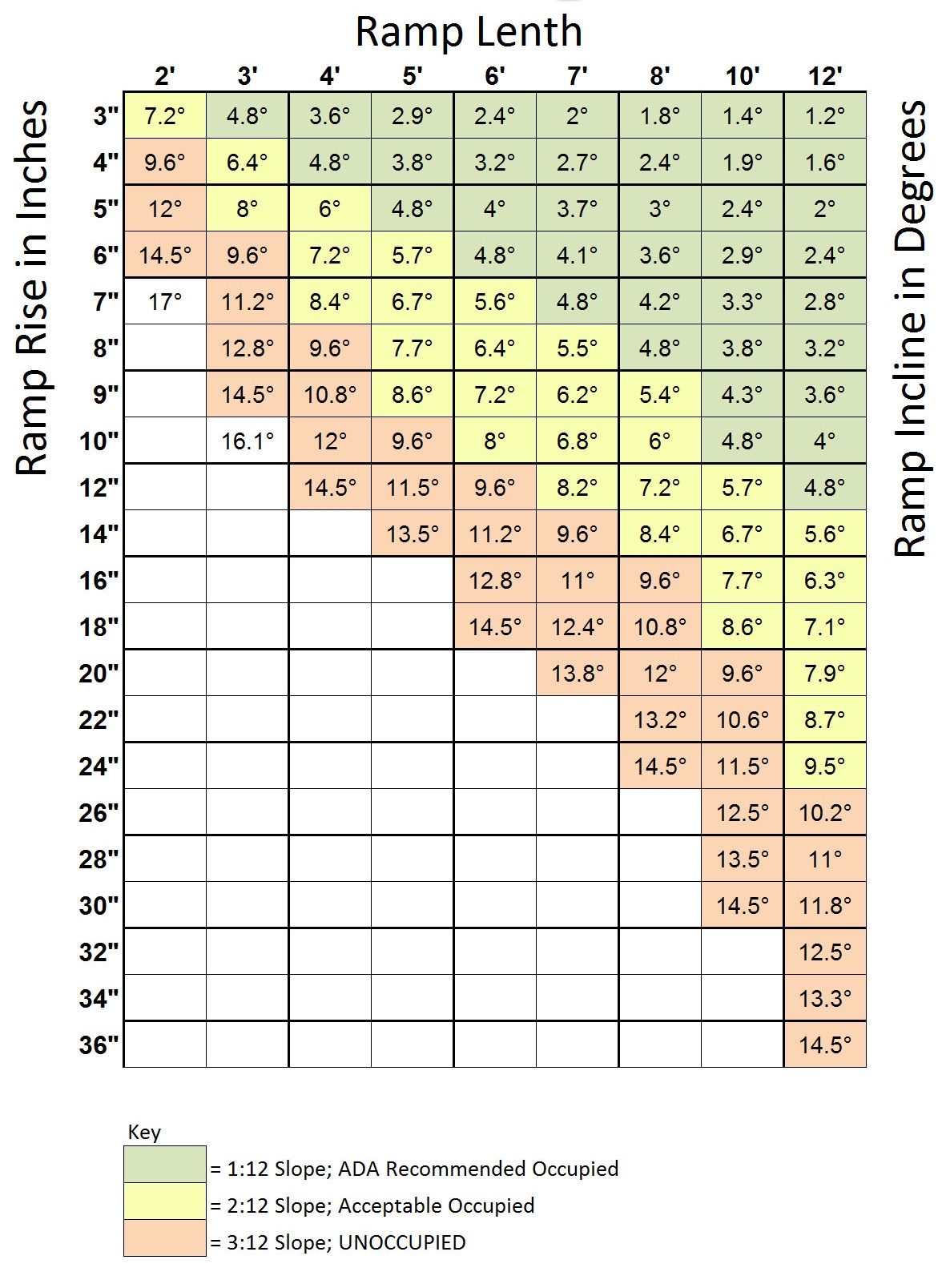
The 1:12 wheelchair ramp angle is widely accepted because it creates a gradual slope that is easier to navigate.
Benefits include:
- Reduced physical effort for wheelchair users
- Lower risk of slipping or tipping
- Improved safety for elderly individuals
- Better accessibility for people of determination
This standard works well for residential homes, hospitals, public buildings, and accessibility projects.
ADA Guidelines for Steeper Ramp Angles
Although 1:12 is the recommended standard, ADA guidelines allow slightly steeper ramps in limited situations.
For example:
- 1:10 slope may be used when space is limited
- Maximum rise should not exceed 3 inches (75 mm)
However, steeper ramps should only be used for short distances and must still prioritize safety.
Design Considerations for Wheelchair Ramps
Beyond selecting the correct wheelchair ramp angle, several design factors must be considered to ensure safe ramp installation.
Site Assessment
Before installing a ramp, it is important to evaluate the surrounding environment.
Important factors include:
- Available installation space
- Height of the rise
- Staircase or entrance design
- Obstacles near the ramp location
A professional assessment ensures the ramp design is safe and practical.
Ramp Length
Ramp length must always match the chosen wheelchair ramp angle.
Longer ramps create gentler slopes, which improves accessibility.
Online ramp calculators can help determine the exact ramp length required for a given rise height.
Planning ramp length carefully also allows for future home accessibility upgrades.
Space Limitations
Not every building has enough space for a long ramp.
In these situations, alternative accessibility solutions may include:
- Platform lifts
- Wheelchair steps
- Stairlifts
- Home accessibility modifications
Consulting accessibility specialists helps identify the best solution for limited spaces.
Essential Safety Features for Wheelchair Ramps
Ensuring safety is essential when designing ramps.
Below are important safety features recommended by accessibility guidelines.
Handrails
Handrails should be installed on both sides of the ramp.
Benefits include:
- Improved balance and stability
- Support for caregivers assisting wheelchair users
- Additional safety for elderly users
Handrails must follow ADA height and spacing guidelines.
Anti-Slip Surfaces
Wheelchair ramps should include non-slip surfaces to prevent accidents.
This is especially important for outdoor ramps exposed to rain or humidity.
Recommended ramp materials include:
- Aluminum textured surfaces
- Rubber flooring
- Anti-slip coatings
The ramp should also support the weight of heavy electric wheelchairs and mobility aids.
Maintenance of Wheelchair Ramps
Regular maintenance is essential to keep ramps safe and functional.
Ignoring maintenance can lead to safety hazards and reduced accessibility.
Routine maintenance includes:
- Cleaning ramp surfaces
- Inspecting handrails and supports
- Checking bolts and structural stability
- Ensuring anti-slip materials remain effective
Maintaining ramps helps extend their lifespan and ensures continued safety.
Repairing Wheelchair Ramps
Repairs should be completed promptly when problems are detected.
Common ramp repairs include:
- Fixing loose handrails
- Replacing worn surface materials
- Reinforcing structural components
- Repairing damaged support rails
Timely repairs ensure the ramp remains safe and reliable.
Frequently Asked Questions
What is the best wheelchair ramp angle?
According to ADA guidelines, the recommended wheelchair ramp angle is 1:12.
What are standard wheelchair ramp angles?
The most common ramp slope used for accessibility is 1:12, which ensures gradual incline and safe wheelchair movement.
What is the maximum slope for a wheelchair ramp?
The recommended maximum ramp slope is 1:12, while vehicle ramps often use 1:20 slopes.
How do you calculate ramp angle?
Ramp angle can be calculated using a ramp calculator or by measuring the vertical rise and ramp length.
What is the formula for ramp slope?
Ramp slope percentage can be calculated using the formula:
Slope (%) = (height ÷ ramp length) × 100
How long should a ramp be for two steps?
If each step has a 7 inch rise, the ramp should ideally be 14 feet long using the recommended wheelchair ramp angle of 1:12.
Conclusion
Choosing the correct wheelchair ramp angle is essential for building safe and accessible environments. By following ADA standards and implementing proper design practices, ramps can provide reliable accessibility for wheelchair users.
For homes and public spaces supporting people of determination, properly designed ramps play a key role in creating inclusive environments that promote independence and mobility.