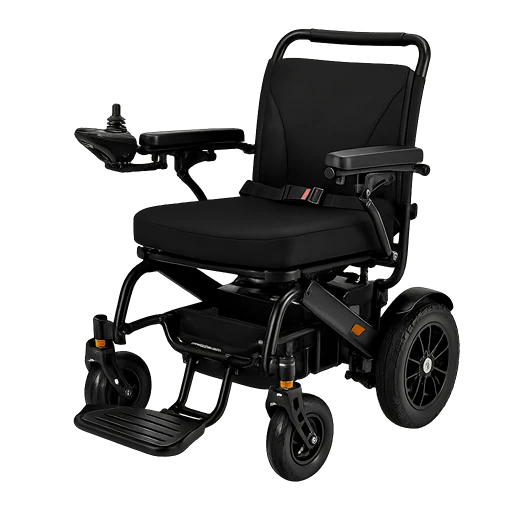


Choosing the right types of walkers is essential for maintaining mobility, independence, and safety. Walkers are widely used by People of Determination, elderly individuals, and patients recovering from injury or surgery who require additional support while walking.
With many types of walkers available, selecting the right mobility aid can feel overwhelming. Each walker offers different levels of stability, comfort, and maneuverability depending on the user’s mobility needs.
In this guide, we compare the most common types of walkers, their benefits, and how to choose the right walker for yourself or a loved one.
Why Walkers Are Important for Mobility
Walkers are among the most commonly used mobility aids designed to improve balance and reduce the risk of falls.
For many People of Determination, walkers provide essential support that allows them to move safely at home, outdoors, and in public spaces.
Walkers can help users:
- Maintain independence while walking
- Improve balance and stability
- Reduce strain on joints and muscles
- Prevent falls and injuries
Selecting the correct walker ensures comfort, safety, and improved mobility.
Common Types of Walkers
There are several different types of walkers, each designed to support specific mobility needs.
1. Walking Canes
Canes are the simplest type of walking aid and are ideal for individuals who require minimal support while walking.
A cane typically consists of a single support stick used to maintain balance.
Benefits of Canes
- Lightweight and portable
- Easy to carry and store
- Provides mild balance support
- Stylish and available in various materials
Considerations
- Provides limited stability compared to walkers
- Not suitable for individuals who need full body support
Canes are best suited for users who are still relatively mobile but need extra balance assistance.
2. Standard Walkers
Standard walkers are the most traditional type of walker. They consist of a stable, lightweight metal frame without wheels.
Users must lift the walker slightly with each step before moving forward.
Benefits
- Maximum stability
- Lightweight and durable
- Ideal for indoor use
- Excellent for rehabilitation support
Considerations
- Requires upper body strength to lift
- Not suitable for uneven terrain
- Slower walking speed
Standard walkers are often recommended for individuals who need maximum support and stability.
3. Two-Wheeled Walkers
Two-wheeled walkers, also called front-wheeled walkers, feature wheels on the front legs while the back legs remain stationary.
This design allows the walker to glide forward without being lifted completely.
Benefits
- Easier to move compared to standard walkers
- Provides better mobility
- Suitable for both indoor and outdoor use
- Offers good stability
Considerations
- Slightly less stable than standard walkers
- Wheels may struggle on rough terrain
Two-wheeled walkers are ideal for individuals who require moderate support but want easier mobility.
4. Four-Wheeled Walkers (Rollators)
Four-wheeled walkers, commonly known as rollators, are advanced mobility aids designed for improved mobility and comfort.
Rollators include:
- Four wheels
- Hand brakes
- Built-in seat
- Storage basket
Benefits
- Excellent maneuverability
- Built-in seat allows resting during walks
- Ideal for longer distances
- Storage basket for personal items
Considerations
- Larger and heavier than other walkers
- Requires coordination to operate hand brakes
- Higher cost
Rollators are perfect for users who need mobility support for longer walks and outdoor activities.
Comparing Different Types of Walkers
| Type of Walker | Support Level | Best Use |
|---|---|---|
| Cane | Low | Mild balance support |
| Standard Walker | High | Maximum stability |
| Two-Wheeled Walker | Moderate | Indoor and outdoor mobility |
| Rollator (4 Wheels) | Moderate | Long-distance walking |
Understanding these differences can help individuals select the best walker for their mobility needs.
How to Choose the Right Walker
When selecting a walker, several factors should be considered.
1. Mobility Needs
The level of support required should be the first consideration.
- Minimal support → Cane
- Maximum stability → Standard walker
- Balanced support and mobility → Two-wheeled walker
- Long-distance mobility → Rollator
2. Environment
Think about where the walker will be used most often.
- Indoor use → Standard walkers
- Outdoor use → Rollators
- Mixed use → Two-wheeled walkers
3. Physical Strength
Some walkers require more physical effort than others.
Standard walkers require lifting, which may not be suitable for individuals with limited upper body strength.
Rollators require less effort but require brake coordination.
4. Additional Features
Modern walkers may include features such as:
- Adjustable height
- Comfortable grips
- Built-in seats
- Storage baskets
These features can greatly improve convenience and usability.
Mobility Solutions for People of Determination
Walkers are an essential mobility aid that help People of Determination maintain independence and confidence while walking.
In addition to walkers, other mobility solutions can improve accessibility and mobility, including:
- Manual wheelchairs
- Electric wheelchairs
- Mobility scooters
- Bathroom safety equipment
- Accessibility ramps
Combining the right mobility aids and assistive devices ensures improved independence and quality of life.
Why Choose Gilani Mobility?
Gilani Mobility provides a wide range of mobility solutions designed to support People of Determination and individuals with mobility challenges.
Our mobility products include:
- High-quality walkers
- Manual wheelchairs
- Electric wheelchairs
- Mobility scooters
- Bathroom safety aids
Our team helps customers choose the best mobility equipment based on their personal needs and lifestyle.
Final Thoughts
Understanding the different types of walkers is the first step toward choosing the right mobility aid.
Whether selecting a cane, standard walker, two-wheeled walker, or rollator, the goal is to provide maximum support, stability, and independence.
For many People of Determination, the right walker can significantly improve daily mobility and confidence.
With the right mobility solutions and support from trusted providers like Gilani Mobility, individuals can continue to live active and independent lives.