




















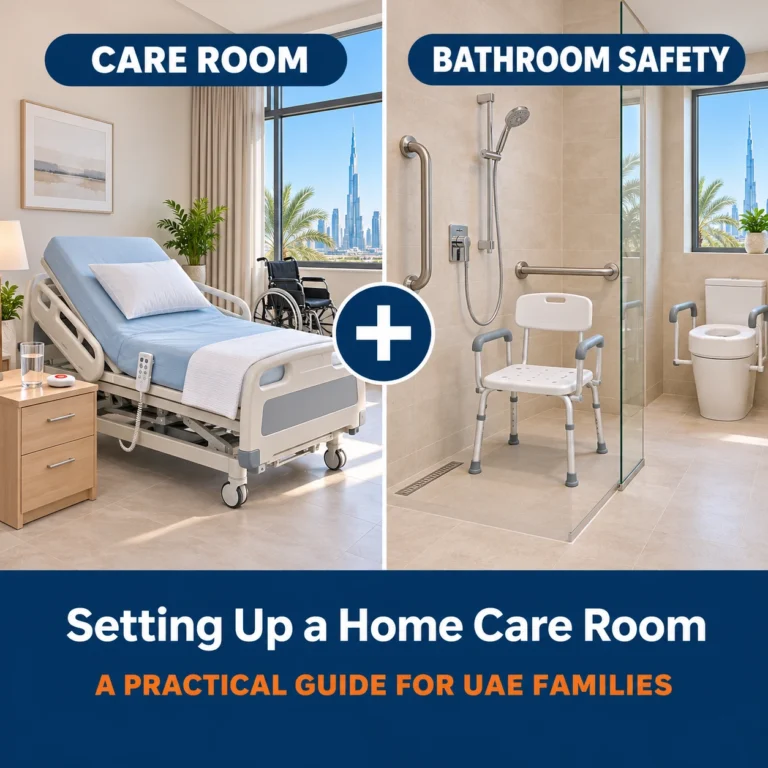
When an elderly family member comes home from the hospital, the room you prepare matters a lot. A good setup lowers the risk of falls and bedsores. It also makes daily care easier and safer for you.
Quick answer: A safe home care room needs a ground-level or easy-access room, an adjustable medical bed, a pressure relief mattress, clear floor space of about 150 cm for turning, a safe bathroom with grab rails and a commode or raised toilet seat, good lighting, and a way to call for help. Ask the doctor or nurse what your family member needs before you buy anything.
This guide walks you through each step. It is written for families in the UAE who want to care for a loved one at home.
What Does a Home Care Room Need?
At a minimum, a home care room needs five things:
- A safe, easy-to-reach room
- A bed that suits the patient’s needs
- A mattress that protects the skin
- Enough space to move and to care for the patient
- A safe bathroom and the right mobility aids
The sections below explain each one.
Step 1: Choose the Right Room
The best room is one your family member can reach and leave easily. Look for these points:
- Close to the bathroom. Short distances reduce falls and make night care easier.
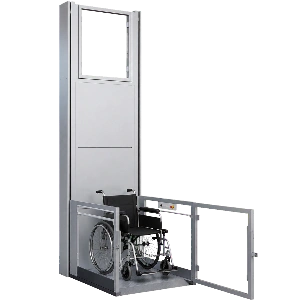
- Easy access. A ground-floor room is best. If the room is upstairs, think about a stair lift or platform lift.
- Wide doors. A wheelchair usually needs a clear door opening of about 80 cm.
- Smooth, non-slip floor. Remove loose rugs and mats. Tiles can be slippery when wet, so use non-slip mats only where needed and fix them firmly.
- Good light and fresh air. Natural light helps mood and sleep. Keep the room cool and comfortable, which is important in the UAE heat.
Step 2: Pick the Right Bed
A regular bed is often not enough for a person who needs long-term care. A medical bed (also called a hospital bed or home care bed) gives more comfort for the patient and less strain for the caregiver.
Manual vs electric medical bed
| Feature | Manual bed | Electric bed |
|---|---|---|
| How it adjusts | Hand crank | Remote control |
| Best for | Short-term use, lower budget | Daily, long-term care |
| Caregiver effort | Higher | Low |
| Patient independence | Low | Higher, patient can adjust alone |
When you compare beds, check these features:
- Height adjustment. A higher bed saves your back during care. A lower bed helps the patient get in and out safely.
- Head and leg sections. These help with eating, breathing comfort and resting.
- Side rails. Rails help with positioning and can prevent roll-outs. Ask the nurse if rails are right for your family member, because some patients can get trapped by them.
- Weight capacity. Always check that it matches the patient’s weight.
If you only need a bed for a short time, renting can make more sense than buying. See the buy or rent section below.
Step 3: Protect the Skin with the Right Mattress
People who spend many hours in bed can develop pressure sores (bedsores). These happen when pressure stays on one area of skin for too long.
A pressure relief mattress, such as an alternating air mattress, spreads the pressure and helps protect the skin. It does not replace regular repositioning. Ask the doctor or nurse how often your family member should be turned. Many care plans suggest about every two hours, but it depends on the patient.
Keep the skin clean and dry, and check pressure areas like the heels, hips and lower back every day. Tell the doctor early if you see red or broken skin.
Step 4: Plan the Room Layout
A good layout makes care faster and safer.
- Leave space around the bed. Keep at least one side fully open, and ideally both sides, so a caregiver can reach the patient easily.
- Keep about 150 cm (5 feet) of clear floor space if a wheelchair needs to turn.
- Place the bed so the patient can see the door and the window. This helps with comfort and reduces feelings of isolation.
- Keep daily items within reach. Water, glasses, phone, tissues and the call bell should be on a bedside table.
- Add a call system. A simple bell, a baby monitor or a wireless call button lets the patient ask for help at night.
- Use soft night lights. They help prevent falls on the way to the bathroom.
- Remove clutter and cables. Keep walkways clear.
Step 5: Make the Bathroom Safe
The bathroom is where most home falls happen. A few simple changes make a big difference:
- Grab rails near the toilet and in the shower. Fix them to the wall properly. Suction rails are not safe for body weight.
- Raised toilet seat for people who find it hard to sit down and stand up.
- Commode chair for patients who cannot walk to the bathroom, or for use by the bed at night. Choose one that suits your family member’s needs, such as a standard, wheeled or shower commode.
- Shower chair or bench so the patient can sit while washing.
- Non-slip surface in the shower and a long-handled sponge or hand shower to reduce reaching.
Step 6: Add Mobility and Transfer Aids
Moving a person from the bed to a chair is one of the highest-risk tasks in home care. The right equipment protects both of you.
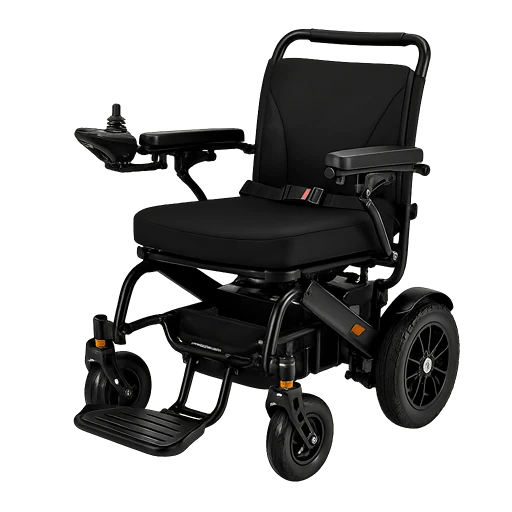
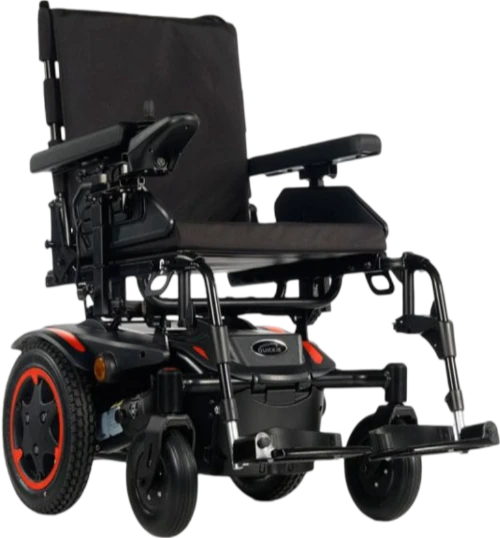
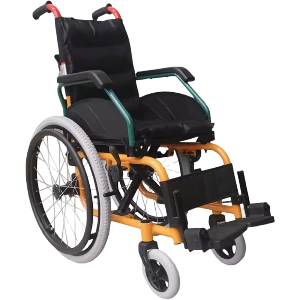
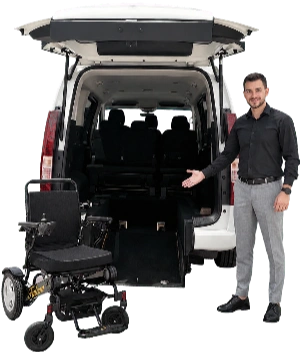
- Wheelchair. Pick one that fits the patient’s body size, weight and daily use. A wheelchair that is the wrong size can cause pain and pressure problems.
- Transfer aids. Items like transfer boards, turning discs and patient hoists help move a person without heavy lifting. Ask a nurse or physiotherapist to show you how to use them.
- Walking aids. If your family member can still walk a little, a walker or cane may help them stay active.
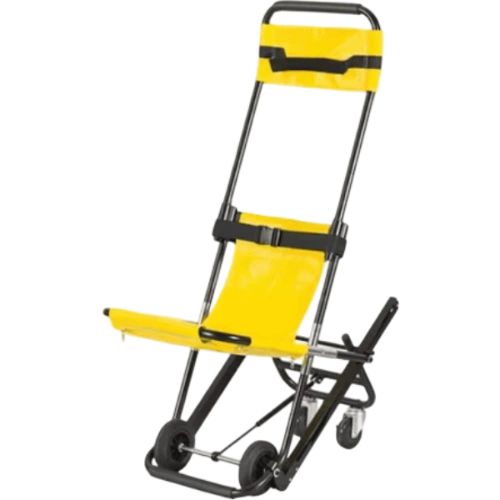
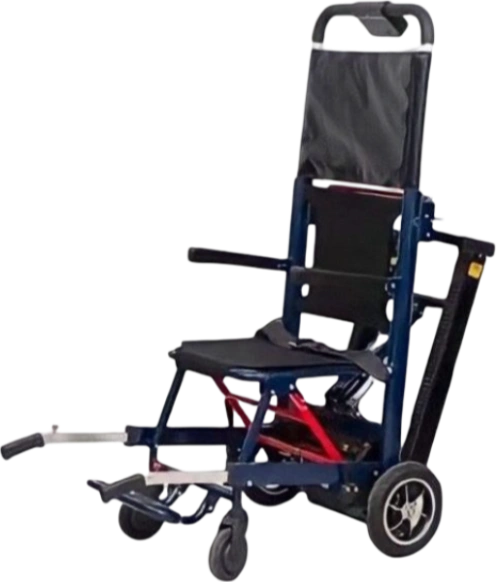
- Stair lift or platform lift. If the home has steps or stairs, a lift can open up the whole house.
Never lift a patient with your own strength alone if you can use proper equipment. Back injuries are common among home caregivers.
Home Care Room Checklist
Use this checklist before your family member comes home.
| Area | Item |
|---|---|
| Room | Ground floor or easy access, close to bathroom |
| Room | Door opening about 80 cm or wider |
| Room | Non-slip floor, no loose rugs |
| Room | Good lighting and night light |
| Bed | Medical bed with height adjustment |
| Bed | Pressure relief mattress |
| Bed | Side rails (only if the nurse agrees) |
| Layout | Open space on both sides of the bed |
| Layout | About 150 cm clear turning space |
| Layout | Call bell or monitor within reach |
| Bathroom | Grab rails fixed to the wall |
| Bathroom | Raised toilet seat or commode chair |
| Bathroom | Shower chair and non-slip surface |
| Mobility | Wheelchair that fits the patient |
| Mobility | Transfer aids and training for the caregiver |
| Safety | Emergency numbers on the wall |
| Safety | Medicines stored safely and clearly labeled |
Should You Buy or Rent Home Care Equipment?
Both options are common in Dubai and across the UAE.
Rent if:
- The need is short-term, such as recovery after surgery
- You are not sure how long you will need the equipment
- You want to test a bed or mattress before buying
Buy if:
- The need is long-term
- The equipment will be used every day for many months
- You want a specific model or feature set
A good supplier will explain both options, deliver and set up the equipment, and show you how to use it safely.
Common Mistakes to Avoid
- Buying before getting medical advice. The doctor or nurse knows what your family member needs.
- Choosing a bed that is too wide or too heavy for the room. Measure the room and the door first.
- Skipping the mattress. A good bed with a poor mattress still leaves the skin at risk.
- Ignoring the caregiver. If the setup hurts your back, the care will not last. Choose equipment that makes your job safer too.
- Waiting too long to prepare. Try to set up the room before the patient comes home.
Frequently Asked Questions
What equipment does a bedridden patient need at home?
Most bedridden patients need a medical bed, a pressure relief mattress, a bedside table, a call system and a commode chair or bedpan. Some also need a wheelchair, transfer aids and a patient hoist. A doctor or nurse can confirm the exact list.
Is an electric medical bed better than a manual bed?
For daily long-term care, an electric bed is usually easier. The remote control lets the patient or caregiver adjust the height and positions without effort. A manual bed can work for short-term use or a smaller budget.
How do you prevent bedsores at home?
Use a pressure relief mattress, change the patient’s position regularly as advised by the care team, keep the skin clean and dry, and check pressure areas every day. Report any red or broken skin to a doctor early.
Can I rent a hospital bed in Dubai?
Yes. Many suppliers in Dubai rent medical beds and mattresses for short or long periods. Ask about delivery, setup, maintenance and the minimum rental period.
How much space do I need for a medical bed?
Plan for the bed itself plus open space on at least one side for care. If a wheelchair will be used in the room, keep about 150 cm of clear turning space. Always measure the room and the door before you order.
Final Thoughts
A safe home care room does not need to be complicated. Start with the right room, then add the right bed, mattress, bathroom aids and mobility equipment. Work with your doctor or nurse, and choose a supplier who can guide you.
Gilani Mobility helps families across the UAE with medical beds, mattresses, wheelchairs, bathroom aids and mobility equipment, for both rent and sale. Contact our team for free advice on setting up your home care room.
Need help choosing the right equipment? Message us on WhatsApp or call our team today.