
Mobility challenges affect millions of people across the globe. For individuals who cannot walk or have difficulty moving independently, a wheelchair provides essential support for daily life.
Wheelchairs allow people to move freely, participate in society, work, study, and maintain independence. Without access to mobility aids, many individuals with disabilities may face serious limitations in education, employment, and social participation.
So the important question is:
How many wheelchair users are there in the world today?
In this article, we explore global wheelchair statistics, the number of people who need mobility support, and why accessibility solutions are essential for creating inclusive communities.
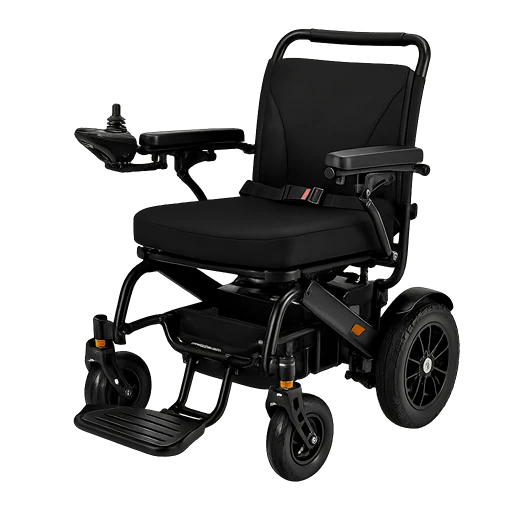
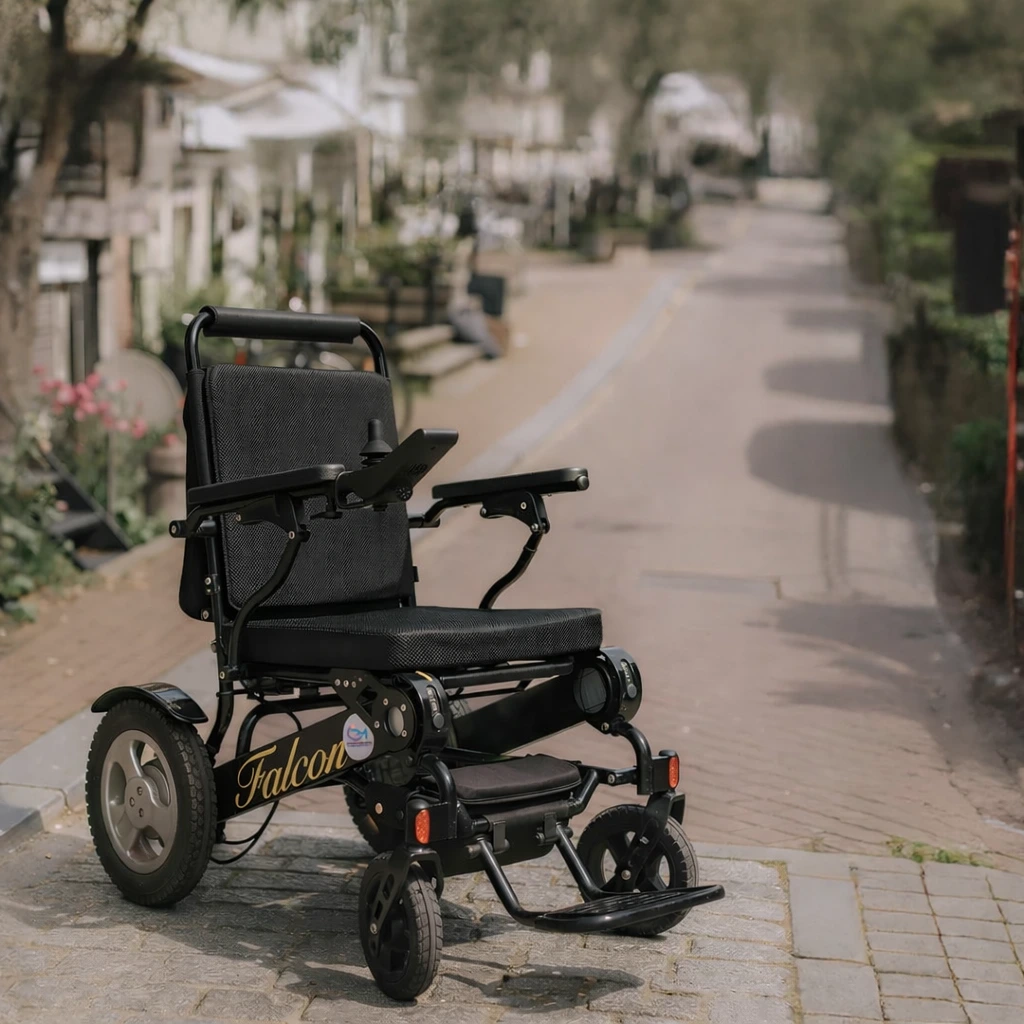
If you or someone you care for needs a wheelchair, our range of wheelchairs is available to browse online or in person at our Dubai showroom, with UAE-wide delivery included.
Global Disability Statistics
According to the World Health Organization, more than 1 billion people worldwide live with some form of disability.
This represents approximately 15% of the global population.
Disabilities can result from various causes, including:
-
congenital conditions
-
injuries or accidents
-
neurological disorders
-
chronic diseases
-
age-related mobility decline
Many individuals with mobility impairments rely on assistive devices such as wheelchairs to maintain independence and quality of life.
How Many Wheelchair Users Are There Globally?
Research from the World Health Organization estimates that more than 65 million people worldwide require a wheelchair for mobility.
However, access to wheelchairs remains limited in many parts of the world.
Experts estimate that only 5%–15% of people who need wheelchairs actually have access to one, particularly in low-income countries.
This means tens of millions of people still lack the mobility equipment they need for daily life.
Key Global Wheelchair Statistics
Here are some important facts about wheelchair usage and disability worldwide:
• Around 65 million people globally require wheelchairs
• Nearly 1 billion people live with some form of disability
• Approximately 80% of people with disabilities live in developing countries
• Around 2% of the global population may require mobility devices such as wheelchairs
• Many people with disabilities face limited access to healthcare and mobility equipment
In some developing countries, studies suggest that up to 90% of people who require mobility aids do not have access to them.
This highlights the importance of improving mobility access and accessibility infrastructure worldwide.
Why Wheelchairs Are Essential for Independence
Wheelchairs are more than just mobility devices – they play a crucial role in enabling independence and social inclusion.
Access to a wheelchair allows individuals to:
• move safely and independently
• access education and workplaces
• participate in social activities
• maintain physical and mental well-being
Without mobility support, people with disabilities often face significant barriers to participating fully in society.
The Growing Demand for Mobility Solutions
The number of wheelchair users worldwide is expected to increase in the coming decades.
Several factors contribute to this growth:
Aging Population
As global populations age, more people develop mobility challenges related to aging, arthritis, and reduced physical strength.
Chronic Diseases
Health conditions such as:
-
stroke
-
diabetes
-
cardiovascular disease
-
neurological disorders
can lead to mobility limitations requiring assistive devices.
Road Traffic Injuries
Injuries from accidents remain a major cause of disability worldwide.
As a result, the demand for wheelchairs and mobility equipment continues to rise globally.
Accessibility and People of Determination in the UAE
In the United Arab Emirates, individuals with disabilities are respectfully referred to as People of Determination.
The UAE government has introduced numerous initiatives to support accessibility and inclusion.
These efforts focus on:
-
accessible infrastructure
-
inclusive education
-
accessible transportation
-
mobility support services
Dubai in particular has made significant progress in improving accessibility across public spaces, transportation systems, and tourism facilities.
- Mobility solutions such as:
- electric wheelchair
- wheelchair ramps
- wheelchair car
play an important role in supporting accessibility and independence for People of Determination.
Improving Mobility Access Worldwide
Despite growing awareness, millions of people still lack access to essential mobility equipment.
Improving accessibility requires collaboration between:
-
healthcare providers
-
governments
-
accessibility organizations
-
mobility equipment suppliers
Providing access to wheelchairs can dramatically improve quality of life, education opportunities, and employment access for people with disabilities.
Mobility Support in Dubai
For residents and visitors in Dubai who require mobility assistance, professional mobility providers help ensure safe and comfortable access to equipment.
Companies like Gilani Mobility provide accessibility solutions including:
✔ Electric wheelchairs
✔ Mobility scooter rentals
✔ Wheelchair rentals
✔ Accessible vehicle transport
✔ Mobility equipment delivery across Dubai
These services support People of Determination, elderly individuals, and travelers who require temporary mobility assistance.
Conclusion
Wheelchairs are an essential mobility aid for millions of people worldwide. While an estimated 65 million people rely on wheelchairs globally, many more still lack access to the equipment they need.
As populations age and mobility challenges increase, improving access to mobility solutions will become even more important.
By promoting accessibility, supporting People of Determination, and expanding mobility support services, societies can create more inclusive environments where everyone has the opportunity to live independently and participate fully in daily life.