


Pediatric Wheelchairs for sale - Children in Dubai & UAE
Finding the right pediatric wheelchair involves more than choosing a smaller version of an adult wheelchair. Important factors can include seat width and depth, posture, foot position, the child’s ability to self-propel, caregiver assistance, transport needs and future growth.
Gilani Mobility offers children’s wheelchairs in Dubai and across the UAE, including lightweight and foldable pediatric wheelchairs, reclining and supportive models, transport wheelchairs and specialist seating options for different mobility requirements. Compare available models by size, support, portability and intended everyday use.
Browse the available pediatric wheelchair models below, or contact our mobility team if you need help comparing dimensions, support features and practical use.
Need to compare pediatric wheelchairs with other mobility options? Explore all wheelchair types , including manual, electric, bariatric and specialist models.
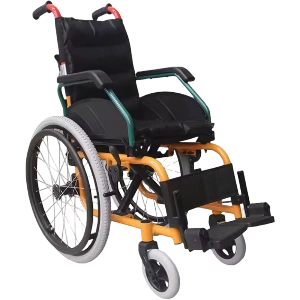
14 results

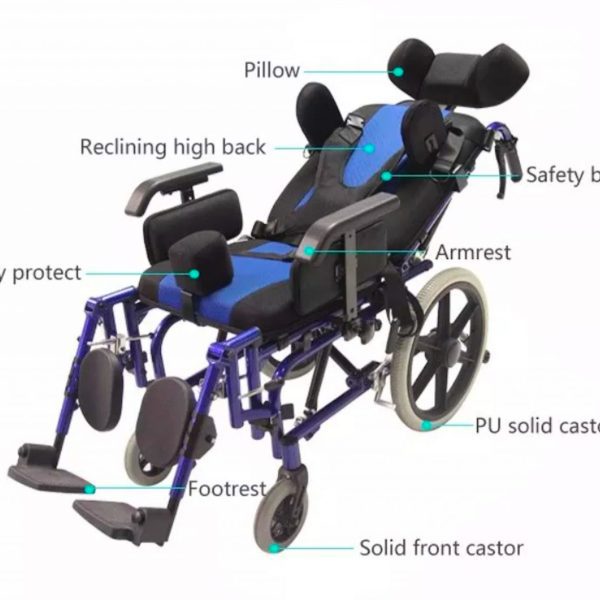
د.إ2,704.00 Original price was: د.إ2,704.00.د.إ2,299.00Current price is: د.إ2,299.00. excl. VAT

د.إ2,699.00 Original price was: د.إ2,699.00.د.إ2,199.00Current price is: د.إ2,199.00. excl. VAT

د.إ25,161.00 excl. VAT
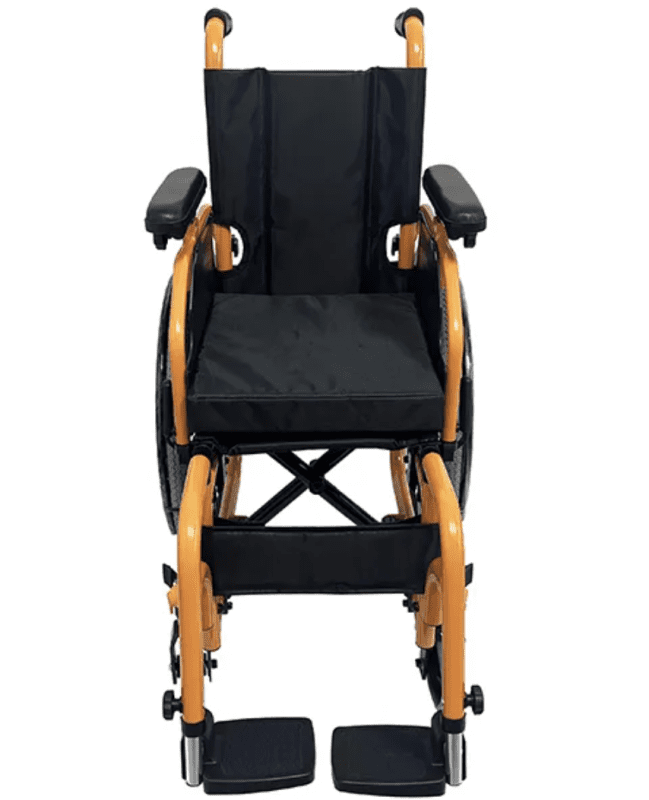
د.إ3,350.00 excl. VAT

د.إ4,990.00 excl. VAT
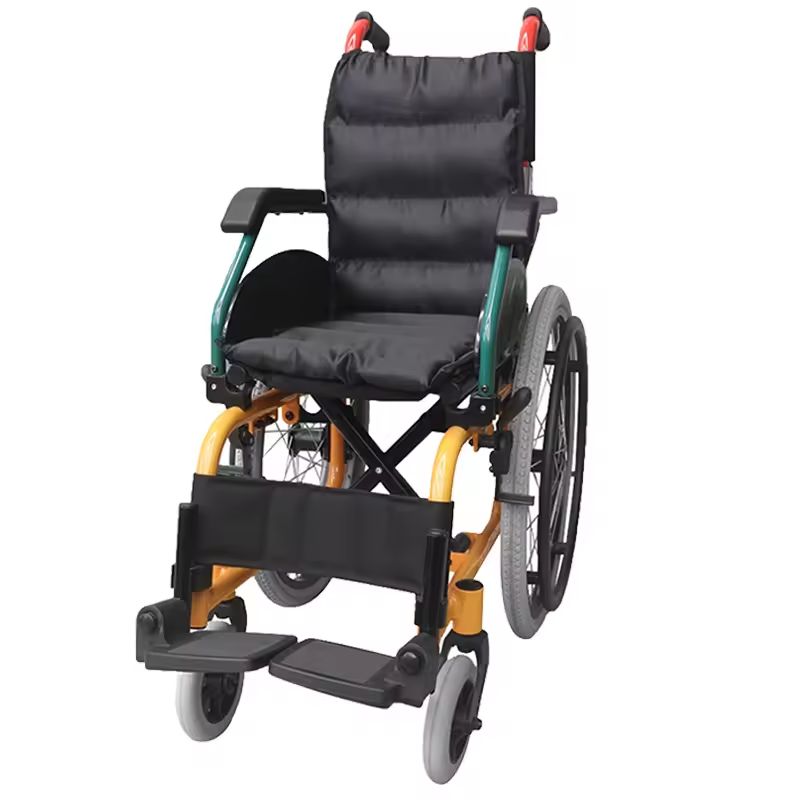
د.إ3,249.00 Original price was: د.إ3,249.00.د.إ1,699.00Current price is: د.إ1,699.00. excl. VAT
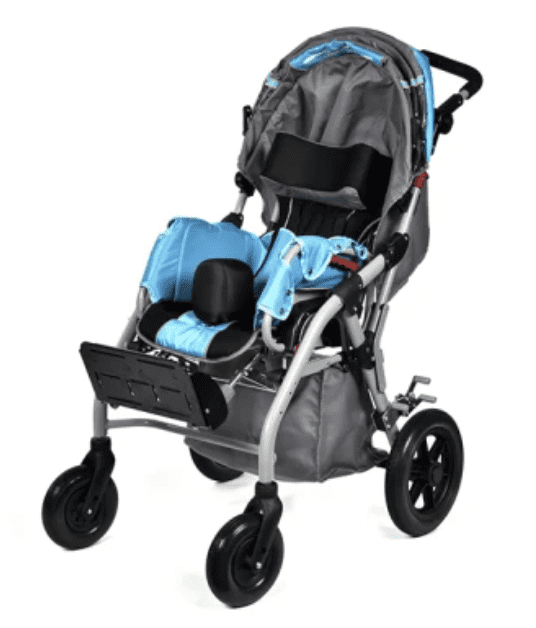
د.إ5,289.00 Original price was: د.إ5,289.00.د.إ4,299.00Current price is: د.إ4,299.00. excl. VAT

د.إ2,799.00 Original price was: د.إ2,799.00.د.إ2,299.00Current price is: د.إ2,299.00. excl. VAT
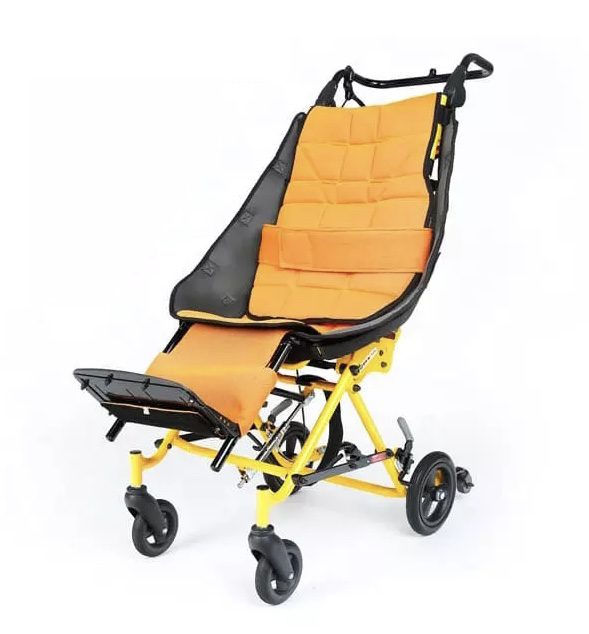
د.إ2,799.00 excl. VAT
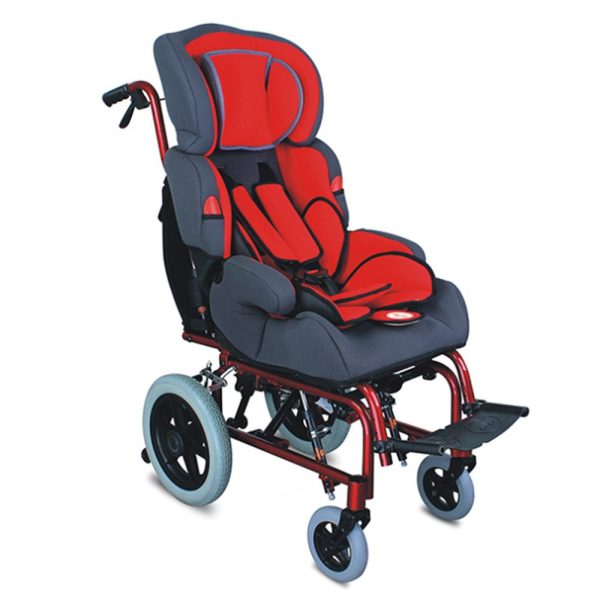
د.إ2,199.00 excl. VAT

د.إ25,000.00 excl. VAT

د.إ10,704.00 excl. VAT
Fast Delivery
Quick doorstep delivery
Secure Payment
Safe checkout
Warranty
Product Protection
Sales Support
Help when you need it

Choosing a Pediatric Wheelchair: Start With the Child, Not the Chair
There is no single pediatric wheelchair that is right for every child.
A lightweight folding model may work well for school, family outings and travel, while another child may require more advanced positioning, reclining support or an adaptive seating system.
Families who want to understand measurements before comparing models can read our guide to choosing a pediatric wheelchair that grows with your child, where we explain seat width, seat depth, lower-leg length, postural support and growth adjustment in more detail.
Quick Answer
The right pediatric wheelchair should fit the child now, support safe and comfortable sitting, match how the wheelchair will be used and allow appropriate adjustment where growth is expected.
A wheelchair should not simply be purchased several sizes too large with the expectation that the child will eventually “grow into it.” Excess space around the body, incorrect seat depth or poor foot positioning can make sitting and wheelchair control more difficult.
For children with complex postural, neurological or clinical requirements, wheelchair selection and seating should also involve the child’s occupational therapist, physiotherapist or other appropriate healthcare professional.
Reviewed by Gilani Mobility’s Mobility & Accessibility Team
This pediatric wheelchair guide has been reviewed by Ahmed from Gilani Mobility’s mobility team for practical wheelchair-selection considerations, including sizing, everyday use, caregiver requirements and product suitability.
Technical mobility and accessibility guidance has also been reviewed by Ray Gilani, Founder & CEO of Gilani Mobility and a Mechanical & Automotive Engineer with experience across mobility equipment, assistive technology and accessibility solutions.
Our recommendations are based on practical mobility-equipment experience and the types of questions families and caregivers raise when comparing wheelchairs at our Dubai showroom.
For children with complex postural, neurological or clinical seating requirements, Gilani Mobility recommends involving the child’s occupational therapist, physiotherapist or appropriate healthcare professional in the final wheelchair and seating decision.
Which Type of Pediatric Wheelchair Does Your Child Need?
| Type | Often considered for | Important things to compare |
|---|---|---|
| Lightweight pediatric wheelchair | School, family outings, regular transport and everyday mobility | Chair weight, folded size, seat dimensions and ease of lifting |
| Self-propelled pediatric wheelchair | Children able to use the rear push rims independently | Rear-wheel position, reach, seat fit and maneuverability |
| Attendant-propelled / transport wheelchair | Children primarily pushed by a parent or caregiver | Push handles, brakes, portability and caregiver ergonomics |
| Reclining pediatric wheelchair | Children who may benefit from adjustable backrest positioning | Back support, head support, leg support and recline range |
| Tilt-in-space / positioning wheelchair | More complex seating and postural-support requirements | Pelvic positioning, lateral support, headrest, harness and specialist assessment |
| Adaptive stroller / special-needs pushchair | Younger children or families prioritising caregiver-controlled mobility and compact transport | Folding system, seating support, harness and transport dimensions |
| Growth-adjustable wheelchair | Children expected to require the same mobility system for a longer period | Adjustable seat width, seat depth, backrest and lower-leg support |
What We Would Check Before Choosing a Child’s Wheelchair
1. Seat Width
Seat width should give the child enough space to sit comfortably without leaving excessive sideways movement.
Choosing an oversized wheelchair simply to accommodate future growth can affect positioning and make self-propulsion harder.
Measure the child’s seated hip width and compare it with the manufacturer’s recommended wheelchair dimensions.
2. Seat Depth
Seat depth affects how the thighs are supported.
A seat that is too deep may place pressure behind the knees or encourage the child to slide forward. A seat that is too shallow may provide insufficient thigh support.
This measurement becomes particularly important when comparing wheelchairs designed to adjust as a child grows.
3. Foot and Lower-Leg Position
Feet should not simply hang unsupported from the chair.
Look at the available footrest height, footplate position and lower-leg adjustment. Some pediatric wheelchairs also provide elevating or removable leg rests depending on the model.
Correct lower-body support can make a major difference to how comfortably a child sits in the wheelchair.
4. Posture and Upper-Body Support
Not every child needs specialist postural seating.
For some children, a conventional pediatric wheelchair with appropriate dimensions may provide sufficient support. Others may require features such as:
- adjustable back support
- head support
- lateral trunk supports
- pelvic positioning
- safety harnesses
- reclining seating
- tilt-in-space positioning
Depending on the individual wheelchair and seating requirements, additional wheelchair cushions and seating support may also be considered to help with comfort and positioning.
Where significant positioning support is required, the chair should be selected together with an appropriate healthcare professional rather than relying only on online measurements.
5. Who Will Move the Wheelchair?
This is one of the most important questions families sometimes overlook.
Will the child self-propel?
Will a parent, teacher or caregiver push most of the time?
Will both happen?
A wheelchair intended primarily for self-propulsion may need a different wheel configuration from a compact transport chair designed mainly for caregiver use.
The person pushing the wheelchair should also consider handle height, braking, overall chair weight and how easily the wheelchair turns in everyday spaces.
Don’t Choose Only for Today – But Don’t Oversize for Tomorrow
Children grow quickly, so adjustability can be valuable.
Some pediatric wheelchairs allow changes to seat depth, seat width, backrest position, footrest height or other components as the child grows.
However, growth adjustment and simply buying an oversized wheelchair are not the same thing.
A well-designed growth-adjustable wheelchair should provide an appropriate fit now while allowing selected dimensions to be changed later.
When comparing models, ask exactly which dimensions can be adjusted and by how much rather than accepting a general claim that a chair “grows with your child.”
Pediatric Wheelchairs for Everyday Life in the UAE
A wheelchair that looks suitable on a specification sheet also needs to work in the child’s real environment.
For families in Dubai and across the UAE, practical questions can include:
Home: Will the wheelchair move comfortably through the rooms and doorways where it will be used?
School: Can the child manoeuvre around desks, corridors and activity areas?
Car: Can the wheelchair be folded or dismantled sufficiently for the family’s vehicle?
Malls and public spaces: Is it easy enough for the child or caregiver to manoeuvre for longer outings?
Travel: What are its folded dimensions and transport weight? If travelling by air, always confirm the individual airline’s current mobility-equipment requirements before departure.
Outdoor use: Consider wheel type, stability and the surfaces the child regularly encounters rather than assuming every small wheelchair performs equally outdoors.
These practical details are often just as important as maximum user weight.
Lightweight vs Supportive Pediatric Wheelchairs
Parents sometimes start their search with:
“What is the lightest children’s wheelchair?”
Weight matters, especially if a caregiver must regularly lift the wheelchair into a car.
But the lightest wheelchair is not automatically the most suitable wheelchair.
A very lightweight chair may prioritise portability, whereas a more supportive positioning wheelchair may require additional frame components, seating systems, headrests or tilt mechanisms.
The better question is:
What is the lightest wheelchair that still provides the support and functionality this child actually needs?
That is a more useful way to compare pediatric mobility equipment.
Children who need a relatively simple mobility solution may also benefit from comparing our manual wheelchairs, while children who require additional positioning should be assessed according to their individual seating needs.
Pediatric Wheelchairs for Children With Cerebral Palsy and Complex Seating Needs
Some families search specifically for a cerebral palsy wheelchair for children.
The diagnosis alone does not determine which wheelchair should be purchased.
Children with cerebral palsy can have very different mobility, muscle tone, posture, head control, trunk control and daily support requirements. One child may use a relatively simple manual wheelchair while another may require specialised seating and positioning.
For this reason, specialist features such as tilt, recline, headrests, lateral supports or harness systems should be considered according to the individual child’s needs and professional guidance.
Gilani Mobility carries different pediatric wheelchair configurations, allowing families to compare available seating and mobility options rather than treating all children’s wheelchairs as the same product.
When Should You Choose a Pediatric Wheelchair Instead of an Adult Wheelchair?
A children’s wheelchair is not simply an adult wheelchair with a lower maximum weight.
Pediatric chairs can provide dimensions and adjustments better suited to a smaller body, including narrower seats, shorter seat depths, lower-leg positioning and child-appropriate support.
Using an adult chair that is substantially too large can make propulsion, positioning and everyday movement more difficult.
The child’s actual measurements should therefore take priority over an age label such as “child,” “junior” or “teen.”
Try the Wheelchair Before Making the Final Decision
When possible, comparing the wheelchair in person can answer questions that specifications cannot.
Consider whether the child can sit comfortably, whether their feet are supported, whether they can reach the push rims if self-propelling and whether the caregiver can comfortably push, brake, fold and lift the chair.
Gilani Mobility’s Al Garhoud showroom in Dubai provides customers with access to mobility products and product guidance. Availability of individual pediatric wheelchair models for demonstration should be confirmed before visiting.
For more specialised requirements, bring the child’s measurements and any seating recommendations provided by their occupational therapist, physiotherapist or medical team.
Why Buy a Pediatric Wheelchair From Gilani Mobility?
Gilani Mobility is a Dubai-based mobility and accessibility specialist serving families, caregivers and organisations across the UAE.
Customers choosing a children’s wheelchair can access product guidance, selected wheelchair demonstrations, UAE delivery support, applicable product warranty and ongoing after-sales assistance.
Gilani Mobility also has an Umm Ramool service and technical facility supporting the company’s wider mobility and accessibility services.
Our approach is simple:
Choose the wheelchair around the child and their everyday life – not around a product description alone.
Pediatric Wheelchair Delivery Across the UAE
Gilani Mobility supports mobility-equipment customers across Dubai and the UAE, including Abu Dhabi, Sharjah, Ajman, Ras Al Khaimah, Fujairah and Umm Al Quwain.
Product availability, delivery times and charges can vary according to the wheelchair, stock status and delivery location.
Contact our team before ordering if you need to confirm a particular size or wheelchair configuration.
Not sure which chair size or configuration to choose? Contact Gilani Mobility for pediatric wheelchair guidance or visit our Dubai mobility showroom to discuss available models and demonstration options.
Frequently Asked Questions About Pediatric Wheelchairs
What is a pediatric wheelchair?
A pediatric wheelchair is a mobility chair designed around the smaller body dimensions and mobility requirements of children and young people. Depending on the model, it may include child-sized seating, adjustable footrests, supportive seating, self-propulsion wheels or caregiver push handles.
What is the difference between a pediatric wheelchair and an adult wheelchair?
The main difference is not simply weight capacity. Pediatric wheelchairs generally offer smaller seating dimensions and child-appropriate positioning or adjustment options. Some are also designed to accommodate growth.
How do I know what size wheelchair my child needs?
Start with measurements including seated hip width, thigh length and lower-leg length, then compare these with the manufacturer’s seat dimensions and adjustment range. Complex seating requirements should be assessed with an appropriate healthcare professional.
Should I buy a larger wheelchair so my child can grow into it?
Not necessarily. A wheelchair that is too large now may provide poor support or be harder for the child to control. A better solution can be a correctly fitted wheelchair with genuine growth-adjustment features.
Are pediatric wheelchairs adjustable as children grow?
Some are. Depending on the model, adjustment may be available for seat width, seat depth, backrest height, footrest position or other seating components. Always check the exact adjustment range of the individual wheelchair.
What is a tilt-in-space pediatric wheelchair?
Tilt-in-space changes the orientation of the seat and back together while maintaining the seated angle. It is normally considered when more advanced positioning or postural support is required. Suitability should be assessed according to the individual child’s needs.
Are pediatric wheelchairs suitable for children with cerebral palsy?
They can be, but there is no single wheelchair specifically suitable for every child with cerebral palsy. The appropriate chair depends on mobility, posture, head and trunk control, seating requirements and professional recommendations.
What is the difference between a pediatric wheelchair and an adaptive stroller?
A pediatric wheelchair may allow independent self-propulsion or provide more wheelchair-specific seating configurations, while an adaptive stroller is generally designed mainly for caregiver-controlled mobility and easy transport. The right choice depends on the child’s mobility and support requirements.
Can I see a pediatric wheelchair before buying?
Selected mobility products can be viewed or demonstrated through Gilani Mobility’s Al Garhoud showroom in Dubai. Contact the team first to confirm that the particular pediatric wheelchair or size you want to compare is currently available.
Do you deliver children’s wheelchairs outside Dubai?
Gilani Mobility supplies mobility equipment across the UAE subject to product and delivery availability. Contact the team to confirm delivery arrangements for your emirate.
Expert Review Box
Mobility Guidance Reviewed by Ahmed
Mobility Specialist, Gilani Mobility
Ahmed reviews the practical wheelchair-selection guidance on this page, including pediatric wheelchair types, sizing considerations, portability, caregiver requirements and everyday use.
Technical Review by Ray Gilani
Founder & CEO, Gilani Mobility
Mechanical & Automotive Engineer
Ray reviews the technical mobility-equipment considerations and accessibility guidance provided on this page.
Important: Pediatric wheelchair selection should be based on the individual child’s mobility, measurements, posture and daily requirements. Information on this page is general product-selection guidance and does not replace assessment or medical advice from a qualified healthcare professional.