
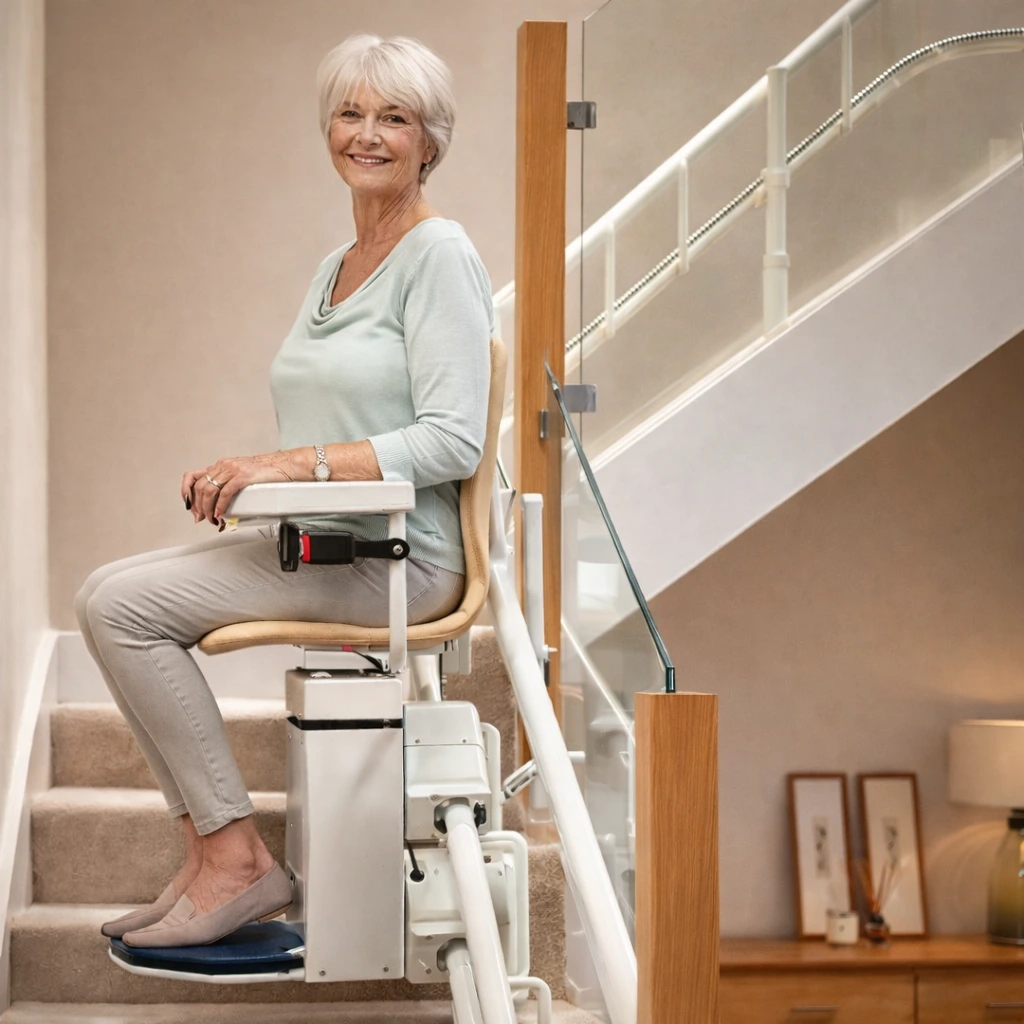
For many seniors and individuals with mobility challenges, stairs can become one of the biggest obstacles at home. A stair lift provides a safe and reliable mobility solution that allows users to move between floors independently.
Modern stair lifts are designed with advanced safety features and durable components, but proper installation, regular maintenance, and correct usage are essential to ensure maximum safety.
In this guide, we explain the most important stair lift safety guidelines, helping users and caregivers maintain a safe and reliable home mobility system.
Why Stair Lift Safety Is Important
A stair lift is a mechanical mobility device that transports users up and down stairs on a motorized chair attached to a rail system. When installed and used properly, it can significantly reduce the risk of falls and injuries.
However, like other home mobility solutions, stair lifts require proper care and responsible usage to ensure they function safely.
Following the correct safety practices helps:
- Prevent mechanical issues
- Ensure user stability during operation
- Extend the lifespan of the stair lift
- Maintain reliable performance
For households with elderly family members or people using wheelchairs or other mobility equipment, stair lift safety becomes even more important.
1. Professional Stair Lift Installation
One of the most critical safety steps is ensuring the stair lift is installed by trained professionals.
Improper installation can lead to alignment issues, track instability, or electrical faults that may affect the performance of the device.
Professional installers understand:
- Staircase layouts
- Load capacity requirements
- Electrical connections
- Safety system calibration
Working with mobility specialists such as Gilani Mobility ensures that the stair lift is installed correctly and safely according to manufacturer standards.
Professional installation also ensures compatibility with other home accessibility equipment such as grab rails and mobility aids.
2. Regular Maintenance and Inspection
Routine maintenance plays a vital role in maintaining stair lift safety.
Regular inspections help identify potential issues before they become serious mechanical problems.
Important maintenance tasks include:
- Lubricating moving components
- Checking bolts and screws
- Cleaning the rail track
- Inspecting electrical components
- Testing safety sensors
Following the manufacturer’s maintenance schedule helps keep the stair lift operating smoothly.
You can also read our guide on Chairlift vs Stairlift: Which is Right for Your Home? to better understand different mobility lift options.
3. Proper User Training
Even though stair lifts are designed to be simple and user-friendly, understanding how to operate them correctly is essential for safety.
Users should be familiar with the control system and basic operating functions.
Important things users should know include:
Operating the Controls
Users should understand how to start, stop, and park the stair lift using the control panel or remote.
Emergency Procedures
In case of power outages, users should know how to activate the backup battery system or manually operate the lift if necessary.
Weight Limits
Every stair lift has a maximum weight capacity. Exceeding this limit can damage the device and compromise safety.
Training ensures that users can operate the lift confidently and safely.
4. Understanding Stair Lift Safety Features
Modern stair lifts come with built-in safety technologies designed to protect users during operation.
Obstruction Sensors
Infrared sensors detect obstacles on the staircase. If something blocks the track, the stair lift automatically stops to prevent collisions.
Seatbelt and Restraints
Seatbelts or harness systems secure the user during movement and prevent accidental slips.
Swivel Seats
Many stair lifts include swivel seats that allow users to safely enter and exit the chair at the top of the staircase.
Battery Backup Systems
Most modern stair lifts include battery backups so the device can continue operating during power outages.
These features work together to provide a safer mobility experience.
5. Safe Usage Practices
Safe usage habits also play an important role in preventing accidents.
Users should follow these guidelines when using a stair lift.
Avoid Distractions
Focus only on operating the stair lift and avoid using mobile phones or other distractions.
Keep Hands and Feet Inside
Hands and feet should remain within the designated areas during operation to avoid injury.
Sit Properly
Users should sit fully back in the seat with their feet placed securely on the footrest.
Do Not Overload the Lift
Always follow the weight capacity specified by the manufacturer.
Following these practices ensures a safe and comfortable ride every time.
Home Mobility Solutions for Safer Living
Stair lifts are only one part of creating a fully accessible home.
Many households also benefit from additional mobility solutions such as:
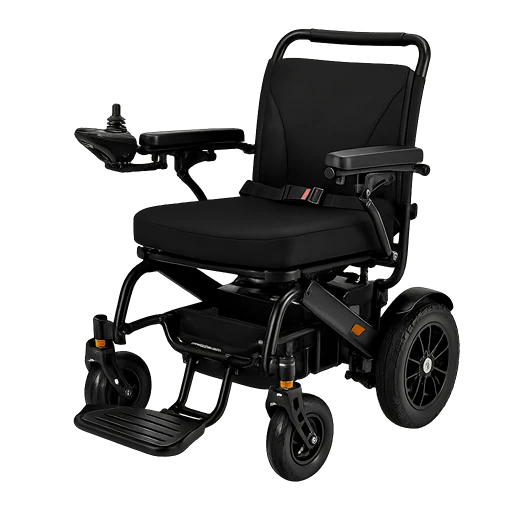
- Electric wheelchairs
- Manual wheelchairs
- Grab rails and hand rails
- Home accessibility modifications
- Mobility scooters
Combining these accessibility products helps create a safer and more independent living environment.
Why Choose Gilani Mobility
At Gilani Mobility, we specialize in providing professional mobility solutions across the UAE.
Our services include:
- Stair lift installation
- Home accessibility upgrades
- Mobility equipment consultation
- Wheelchair and assistive device solutions
We help families create safer homes for seniors and individuals with mobility challenges.
Final Thoughts
Stair lifts provide an effective solution for people who struggle with stairs at home. However, ensuring proper installation, regular maintenance, and responsible usage is essential for maintaining stair lift safety.
By following these guidelines, users can enjoy the independence and convenience of stair lifts while minimizing risks.
A well-maintained stair lift allows individuals to move freely within their homes while maintaining comfort and safety.