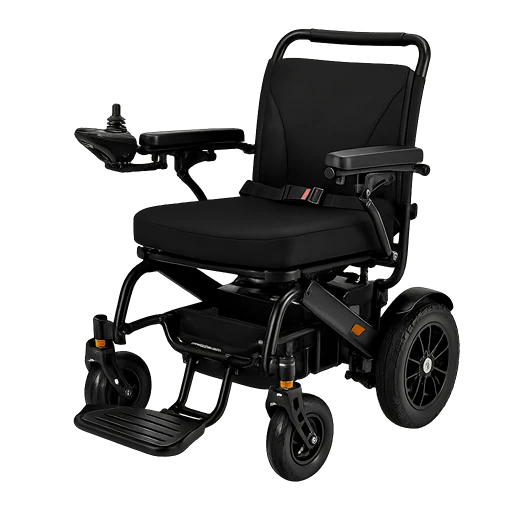


Choosing a wheelchair accessible vehicle provider in the UAE is not simply about finding a car or van with wheelchair access. The vehicle, wheelchair, passenger position, access system, family requirements and everyday journeys all need to work together.
A wheelchair user travelling between home, work, school and hospital appointments in Dubai may require a very different vehicle configuration from someone regularly travelling between Dubai and Abu Dhabi. A powered wheelchair may also require different entry clearance, occupied height, weight capacity and internal space compared with a compact manual wheelchair.
That is why choosing the best wheelchair car provider in the UAE should begin with an individual assessment rather than simply comparing vehicle models or conversion prices.
If you are already ready to explore vehicle options, see Gilani Mobility’s
wheelchair accessible vehicles for sale in Dubai and the UAE
.
Quick Answer: How Do You Choose a Wheelchair Accessible Vehicle Provider in UAE?
A good wheelchair accessible vehicle provider should assess the wheelchair user, wheelchair dimensions, proposed vehicle, passenger position, access method and normal travel requirements before recommending a final conversion.
Before choosing a provider, ask these eight questions:
- Wheelchair assessment: Has the wheelchair’s overall width, length, occupied height and weight been checked?
- Vehicle compatibility: Has the provider assessed or previously worked with the vehicle model being recommended?
- Wheelchair access: Will a ramp, powered lift, lowered floor, transfer system or ramp-free configuration suit the user’s everyday environment?
- Passenger positioning: Where will the wheelchair user travel, and how much passenger seating remains after conversion?
- Securement: What wheelchair securement and occupant-restraint arrangement is proposed?
- Vehicle requirements: What inspection, documentation or registration requirements may apply to the particular modification?
- Warranty: What parts of the installed accessibility equipment and conversion are covered?
- After-sales service: Who will inspect, maintain or repair the accessibility system after delivery?
These answers tell you much more about a wheelchair vehicle provider than marketing claims such as “premium conversion” or “best wheelchair vehicle”.
What Does a Wheelchair Accessible Vehicle Provider Do?
A specialist wheelchair accessible vehicle provider helps match a wheelchair user with an appropriate vehicle, access system and passenger configuration.
Depending on the individual requirements, solutions may include:
- Wheelchair accessible car and MPV conversions
- Rear-entry or side-entry wheelchair ramps
- Powered wheelchair platform lifts
- Lowered-floor vehicle conversions
- Ramp-free access systems
- Wheelchair securement and passenger-restraint systems
- Swivel and transfer seats
- Adaptive driving equipment
- Hand controls and driver-access solutions
Some wheelchair users who drive may require additional
adaptive driving and vehicle modification solutions
alongside wheelchair access.
How to Evaluate a Wheelchair Accessible Vehicle Provider
| What to Check | What the Provider Should Be Able to Explain |
|---|---|
| Wheelchair assessment | Wheelchair width, length, occupied height, weight and manoeuvring requirements. |
| Vehicle compatibility | Why the proposed vehicle and conversion are suitable for the individual user. |
| Previous projects | Real examples, photographs or demonstrations of similar accessibility work. |
| Access systems | The advantages and limitations of ramps, lifts, lowered floors, transfer seats and other solutions. |
| Passenger configuration | Where the wheelchair passenger will travel and how many passenger seats remain. |
| Wheelchair securement | How the wheelchair and passenger will be positioned and restrained. |
| Documentation | What inspection, documentation or registration steps may apply to the specific modification. |
| Warranty | What equipment and workmanship are covered and for how long. |
| Servicing | Where the installed equipment can be inspected, maintained and repaired. |
| After-sales support | Who supports the customer after vehicle delivery. |
1. The Provider Should Assess the Wheelchair Before Recommending a Vehicle
The wheelchair should be one of the first things assessed before choosing the base vehicle.
Important measurements can include:
- Wheelchair overall width
- Wheelchair overall length
- Occupied wheelchair height with the user seated normally
- Combined wheelchair and user weight
- Turning and manoeuvring requirements
- Preferred travelling position inside the vehicle
This is particularly important for powered wheelchairs, larger mobility devices and users who plan to remain seated in their wheelchair during travel.
Instead of accepting a general statement such as “this vehicle fits most wheelchairs”, ask the provider to explain the usable entry dimensions and internal space of the actual configuration being proposed.
2. Ask About Experience With the Vehicle Being Converted
Vehicle floor height, body structure, doors, internal dimensions and passenger seating vary considerably between different models.
Ask whether the provider has completed the same or a similar conversion before and whether you can see:
- Photographs of completed work
- Video demonstrations
- A demonstration vehicle where available
- Examples of wheelchair positioning
- Examples of the finished interior
Gilani Mobility’s
wheelchair accessible vehicle and accessibility projects
show examples of completed vehicle modification and mobility work.
3. The Provider Should Offer the Right Access System — Not Simply One Product
There is no single wheelchair-access system that is suitable for every wheelchair user.
Wheelchair Ramp
A wheelchair ramp can provide practical access for many wheelchair-accessible cars and vans. However, the provider should consider the amount of space needed behind or beside the vehicle when the ramp is deployed.
This may matter in underground parking, villa driveways, hospital parking, shopping centres, apartment buildings and other restricted parking environments.
Powered Wheelchair Lift
A powered wheelchair lift raises and lowers the wheelchair between ground level and the vehicle floor.
The provider should assess the platform dimensions, wheelchair dimensions, combined user and wheelchair weight, available installation space and the intended vehicle.
Lowered-Floor or Ramp-Free Access
A lowered-floor configuration can reduce the height required for wheelchair entry.
Gilani Mobility’s
G24 NoRamp® wheelchair accessible vehicle conversion
uses a different access approach from a conventional extended external wheelchair ramp.
The appropriate solution should be selected after considering the wheelchair user, wheelchair, vehicle configuration and places where the vehicle will normally be used.
Swivel or Transfer Seats
For some wheelchair users who can transfer into a conventional vehicle seat, a swivel or transfer-seat solution may be more appropriate than a complete passenger wheelchair-accessible vehicle conversion.
4. Ask Where the Wheelchair Passenger Will Sit
Getting a wheelchair into the vehicle is only one part of an accessible vehicle design.
The provider should also explain:
- Where the wheelchair will be positioned
- How the wheelchair will be secured
- How occupant restraint will operate
- How much passenger seating remains
- Whether caregiver access is practical
- How the passenger enters and exits the vehicle
These details should be considered before the vehicle configuration is finalised.
5. Confirm Applicable Vehicle Inspection and Documentation Requirements
Vehicle-modification requirements can vary depending on the type of work, vehicle and registration circumstances.
Rather than assuming every accessibility modification follows exactly the same process, ask the provider what inspection, documentation or registration requirements may apply to the proposed vehicle.
For vehicles registered in Dubai, customers can also refer to the official
Roads and Transport Authority (RTA)
for current vehicle-related information and services.
For vehicles registered in Abu Dhabi, Sharjah or another Emirate, the requirements applicable to the particular vehicle and modification should also be confirmed before proceeding.
6. Warranty, Repairs and After-Sales Support Matter
A wheelchair accessible vehicle can include mechanical, electrical and specialist accessibility equipment in addition to the original vehicle systems.
Before choosing a provider, ask who will maintain or repair:
- Powered wheelchair lifts
- Automatic doors and tailgates
- Wheelchair access mechanisms
- Transfer seats
- Securement hardware
- Electrical accessibility equipment
- Adaptive driving controls
Local technical support can make future servicing easier than purchasing a conversion without accessible after-sales assistance in the UAE.
Review Gilani Mobility’s
warranty and after-sales support information
when comparing accessibility solutions.
Red Flags When Choosing a Wheelchair Vehicle Conversion Company
Be cautious if a provider:
- Recommends a vehicle without first assessing the wheelchair.
- Claims that one vehicle or conversion suits every wheelchair user.
- Cannot provide usable entry or internal dimensions.
- Cannot explain where the wheelchair passenger will travel.
- Cannot explain how much passenger seating remains.
- Cannot explain the proposed wheelchair securement arrangement.
- Cannot show real examples of previous accessibility work.
- Provides no clear warranty information.
- Has no clear repair or after-sales process.
- Cannot explain how installed equipment will be maintained.
- Focuses primarily on price without first defining the required configuration.
A wheelchair-accessible vehicle should be designed around the actual user’s requirements, not around whichever vehicle or conversion is easiest to sell.
Should a Provider Recommend the Vehicle Before Measuring the Wheelchair?
Usually, the user’s wheelchair and mobility requirements should be assessed before the final base vehicle is selected.
A vehicle may appear spacious externally but still provide insufficient usable clearance once the accessible floor, seating layout and entry system are installed.
Important information should therefore include:
- Occupied wheelchair height
- Wheelchair width and length
- Wheelchair and user weight
- Desired wheelchair position
- Required passenger seating
- Caregiver requirements
- Typical parking environment
- Normal journey type
The provider can then assess which vehicle platforms and access systems are worth considering.
Does the Provider Work With Different Vehicle Platforms?
An experienced wheelchair-accessible vehicle provider should be able to assess different vehicle platforms instead of assuming one model suits every customer.
Depending on the user’s wheelchair dimensions, seating requirements and preferred access system, MPVs such as the Hyundai Staria, Kia Carnival and Honda Odyssey may be among the vehicles considered for wheelchair accessibility.
However, this page is about choosing the provider, not ranking vehicle models.
For a detailed vehicle-to-vehicle comparison, read Gilani Mobility’s
2026 wheelchair accessible vehicle comparison guide for the UAE and GCC
.
Can the Provider Explain the Pros and Limitations of Each Access System?
A good provider should not describe every access technology as suitable for every user.
They should be able to explain:
- When a conventional wheelchair ramp may work well
- How much ramp-deployment space may be required
- When a powered platform lift may be more suitable
- How a lowered-floor configuration changes vehicle access
- When a transfer or swivel seat may be sufficient
- Which systems are compatible with the proposed vehicle
- What maintenance the accessibility equipment may require
The right answer should depend on the user and vehicle—not simply on which product the provider wants to sell.
Buy, Convert or Rent: What Should the Provider Help You Decide?
Buy a Wheelchair Accessible Vehicle
Buying an accessible vehicle can make sense when wheelchair access is required regularly and the vehicle will be used as a long-term mobility solution.
Explore Gilani Mobility’s
wheelchair accessible vehicles for sale in the UAE
if you are researching a dedicated accessible vehicle.
Convert a Vehicle You Already Own
If you already own a suitable vehicle, a conversion may be possible depending on the make, model, available space, wheelchair and required accessibility system.
See Gilani Mobility’s
vehicle modification and adaptive driving solutions
for related accessibility options.
Rent a Wheelchair Accessible Vehicle
Customers who need a vehicle temporarily may prefer rental rather than purchasing or converting a vehicle.
See the
G24 wheelchair accessible vehicle rental in Dubai
for short-term accessible vehicle options.
Book Accessible Transport With a Driver
If you only need individual journeys such as airport transfers, medical appointments, hotel transport or family trips, a chauffeur-driven accessible transport service may be more practical.
See Gilani Mobility’s
wheelchair taxi and accessible transportation service in Dubai
.
What Evidence Should a Wheelchair Accessible Vehicle Provider Show?
Real Completed Projects
Ask to see actual examples of completed accessibility work rather than relying only on illustrations, renders or manufacturer photographs.
Gilani Mobility publishes examples through its
vehicle modification and accessibility projects
.
Video Demonstrations
Video demonstrations can help customers understand how a wheelchair-access system operates in real conditions. When evaluating a wheelchair accessible vehicle provider, look for demonstrations showing the actual entry system, internal layout and accessibility equipment rather than relying only on promotional images.
The video above shows an example of Gilani Mobility’s G24 NoRamp® wheelchair accessible vehicle system in operation. It can help prospective customers understand how the access system works and how a wheelchair user enters the vehicle.
A video demonstration should support, not replace, an individual assessment. The final vehicle and conversion should still be selected around the wheelchair dimensions, occupied height, passenger position and intended use.
For more examples, visit the
Gilani Mobility wheelchair accessible vehicle video guides and product demonstrations
.
Physical Workshop or Service Capability
For complex accessibility work, ask where the installation will take place and who will provide future technical support.
Gilani Mobility operates an Al Garhoud showroom for mobility and accessibility discussions and an Umm Ramool Factory & Service Centre supporting vehicle conversions, installations, repairs and technical accessibility work.
Engineering and Technical Expertise
Customers should be able to understand who is responsible for assessing and supporting complex vehicle-accessibility work.
Gilani Mobility’s vehicle-accessibility work is supported by founder
Ray Gilani
,
a Mechanical and Automotive Engineer whose work includes wheelchair-accessible vehicles, adaptive driving and vehicle modification solutions.
Real Customer and Community Experiences
Customer experiences should not replace an individual technical assessment, but they can help prospective buyers understand questions other wheelchair users, families and caregivers have faced.
See the
Gilani Mobility Community and accessibility stories
for real mobility experiences, videos and customer stories.
12 Questions to Ask a Wheelchair Car Provider Before You Buy
- Have you measured my wheelchair and occupied wheelchair height?
- Why are you recommending this particular vehicle?
- Have you previously completed this vehicle or a similar conversion?
- Can I see a real completed example or demonstration?
- Where will the wheelchair passenger travel inside the vehicle?
- What usable entrance height and width will be available?
- How much passenger seating remains after conversion?
- How will the wheelchair be secured?
- How will the occupant-restraint system operate?
- What inspection, documentation or registration requirements may apply?
- What warranty covers the accessibility equipment and conversion?
- Who will service or repair the accessibility system after delivery?
A provider that can answer these questions clearly gives you far more useful information than one that focuses only on the advertised vehicle or conversion price.
Why Consider Gilani Mobility as a Wheelchair Accessible Vehicle Provider?
Gilani Mobility combines wheelchair-accessible vehicles, vehicle modifications, adaptive driving solutions, mobility equipment and technical after-sales support within its wider accessibility services.
Individual Vehicle Assessment
Vehicle-access requirements can be considered around the wheelchair, passenger configuration, access system and intended use before the final configuration is selected.
Multiple Wheelchair Access Solutions
Available accessibility options include wheelchair ramps, powered lifts, vehicle conversions, transfer solutions, adaptive driving equipment and the
G24 NoRamp® system
.
Showroom and Technical Service Centre
Customers can discuss mobility and accessibility requirements at the Al Garhoud showroom, while the Umm Ramool Factory & Service Centre supports vehicle conversion and technical accessibility work.
Engineering-Led Accessibility Experience
Learn more about founder
Ray Gilani and his mechanical and automotive engineering background
.
Warranty and After-Sales Support
Customers can review the
Gilani Mobility warranty policy and after-sales support
before deciding on a vehicle or accessibility solution.
Real Projects and Demonstrations
Before making a decision, customers can review
completed accessibility projects
and
video demonstrations
to better understand available solutions.
Frequently Asked Questions About Wheelchair Accessible Vehicle Providers
How do I choose a wheelchair accessible vehicle provider in the UAE?
Choose a provider that assesses the wheelchair and user before recommending a vehicle, explains the access system and passenger configuration clearly, can show real previous work and provides transparent information about warranty, maintenance and local after-sales support.
What should a WAV provider measure before recommending a vehicle?
Important measurements include wheelchair width, overall length, occupied wheelchair height and combined user and wheelchair weight. Passenger seating, wheelchair position and normal travel requirements should also be discussed.
Should the wheelchair be assessed before choosing the vehicle?
Yes. The user’s actual wheelchair dimensions and preferred passenger position can materially affect which vehicle and accessibility configuration are practical.
Can every vehicle be converted for wheelchair access?
No. Compatibility depends on the vehicle structure, dimensions, floor arrangement, doors, wheelchair, passenger configuration and type of accessibility system required. The proposed vehicle should be assessed before the final conversion is selected.
Should I ask to see completed wheelchair vehicle conversions?
Yes. Real photographs, videos and completed projects can help demonstrate whether a provider has practical experience with the type of accessibility work you are considering.
Why is local after-sales support important?
Wheelchair access systems can include specialist mechanical and electrical components. Local technical support can make inspection, servicing and repairs easier after delivery.
Should I choose the base vehicle or access system first?
The wheelchair user and their requirements should come first. Once wheelchair dimensions, passenger position, seating capacity, parking environment and travel needs are understood, the provider can assess suitable vehicles and access systems.
Where can I compare Kia Carnival, Hyundai Staria and Honda Odyssey wheelchair vehicles?
See Gilani Mobility’s
wheelchair accessible vehicle comparison guide
for a separate comparison of these vehicle platforms.
Where can I find wheelchair accessible vehicles for sale in the UAE?
Explore Gilani Mobility’s main
wheelchair accessible vehicle range for Dubai and the UAE
for buying and conversion options.
Can I rent a wheelchair accessible vehicle instead?
Yes. Rental can be appropriate for temporary requirements, visitors or customers who are not ready to purchase a vehicle.
See the
G24 wheelchair accessible vehicle rental
for current rental information.
What if I need transport with a driver?
For airport transfers, hospital appointments and other individual journeys, see Gilani Mobility’s
wheelchair taxi and accessible transportation service
.
Technical Review & Accessibility Expertise
This guide is intended to help wheelchair users, People of Determination, families, caregivers and organisations understand what to evaluate when choosing a wheelchair-accessible vehicle provider.
Technical review:
Ray Gilani
,
Founder of Gilani Mobility and Mechanical & Automotive Engineer.
Vehicle-accessibility decisions should ultimately be based on the specific wheelchair, user, vehicle, passenger requirements and proposed conversion.
Last updated: September 2026
Book a Wheelchair Accessible Vehicle Assessment in Dubai
The right accessible vehicle should be selected around the person who will actually use it.
Before deciding on a Hyundai Staria, Kia Carnival, Honda Odyssey or another vehicle, discuss the wheelchair dimensions, occupied height, preferred passenger position, everyday journeys, parking environment, passenger capacity and any additional transfer or adaptive-driving requirements.
Gilani Mobility can help customers explore:
-
Wheelchair accessible vehicles for sale
-
G24 NoRamp® conversions
-
Vehicle accessibility and adaptive driving solutions
-
Wheelchair accessible vehicle rental
Ready to Discuss Your Wheelchair Vehicle Requirements?
Book a Wheelchair Vehicle Assessment
Explore Wheelchair Accessible Vehicles in the UAE
Compare Wheelchair Accessible Vehicle Options
Call Gilani Mobility:
+971 4 881 8426