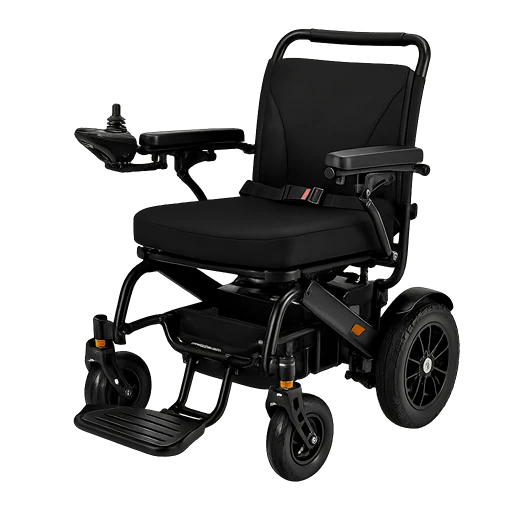




Many medical conditions can affect mobility and lead individuals to rely on wheelchairs for independence and daily movement.
This wheelchair disabilities list highlights some of the most common conditions that impact mobility and may require the use of a wheelchair. Understanding these conditions helps create awareness, encourages accessibility, and supports inclusive communities.
For many People of Determination, wheelchairs provide the freedom to move safely and maintain independence in everyday life.
If you or someone you care for needs a wheelchair, our full range of manual and electric models is available to browse, with UAE-wide delivery and in-showroom fittings in Dubai.
What Disabilities Require a Wheelchair?
A wheelchair may be recommended when walking becomes difficult or unsafe due to injury, neurological conditions, or muscle weakness. Some people use wheelchairs permanently, while others use them temporarily during recovery or rehabilitation.
Below are some of the most common disabilities associated with wheelchair use.
Mobility Impairments
Mobility impairments affect a person’s ability to move freely or control their limbs. These conditions often require assistive devices such as manual wheelchairs or electric wheelchairs.
1. Spinal Cord Injuries
Spinal cord injuries can result from accidents, trauma, or disease and may cause partial or complete paralysis. Individuals with spinal cord injuries often rely on wheelchairs for mobility and independence.
2. Muscular Dystrophy
Muscular dystrophy is a genetic disorder that causes progressive muscle weakness. As the disease advances, mobility can become limited, making wheelchairs an essential mobility aid.
3. Severe Arthritis
Advanced arthritis, particularly in the knees, hips, or spine, can significantly reduce mobility and cause chronic pain. In severe cases, individuals may rely on wheelchairs for longer distances or daily activities.
4. Stroke
A stroke can lead to muscle weakness, paralysis, or loss of coordination. Some stroke survivors require wheelchairs temporarily or permanently depending on their recovery and rehabilitation progress.
Neurological Conditions That May Require Wheelchairs
Neurological disorders affect the brain, spinal cord, and nerves, often impacting muscle control, balance, and movement.
5. Multiple Sclerosis (MS)
Multiple sclerosis is an autoimmune disease that affects the central nervous system. As the disease progresses, individuals may experience balance problems, fatigue, and difficulty walking.
6. Amyotrophic Lateral Sclerosis (ALS)
ALS is a progressive neurodegenerative condition affecting nerve cells responsible for muscle movement. Over time, patients may require wheelchairs to maintain mobility.
7. Parkinson’s Disease
Parkinson’s disease affects movement and coordination. Symptoms such as tremors, stiffness, and balance issues can make walking difficult, leading some individuals to rely on wheelchairs.
8. Cerebral Palsy
Cerebral palsy is a neurological condition that affects muscle tone and coordination. Depending on the severity, individuals may use wheelchairs to improve mobility and independence.
Social and Accessibility Challenges
Living with mobility limitations often involves more than just physical challenges. Many environments are still not designed with accessibility in mind, making everyday activities more difficult.
Barriers such as stairs, narrow walkways, and inaccessible transport can limit participation in social and public life.
However, awareness is growing, and cities around the world are improving accessibility standards to support People of Determination and individuals with mobility challenges.
Supporting Mobility and Independence
Access to the right mobility equipment can significantly improve quality of life.
Mobility aids such as lightweight wheelchairs, electric wheelchairs, and mobility scooters help individuals navigate daily activities more comfortably.
Wheelchair Rental and Mobility Support in Dubai
If you or a family member requires mobility support while traveling or recovering from an injury, renting a wheelchair can be a convenient option.
Gilani Mobility – Trusted Mobility Specialist in Dubai
Gilani Mobility provides professional mobility equipment solutions across the UAE, supporting residents and visitors with high-quality assistive equipment.
Why choose Gilani Mobility?
-
Reliable mobility equipment
-
Flexible short-term and long-term rental options
-
Delivery across Dubai and the UAE
-
Expert support from mobility specialists
📞 Contact Gilani Mobility today to arrange wheelchair rental or mobility equipment support.
Frequently Asked Questions (FAQs)
What is the most common wheelchair disability?
There is no single most common disability requiring wheelchair use, but common causes include spinal cord injuries, arthritis, stroke, and neurological conditions affecting mobility.
What disabilities may require a wheelchair?
Conditions such as spinal cord injuries, muscular dystrophy, cerebral palsy, multiple sclerosis, ALS, and severe arthritis can lead to wheelchair use depending on severity.
Who qualifies for a wheelchair?
Qualification for a wheelchair is usually determined by a healthcare professional after evaluating mobility limitations and medical needs.
What type of patients use wheelchairs?
Wheelchairs are used by individuals with physical disabilities, neurological disorders, injuries, or medical conditions that limit their ability to walk independently.
Conclusion
Wheelchairs play a crucial role in supporting mobility and independence for individuals with a wide range of medical conditions.
By understanding the common disabilities that may require wheelchair use, society can better support accessibility and inclusive environments.
For those who need mobility support in the UAE, Gilani Mobility provides reliable wheelchair and mobility equipment solutions, helping individuals move with comfort and confidence.