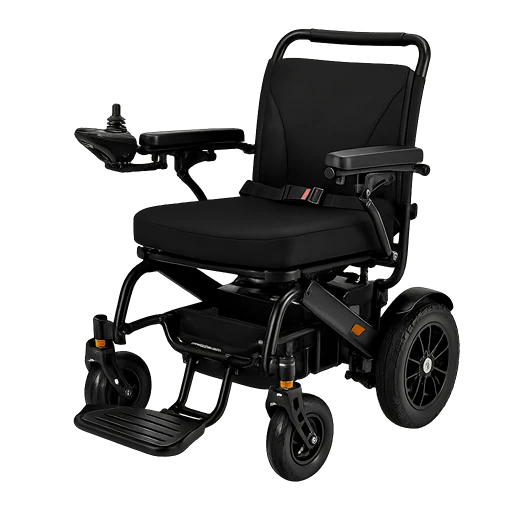


Traveling should be enjoyable and accessible for everyone. For wheelchair users, planning ahead can make a big difference in ensuring a smooth and comfortable journey.
Whether you are using manual wheelchairs or electric wheelchairs, understanding how to travel with your mobility equipment can help you avoid unnecessary stress during flights and airport transfers.
Today, airlines and airports are far more accessible than before. However, knowing the right steps can make traveling with a wheelchair much easier.
In this guide, we share practical tips to help wheelchair users travel safely and confidently.
Tips for Traveling with a Wheelchair by Air
Flying with a wheelchair requires a bit of preparation. Below are some essential tips to help make your trip more comfortable and stress-free.
1. Inform the Airline Before Your Flight
One of the most important steps when traveling with wheelchairs is informing the airline in advance.
Most airlines recommend notifying them 48 to 72 hours before departure. This allows them to make proper arrangements for passengers with mobility needs.
When contacting the airline, you may need to provide:
- Flight confirmation number
- Wheelchair dimensions (height, width, weight)
- Battery type if using an electric wheelchair (dry cell, gel cell, lithium, etc.)
Providing these details ensures that the airline prepares the appropriate storage and assistance services.
Many airlines can also provide additional support, including:
- Airport assistance
- Priority boarding
- Transfer support from wheelchair to aircraft seat
Planning ahead ensures your mobility equipment is handled properly.
2. Pack Essential Wheelchair Accessories
When traveling with mobility equipment, it is important to bring items that may help with quick repairs or adjustments during the trip.
If you are using manual wheelchairs or electric wheelchairs, packing a small emergency kit can be very helpful.
Recommended items include:
- Duct tape
- Zip ties
- Replacement screws
- Wheelchair manual
- Charging cable for electric wheelchairs
- Small tool kit
These items can help you manage minor issues while traveling.
3. Prepare Your Wheelchair for Air Travel
Preparing your wheelchair correctly before boarding helps prevent damage during transport.
For manual wheelchairs, preparation is usually simple. Many models allow you to fold the frame or remove the wheels for storage.
For electric wheelchairs, extra care is required. Power chairs contain batteries and electronic components that must be handled properly according to airline safety guidelines.
Before handing your wheelchair to airport staff, it is recommended to:
- Remove detachable parts such as joysticks
- Fold or secure the frame if possible
- Label fragile components
This reduces the risk of damage during cargo handling.
4. Arrive at the Airport Earlier
Passengers who travel with mobility equipment should arrive earlier than usual.
Recommended arrival times are:
- 3–4 hours before international flights
- 2 hours before domestic flights
Extra time allows airport staff to complete security checks and arrange mobility assistance if needed.
Wheelchair users may require additional screening during airport security checks. Arriving early ensures the process is comfortable and unhurried.
5. Check Your Wheelchair Tags Carefully
Just like luggage, wheelchairs receive destination tags before boarding.
Always check the tag information to ensure that your wheelchair is correctly labeled with your flight destination.
Incorrect labeling can lead to situations where your wheelchair arrives at a different location, which can be extremely inconvenient.
If necessary, ask the airline staff to confirm that the wheelchair tag matches your boarding pass information.
6. Remove Fragile Wheelchair Components
Certain wheelchair components are more delicate and should be removed before boarding.
These may include:
- Joysticks (for electric wheelchairs)
- Side guards
- Cushions
- Footrests
Keeping these items with you during the flight helps protect them from damage.
7. Request Priority Boarding
Many airlines offer priority boarding for passengers requiring mobility assistance.
Boarding early allows wheelchair users to:
- Transfer safely to the aircraft seat
- Store mobility equipment properly
- Avoid crowded boarding lines
You can request this service when contacting the airline before your flight.
8. Inspect Your Wheelchair After Landing
Once your flight arrives, your wheelchair will usually be returned at the aircraft door or baggage claim area.
Before leaving the airport, carefully inspect your wheelchair for any signs of damage.
If you notice any issues:
- Inform airline staff immediately
- File a damage report before exiting the airport
Airlines are typically responsible for repair or replacement if damage occurs during transport.
Choosing the Right Wheelchair for Travel
The type of wheelchair you use can also impact your travel experience.
Manual Wheelchairs
Manual wheelchairs are often easier to transport because they are lighter and foldable. They are commonly accepted for cabin storage or cargo handling.
Electric Wheelchairs
Electric wheelchairs provide greater independence and comfort but require additional preparation due to battery regulations.
When choosing mobility equipment for travel, consider:
- Weight
- Foldability
- Battery type
- Durability
Mobility Solutions for Wheelchair Users in UAE
Accessible travel starts with the right mobility equipment.
At Gilani Mobility, we provide a wide range of mobility solutions including:
- Manual wheelchairs
- Electric wheelchairs
- Mobility scooters
- Accessibility equipment
- Home mobility solutions
Our team helps individuals and families choose the right mobility equipment to support independence and daily comfort.
If you are planning to travel and need the right wheelchair solution, our mobility specialists can help.
📞 Call us for consultation
📱 WhatsApp us for quick support
Final Thoughts
Traveling with a wheelchair is completely possible with proper planning and preparation.
By informing airlines in advance, preparing your wheelchair carefully, and packing essential accessories, you can enjoy a smooth and comfortable travel experience.
Modern accessibility improvements continue to make travel easier for wheelchair users around the world.
With the right preparation and reliable mobility equipment, you can travel confidently and independently.