


A ramp over stairs is one of the most effective ways to improve accessibility in homes, public buildings, and commercial spaces. Instead of forcing people to navigate steps, a properly designed ramp allows smooth and safe movement for wheelchair users, seniors, and People of Determination.
Across cities like Dubai, accessibility is becoming a priority in both residential and commercial design. Whether the goal is to help someone enter a home safely or to improve accessibility in a business facility, installing a ramp over stairs can make a significant difference.
This guide explains how to build a ramp over stairs step by step while following safety and accessibility guidelines.
Why Install a Ramp Over Stairs?
Stairs create barriers for many individuals with mobility limitations. A ramp provides a gradual incline that allows users to move safely without climbing steps.
Installing a ramp over stairs can benefit:
- Wheelchair users
- Elderly individuals
- People recovering from injuries
- Parents using strollers
- Individuals carrying heavy items
For many families and businesses, adding a ramp ensures independence and dignity for People of Determination while also improving general accessibility.
Step 1: Understand Local Accessibility Regulations
Before starting construction, it is important to understand local building guidelines.
In Dubai, accessibility standards typically recommend:
- Minimum ramp width: 1.5 meters
- Maximum slope ratio: 1:12
- Landing areas for ramps longer than 9 meters
- No obstruction at ramp entry or exit points
Following these standards ensures the ramp is safe and usable for wheelchair users and other mobility devices.
Step 2: Measure the Stairs Carefully
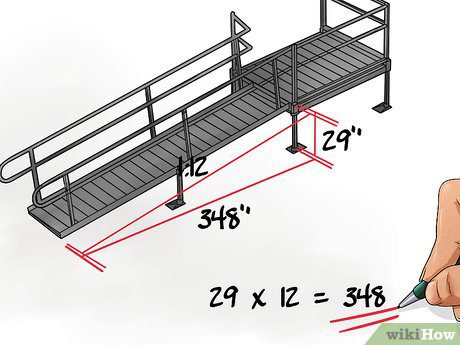
Accurate measurements are critical when building a ramp over stairs.
You should measure:
- Total height of the stairs
- Total horizontal length available
- Width of the staircase
- Surrounding space for the ramp structure
These measurements determine the ramp length required to maintain the proper slope ratio.
A ramp that is too steep becomes dangerous and difficult to use.
Step 3: Choose the Right Ramp Material
Several materials can be used to build a ramp over stairs.
Common options include:
Wooden ramps
- Affordable
- Easy to install
- Suitable for temporary or residential use
Metal ramps
- Durable and strong
- Common in commercial buildings
- Resistant to weather
Concrete ramps
- Permanent solution
- Highly durable
- Common in public infrastructure
For DIY projects, wood is usually the easiest material to work with because it is affordable and easier to cut and assemble.
Step 4: Cut the Ramp Boards
Once the design is finalized, begin cutting the boards needed for the ramp surface.
Measure each wooden board based on the ramp length and width. After cutting the boards:
- Smooth the edges with sandpaper
- Ensure boards are evenly sized
- Check alignment before installation
This step ensures the ramp surface will be stable and safe.
Step 5: Build the Ramp Frame
The ramp frame provides the structural support for the entire installation.
To build the frame:
- Place support beams along the staircase.
- Ensure beams run parallel to the ramp direction.
- Maintain equal spacing between structural supports.
- Secure the frame firmly so it cannot shift.
A properly built frame distributes weight evenly and prevents the ramp from bending or collapsing.
Step 6: Attach the Ramp Surface
Once the frame is secure, attach the ramp boards on top.
Use screws or bolts to secure the boards to the frame. Ensure:
- Equal spacing between boards
- Firm attachment to the structure
- A smooth walking surface
The ramp must support wheelchairs, mobility scooters, and other mobility devices safely.
Step 7: Check the Ramp Slope
The slope of the ramp is one of the most important safety factors.
Accessibility guidelines recommend a 1:12 ratio, meaning:
1 inch of height requires 12 inches of ramp length.
For example:
- 30 cm stair height requires about 360 cm ramp length
This gradual incline allows wheelchair users and People of Determination to navigate the ramp safely.
Step 8: Install Safety Rails
Handrails greatly improve safety.
Rails should:
- Be installed on both sides
- Sit around waist height
- Provide strong support
- Extend along the full ramp length
These rails help prevent falls and assist individuals who require extra balance while walking.
Temporary Ramp Over Stairs
In some situations, a permanent ramp may not be necessary. A temporary ramp can provide a practical short-term solution.
Temporary ramps can be built using:
- Aluminum ramps
- Modular ramp kits
- Wooden platforms
These ramps are commonly used for:
- Short-term rehabilitation
- Temporary accessibility needs
- Rental properties
- Events and exhibitions
Non-slip surfaces should always be installed to improve safety.
Why Accessibility Matters
Accessibility is not just a design decision. It reflects a commitment to inclusive environments.
Installing ramps allows:
- Safer movement
- Greater independence
- Improved building accessibility
- Compliance with modern accessibility standards
Cities like Dubai continue to promote infrastructure that supports People of Determination, making accessibility an important consideration in both homes and businesses.
Final Thoughts
Building a ramp over stairs can transform an inaccessible space into one that welcomes everyone.
While the installation process requires careful planning, following proper measurements, slope guidelines, and safety standards ensures the ramp is both functional and safe.
Whether you are creating a temporary ramp or installing a permanent accessibility solution, the goal remains the same — improving mobility, safety, and independence for everyone.
Accessibility improvements like ramps help create environments where People of Determination can move freely and confidently.