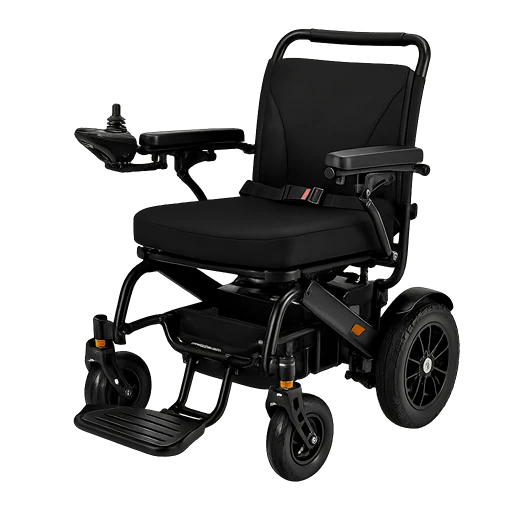

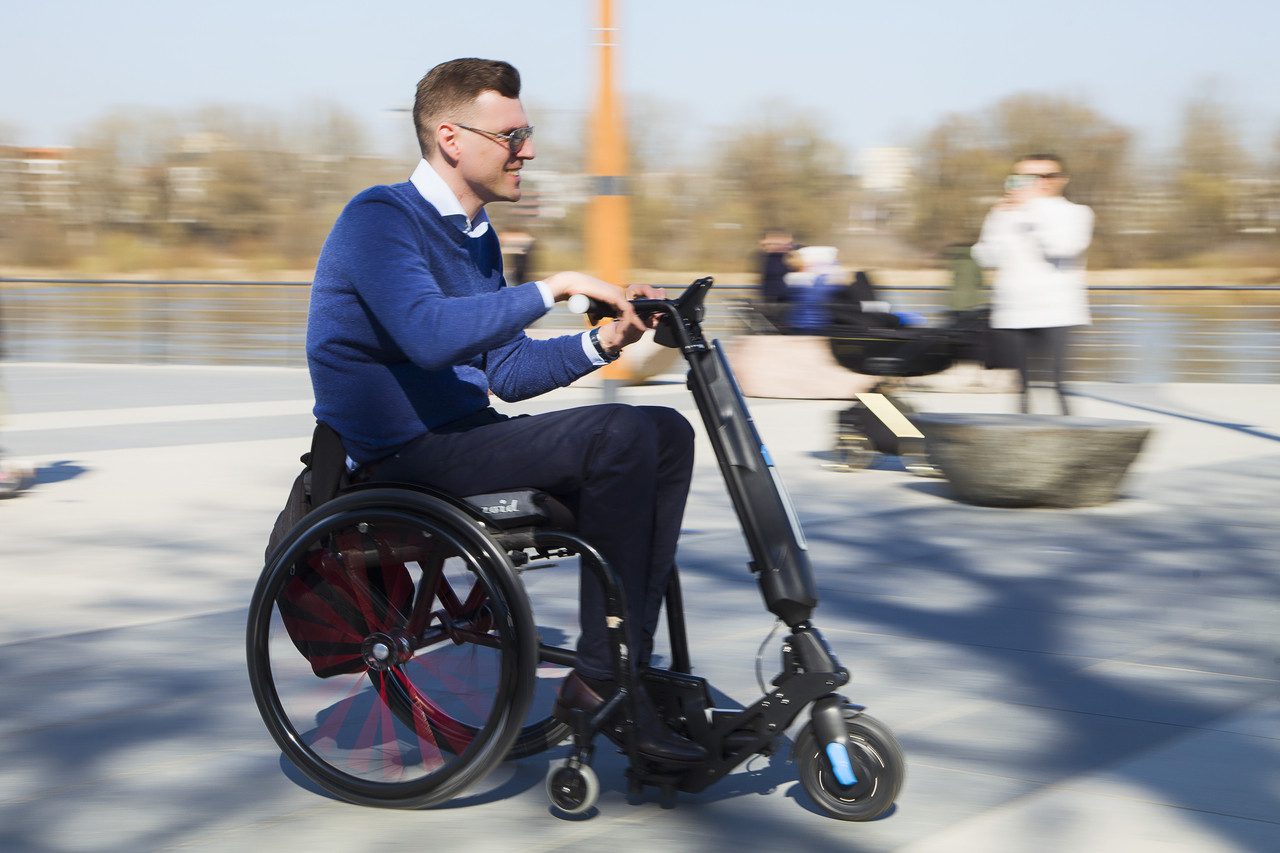
If you want to motorize a manual wheelchair, you can transform a traditional wheelchair into a powered mobility solution that requires far less physical effort. Many caregivers, seniors, and People of Determination choose this option to reduce fatigue and travel longer distances more comfortably.
Instead of constantly pushing the wheels manually, motorization allows the wheelchair to move using an electric motor or powered attachment. This guide explains how to motorize a manual wheelchair, the pros and cons, and the key differences between manual and electric wheelchairs.
Manual vs Motorized Wheelchair: What’s the Difference?
Wheelchairs have supported mobility for decades. However, modern technology has introduced motorized systems that significantly improve mobility and comfort.
Below are the main differences between manual and motorized wheelchairs.
Propulsion
Manual Wheelchairs
- Require upper body strength
- User must push the wheels manually
Motorized Wheelchairs
- Powered by electric motors
- Minimal physical effort required
Mobility and Range
Manual Wheelchairs
- Best for short distances
- Mostly used indoors
Motorized Wheelchairs
- Travel longer distances
- Better for outdoor environments
Maneuverability
Manual Wheelchairs
- Smaller turning radius
- Easier in tight indoor spaces
Motorized Wheelchairs
- Slightly larger turning space required
- Better stability outdoors
Features and Controls
Manual Wheelchairs
- Simple design
- Minimal components
Motorized Wheelchairs
- Advanced controls
- Adjustable seating
- Recline and tilt functions
Suitability
Manual wheelchairs work well for people with sufficient upper body strength.
Motorized wheelchairs are ideal for seniors and People of Determination who need assistance for longer mobility or daily travel.
Cost and Maintenance
Manual wheelchairs are generally affordable and easier to maintain.
Motorized wheelchairs cost more due to motors, batteries, and electronic components.
If you want additional propulsion support without replacing your wheelchair entirely, you can explore accessories such as Wheelchair Handcycle systems.
How to Motorize a Manual Wheelchair at Home
Many users prefer to motorize a manual wheelchair using a motorized conversion kit. These kits attach to existing wheelchairs and provide powered assistance.
Motorizing your wheelchair offers several advantages:
- Reduced physical strain
- Increased travel distance
- Easier outdoor mobility
- Greater independence
Although professional installation is recommended, some people install motorization kits at home.
Tools Needed to Motorize a Manual Wheelchair
Before starting the installation, prepare the following tools and equipment.
Motorization Kit
Choose a conversion kit compatible with your wheelchair model.
Basic Hand Tools
- Screwdrivers
- Wrenches
- Pliers
Safety Equipment
- Safety gloves
- Protective glasses
Using proper tools ensures a smoother and safer installation process.
Preparing Your Wheelchair for Motorization
Before installing the motor kit, inspect the wheelchair carefully.
Clean the Frame
Remove dust or debris from the wheelchair frame and components.
Inspect Structural Integrity
Check for cracks, bent parts, or damaged components.
A damaged frame may not safely support motorization.
Remove the Rear Wheels
Carefully remove the existing rear wheels following manufacturer instructions.
Store the wheels safely in case you want to revert back to manual use.
Installing the Motorization Kit
Every kit is slightly different, but the general process is similar.
Step 1: Install Motor Mounts
Attach the motor brackets to the wheelchair frame.
Ensure they are aligned and secured properly.
Step 2: Attach the Motors
Mount the electric motors onto the brackets and connect them to the motor controller.
Step 3: Connect the Battery
Attach the battery to the control system following the wiring instructions.
Secure all electrical connections carefully.
Step 4: Install the Control Panel
Mount the control panel or joystick in a location that is easy for the user to reach.
Step 5: Test the System
Before installing the new wheels, turn on the control system and check whether the motors respond correctly.
Step 6: Install Motorized Wheels
Attach the powered wheels and ensure they are aligned correctly with the frame.
Once installed, test the wheelchair in a safe environment.
Safety Tips When You Motorize a Manual Wheelchair
Motorization adds electrical components, so safety precautions are important.
Handle the Battery Carefully
Always disconnect the battery when performing maintenance.
Ensure Proper Grounding
Proper grounding prevents electrical hazards.
Perform Regular Maintenance
Check wiring, motors, and battery condition regularly.
Routine maintenance keeps the wheelchair reliable and safe.
If installation feels complicated, a mobility specialist can help ensure proper setup.
Pros and Cons of Motorizing a Manual Wheelchair
Advantages
- Reduced physical strain
- Faster travel speed
- Less fatigue during long distances
- Increased independence
Disadvantages
- Higher maintenance requirements
- Increased weight
- May require charging and battery management
For individuals needing temporary powered mobility, services like Wheelchair Rental Dubai can provide convenient alternatives.
When Should You Motorize a Manual Wheelchair?
Motorization is ideal for users who:
- Travel long distances daily
- Experience shoulder or arm fatigue
- Need additional mobility assistance
- Are seniors or People of Determination seeking greater independence
However, if mobility needs are permanent or more complex, switching to a full electric wheelchair may be a better option.
You can explore options such as Electric Wheelchair Price in UAE to compare available models.
Final Summary
Choosing to motorize a manual wheelchair can significantly improve mobility, comfort, and independence.
While DIY motorization is possible, it requires careful planning, proper tools, and attention to safety.
For many users, motorization offers the perfect balance between manual wheelchair flexibility and powered mobility assistance.
With the right setup, caregivers, seniors, and People of Determination can enjoy greater freedom of movement and a more comfortable daily experience.