
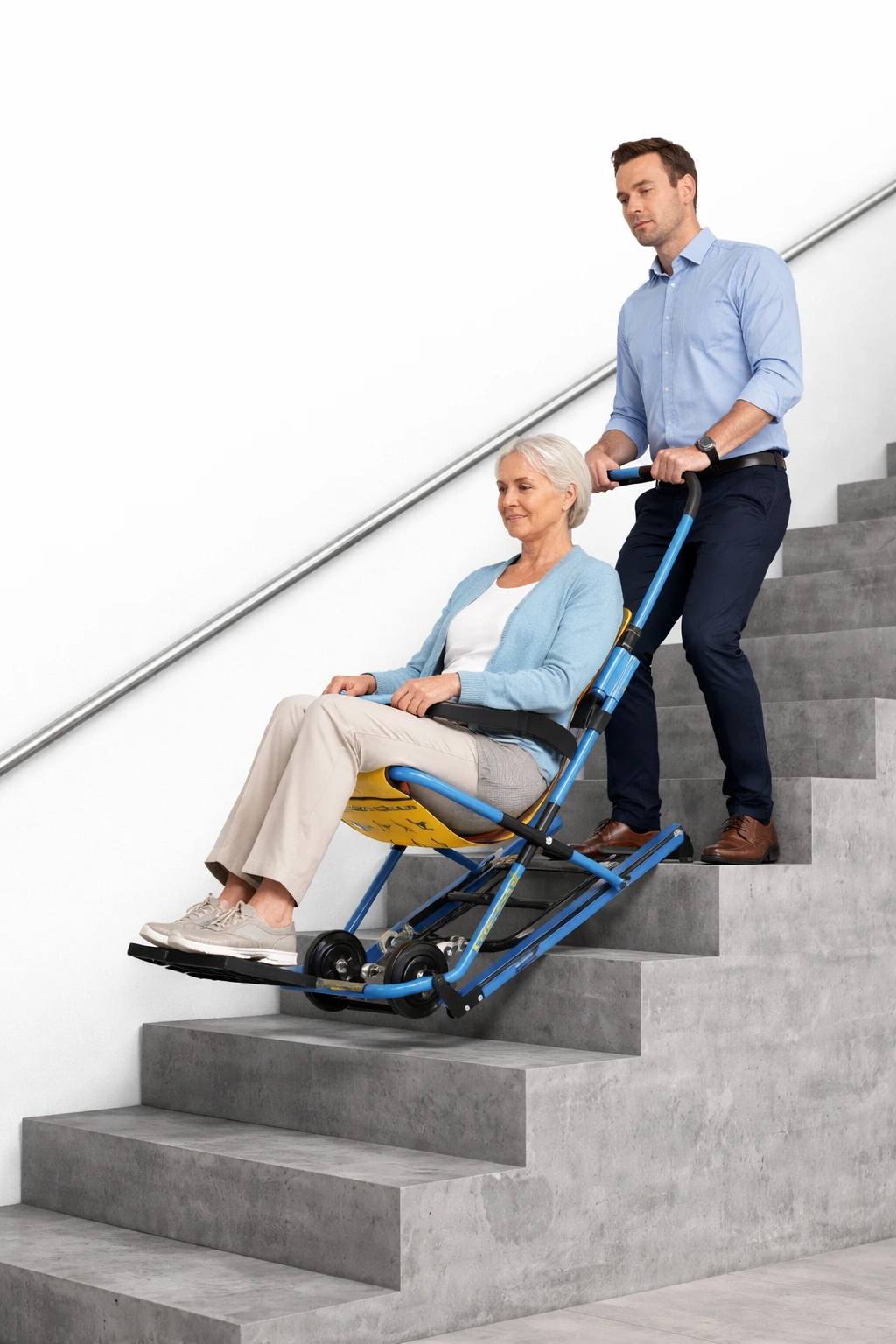
Emergencies can occur without warning – fires, earthquakes, medical incidents, or building evacuations. For people with limited mobility, these situations present additional challenges. Without proper planning and equipment, individuals with disabilities or mobility limitations may struggle to exit buildings safely.
That is why evacuation mobility solutions are essential for modern buildings, hospitals, schools, offices, and public facilities.
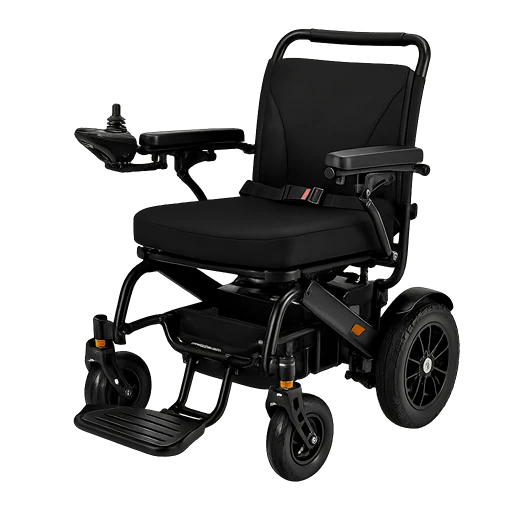
These solutions ensure that everyone can evacuate safely, including individuals who rely on wheelchairs, manual wheelchairs, or electric wheelchairs.
Implementing the right evacuation equipment not only helps save lives but also demonstrates a strong commitment to accessibility, safety, and inclusive emergency preparedness.
Why Evacuation Mobility Solutions Are Critical
During an emergency evacuation, elevators may shut down and staircases may be the only exit route. For individuals with limited mobility, this creates serious risks.
People who may struggle to evacuate include:
- Individuals with physical disabilities
- Elderly people with reduced strength or balance
- Pregnant women
- People recovering from surgery or injury
- Anyone with temporary mobility limitations
Without proper evacuation tools, these individuals may be unable to leave the building quickly and safely.
Evacuation mobility equipment bridges this gap, providing safe and reliable ways to assist people during emergencies.
Who Needs Evacuation Mobility Equipment
Evacuation equipment is essential for environments where diverse mobility needs exist.
Facilities that should invest in evacuation mobility solutions include:
- Hospitals and healthcare facilities
- Hotels and hospitality venues
- Shopping malls
- Airports and transportation hubs
- Schools and universities
- Office buildings
- Residential towers
Organizations that prioritize evacuation accessibility ensure that every individual has equal protection during emergencies.
The Connection Between Accessibility and Emergency Preparedness
Emergency planning must consider the needs of all building occupants, not just those who can evacuate independently.
An inclusive evacuation plan should include:
- Accessible evacuation routes
- Emergency mobility equipment
- Staff training and drills
- Clear evacuation signage
- Designated safety assistance teams
Accessibility is a critical part of modern safety planning and complements everyday mobility solutions such as wheelchairs, manual wheelchairs, and electric wheelchairs.
Essential Evacuation Mobility Solutions
Below are the most important evacuation tools used in modern emergency preparedness systems.
Evacuation Chairs
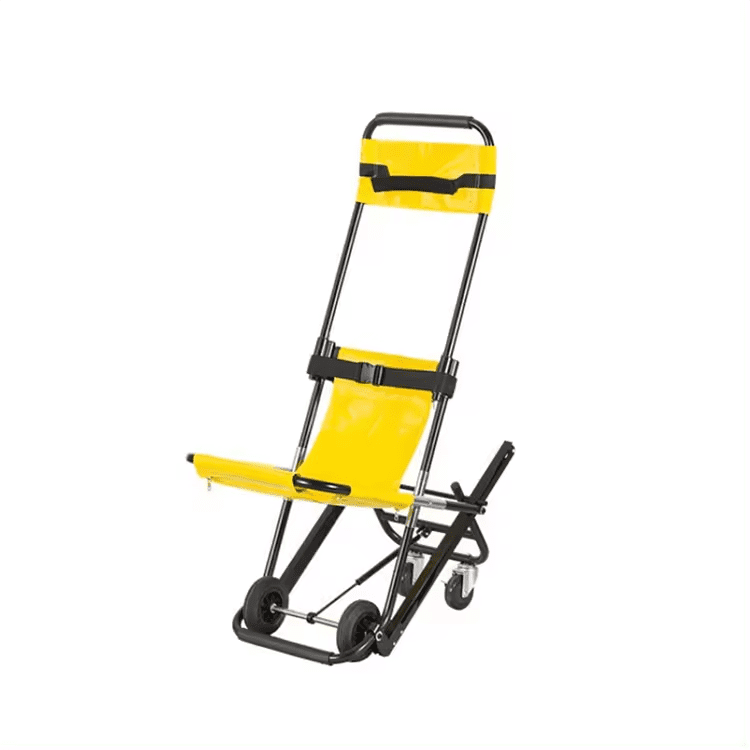
Evacuation chairs are designed specifically to transport individuals safely down staircases during emergencies.
These chairs include:
- Secure safety harnesses
- Controlled braking systems
- Stair-gliding tracks or wheels
- Foldable compact designs
They allow trained staff to assist individuals who cannot descend stairs independently.
Evacuation chairs are commonly installed in:
- Office buildings
- Hospitals
- Airports
- Hotels
Rescue Sleds and Evacuation Mats
Rescue sleds and evacuation mats allow responders to move individuals across flat surfaces quickly.
They are especially useful in situations where:
- hallways are crowded
- wheelchairs cannot maneuver easily
- patients need to be transported quickly
These devices are commonly used in hospitals and medical facilities.
Stair Climber Devices
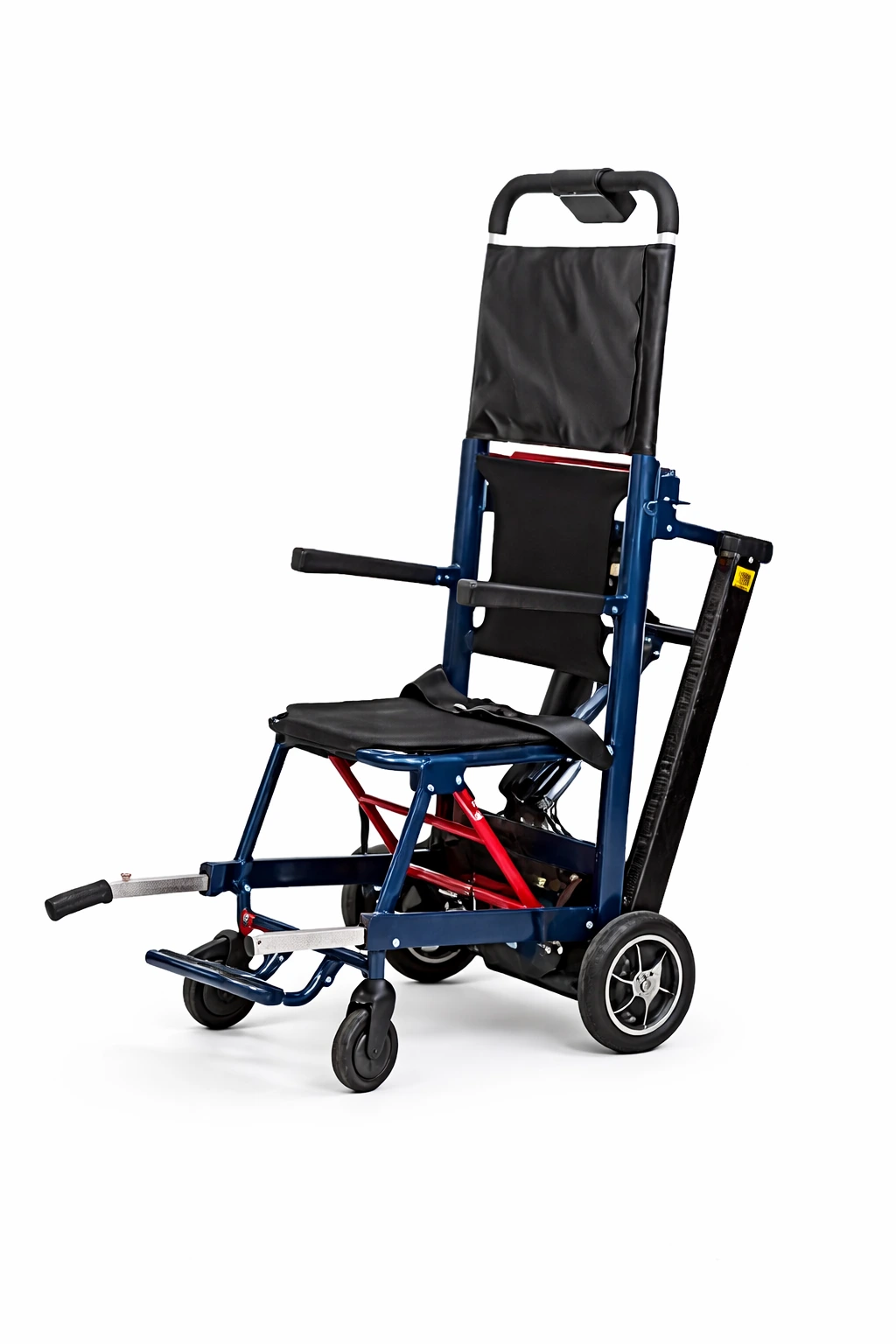
Stair climbers help transport individuals up or down stairs when elevators are unavailable.
They are available in:
- powered electric stair climbers
- manual stair climbing devices
These devices significantly reduce physical strain on caregivers and responders.
Portable Wheelchair Ramps
Portable ramps remove barriers such as steps and uneven surfaces during evacuations.
They allow mobility devices including:
- manual wheelchairs
- electric wheelchairs
- stretchers
- rescue trolleys
to move smoothly through exits and emergency routes.
Lightweight ramps can be quickly deployed during emergencies.
Transfer Boards and Slide Sheets
Transfer boards and slide sheets assist caregivers in moving individuals between surfaces.
They help with transfers from:
- beds
- chairs
- wheelchairs
- floors
These tools are essential when evacuating individuals who cannot move independently.
Foldable Wheelchairs and Rescue Trolleys
Foldable mobility devices provide fast evacuation support.
They are especially useful for:
- injured individuals
- elderly persons
- people unable to walk long distances
Compact foldable wheelchairs allow responders to move individuals quickly during emergencies.
These devices complement everyday mobility equipment such as electric wheelchairs and manual wheelchairs used for daily movement.
How to Choose the Right Evacuation Mobility Equipment
Selecting the right equipment depends on several important factors.
Assess Mobility Needs in Your Building
Start by identifying individuals who may need assistance during emergencies.
Consider:
- elderly residents
- people with disabilities
- visitors with temporary injuries
- patients in healthcare facilities
Understanding the mobility needs of your building helps determine the right evacuation equipment.
Ensure Compliance With Safety Regulations
Evacuation equipment must meet recognized safety standards and accessibility guidelines.
Certified products ensure:
- reliability during emergencies
- compliance with local safety regulations
- proper protection for building occupants
Organizations that invest in compliant equipment demonstrate strong safety leadership.
Ensure Equipment Is Easily Accessible
Evacuation equipment must be:
- clearly marked
- easy to access
- quick to deploy
Equipment stored in locked rooms or blocked areas can delay emergency response.
Lightweight, easy-to-deploy solutions are the most effective.
Train Staff and Caregivers
Even the best evacuation equipment is ineffective without proper training.
Staff should receive regular instruction on:
- operating evacuation chairs
- assisting wheelchair users
- performing safe transfers
- responding during emergency situations
Routine evacuation drills ensure staff are confident and prepared when emergencies occur.
Building Safer and More Inclusive Environments
Safety planning should never exclude people with mobility challenges.
By implementing evacuation mobility solutions, organizations demonstrate that every life matters during an emergency.
Combining emergency evacuation tools with everyday mobility equipment such as wheelchairs, manual wheelchairs, and electric wheelchairs ensures continuous accessibility and safety.
Final Thoughts
Emergencies demand quick action and careful planning. Investing in evacuation mobility solutions helps protect vulnerable individuals and ensures that everyone, including People of Determination, can evacuate safely during emergency situations.
Organizations that implement inclusive safety strategies create environments where dignity, accessibility, and safety are always prioritized for employees, visitors, and People of Determination who may rely on mobility support.
By preparing in advance, training staff, and installing proper evacuation equipment, buildings become safer, more accessible, and more inclusive for everyone.