
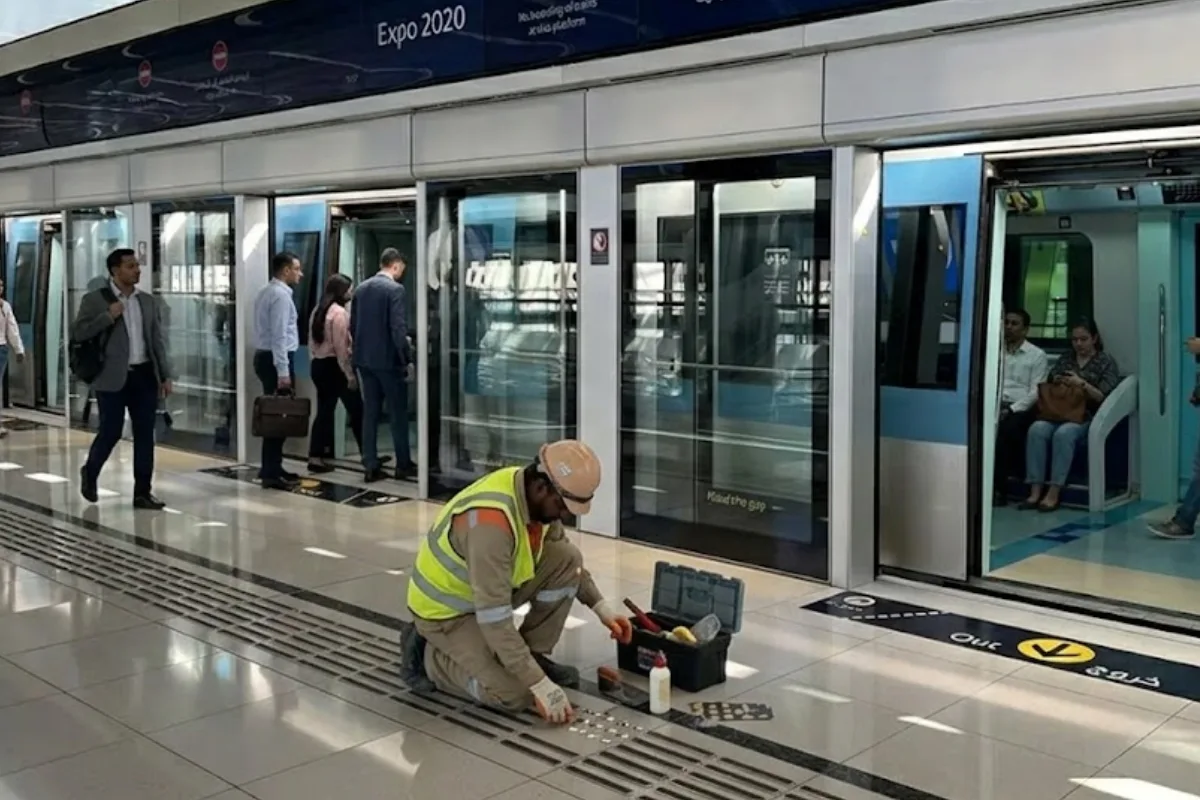
Accessibility is no longer optional in the UAE – it’s mandatory, especially when designing inclusive environments for People of Determination. From shopping malls to hospitals and metro stations, tactile indicators play a critical role in guiding persons with visual impairments safely through public and private spaces.
If you’re a contractor, architect, facilities manager, or business owner in Dubai or across the UAE, this guide will explain:
- What tactile indicators are
- The different types available
- Where they should be installed
- UAE compliance considerations
- How to choose the right tactile solution
What Are Tactile Indicators?
Tactile indicators (also called tactile paving or Braille tiles) are textured ground surface indicators installed to provide directional guidance or hazard warnings for visually impaired individuals and People of Determination.
They are designed to be detected by:
- Foot
- Cane
- Underfoot vibration
These surfaces create a safer, more inclusive environment in public spaces.
Types of Tactile Indicators
1. Warning (Hazard) Tactile Indicators
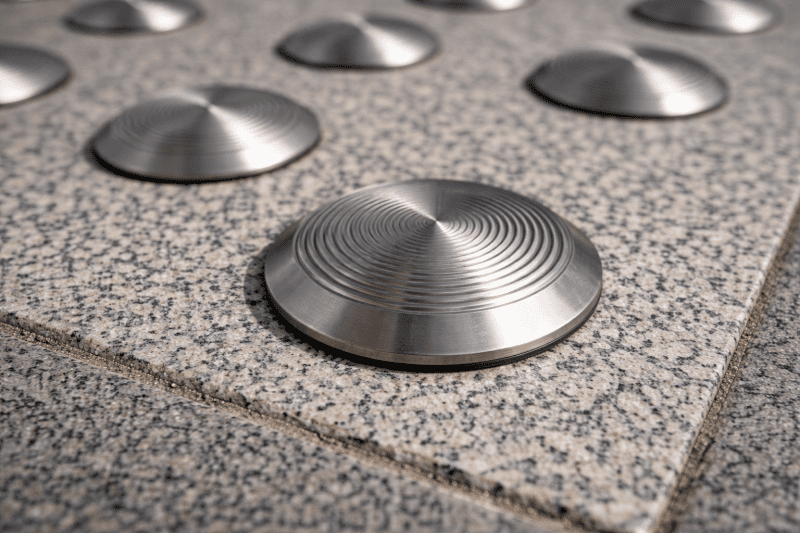

These feature raised dome patterns (often called truncated domes) and are used to warn users of hazards ahead.
Common installation areas:
- Staircases
- Escalators
- Platform edges
- Road crossings
- Ramps
You can explore our Warning Tactile Indicators for high-traffic applications designed for durability and slip resistance.
2. Directional Tactile Indicators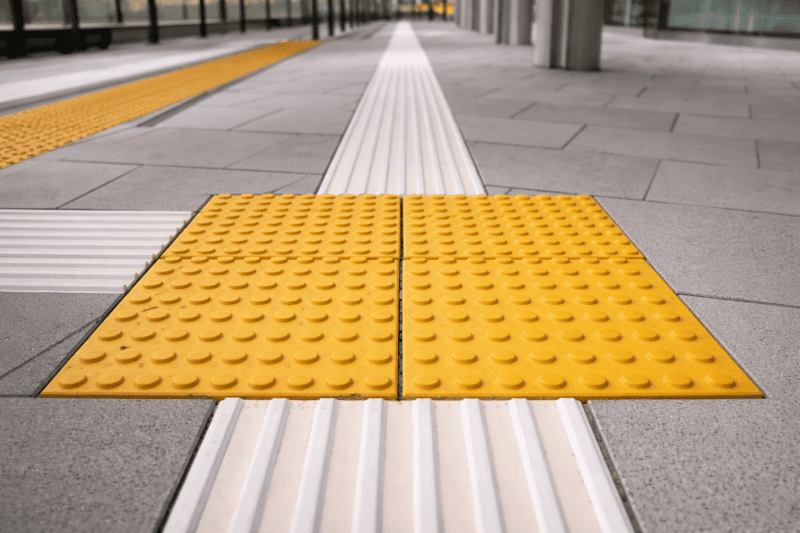
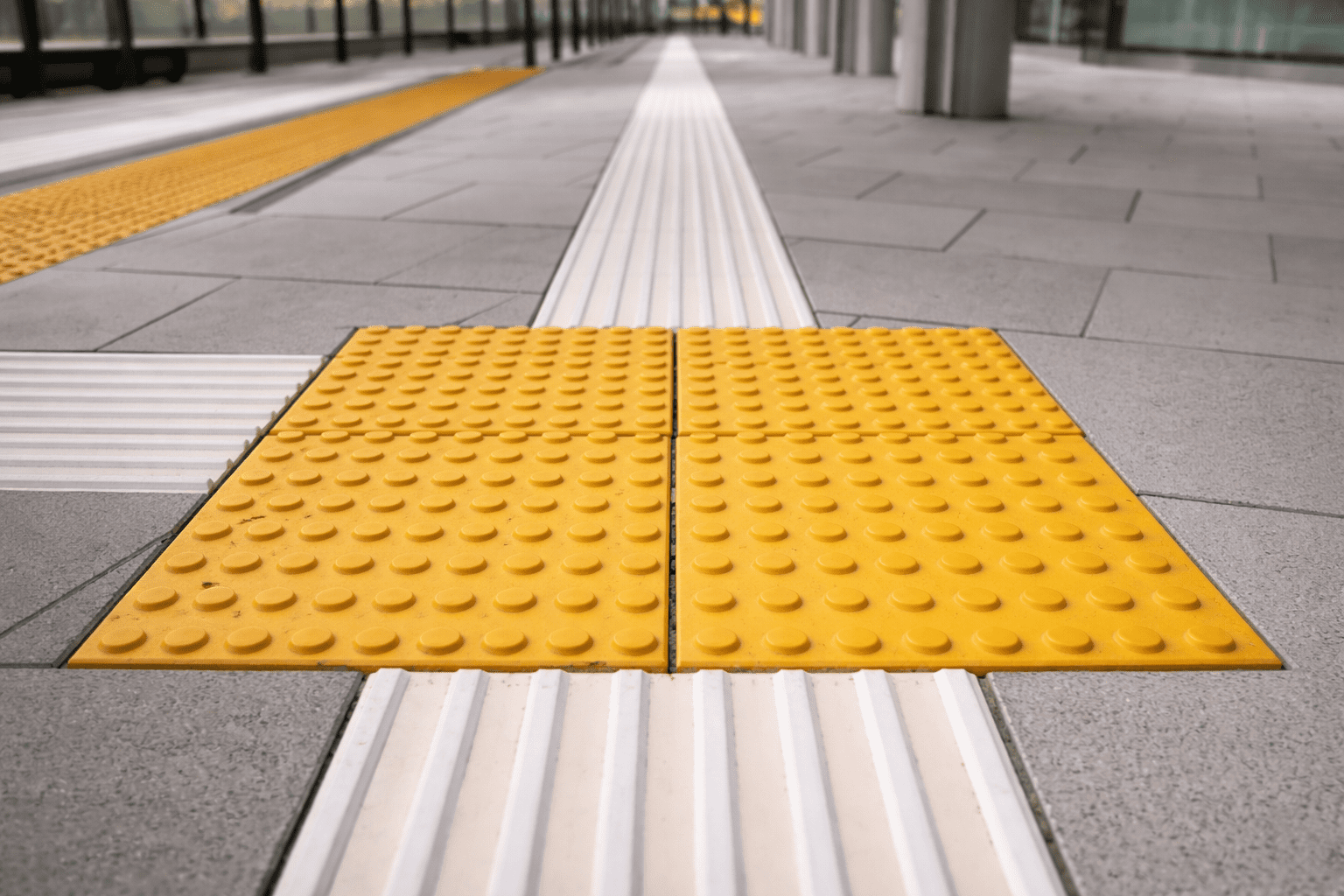
Directional tactile feature long raised bars that guide users along a safe path of travel.
Commonly used in:
- Airports
- Metro stations
- Large malls
- Government buildings
- Hospitals
Our Directional Tactile Tiles are suitable for both indoor and outdoor use, offering high visibility and strong adhesion options.
Where to Buy Tactile Indicators in Dubai
For contractors, developers, and facility managers looking for high-quality tactile indicators in Dubai, working with a specialized accessibility supplier is essential.
At Gilani Mobility, we supply a wide range of UAE-compliant tactile indicators designed for commercial and government projects, including:
• Stainless steel tactile studs
• Polyurethane tactile tiles
• Directional tactile paving
• Hazard warning tactile indicators
• Custom tactile solutions for large projects
Our team also assists with product selection, compliance guidance, and professional installation support to ensure the project meets UAE accessibility standards. Contact us for tactile indicator supply and installation consultation in Dubai.
Where Are Tactile Indicators Required in the UAE?
In the UAE, accessibility for people of determination is governed by inclusive design regulations and municipal guidelines.
Tactile indicators are typically required in:
- Government buildings
- Public transport areas
- Shopping centers
- Educational institutions
- Healthcare facilities
- Commercial offices
Installing tactile paving is not just compliance, it reflects social responsibility and brand integrity.
Materials Used in Tactile Indicators
Different projects require different materials. Common options include:
- Stainless steel tactile
- Polyurethane tactile tiles
- Rubber tactile
- Aluminum tactile
- PVC tactile indicators
For high-end commercial projects, Stainless Steel Tactile Studs are often preferred for durability and modern aesthetics. For cost-effective indoor applications, PU Tactile Tiles offer flexibility and strong slip resistance.
Indoor vs Outdoor Applications
Not all tactile are built the same.
| Environment | Recommended Material |
| Indoor malls | PU or PVC tiles |
| Outdoor sidewalks | Stainless steel or aluminum |
| High-traffic areas | Heavy-duty metal tactiles |
| Temporary installations | Adhesive-backed tactile tiles |
Choosing the wrong material can lead to early wear, peeling, or compliance issues.
Why Proper Installation Matters
Even the best tactile product will fail if installed incorrectly.
Common mistakes:
- Wrong spacing
- Poor adhesive
- Uneven surfaces
- Incorrect positioning
Professional installation ensures:
- Long-term durability
- Full compliance
- Reduced liability
- Enhanced user safety
How to Choose the Right Tactile Indicator
Before purchasing, ask:
- Is this indoor or outdoor?
- What is the foot traffic level?
- Is compliance certification required?
- What surface will it be installed on?
- Does the project require dome or directional patterns?
If unsure, consulting with accessibility specialists ensures you choose the correct solution.
Why Businesses in the UAE Are Investing in Tactile Solutions
Accessibility is becoming a competitive advantage.
Organizations that install proper tactile systems:
- Improve public trust
- Reduce legal risks
- Enhance inclusive branding
- Meet regulatory requirements
Inclusive infrastructure is not a cost, it’s a long-term investment.
Why Choose Gilani Mobility for Tactile Indicators in Dubai
Choosing the right supplier is critical when installing accessibility infrastructure. At Gilani Mobility, we specialize in accessibility and mobility solutions for People of Determination across the UAE.
Businesses choose Gilani Mobility because we provide:
• UAE-compliant tactile indicators suitable for public infrastructure
• Durable materials designed for high-traffic environments
• Expert consultation for contractors and architects
• Professional installation guidance
• Fast delivery across Dubai and the UAE
Our tactile indicators are commonly used in:
• Shopping malls
• Hospitals and clinics
• Government buildings
• Airports and metro stations
• Educational institutions
• Commercial developments
Speak with our accessibility specialists on to find the right tactile solution for your project.
Conclusion
Tactile indicators are essential components of accessible design across the UAE.
Whether you need Warning Tactile Tiles, Directional Tactile Paving, or heavy-duty Stainless Steel Tactile Studs, choosing the right material and proper installation makes all the difference.
If you’re planning an accessibility upgrade or new construction project, explore our full range of tactile solutions to find the right fit for your environment.
Frequently Asked Questions (FAQs)
1. Are tactile indicators mandatory in the UAE?
Yes. Tactile indicators are required in public buildings, transport facilities, and many commercial developments under UAE accessibility and inclusive design regulations. Government buildings, malls, hospitals, and metro stations must provide safe navigation for persons with visual impairments.
2. What is the difference between warning and directional tactile indicators?
Warning tactile use raised dome patterns (truncated domes) to alert users of hazards such as stairs or platform edges.
Directional tactile use long raised bars to guide users along a safe walking path.
Both serve different purposes and are often used together in compliant projects.
3. What material is best for outdoor tactile paving?
For outdoor installations, stainless steel and aluminum tactile indicators are recommended due to their durability, corrosion resistance, and ability to withstand high foot traffic and weather exposure.
4. Where should tactile indicators be installed?
Tactile indicators should be installed at:
- Staircases and escalators
- Ramps
- Road crossings
- Building entrances
- Platform edges
- Large open areas requiring directional guidance
Proper spacing and positioning are critical for compliance.
5. How long do tactile indicators last?
High-quality tactile indicators made from stainless steel or heavy-duty polyurethane can last many years when properly installed. Lifespan depends on traffic level, installation method, and environmental conditions.
6. Do tactile indicators require professional installation?
Yes. Incorrect spacing, poor adhesion, or improper alignment can result in non-compliance and safety risks. Professional installation ensures durability and regulatory compliance. For professional installation for tactile indicators, you can contact us.
7. Where can I buy tactile indicators in Dubai?
Businesses and contractors can purchase tactile indicators from specialized accessibility suppliers such as Gilani Mobility in Dubai, which offers stainless steel, polyurethane, and directional tactile solutions suitable for commercial projects.
8. Do suppliers also install tactile indicators?
Yes. Professional suppliers like Gilani Mobility can provide consultation, product supply, and installation guidance to ensure the tactile paving meets accessibility regulations and durability requirements.