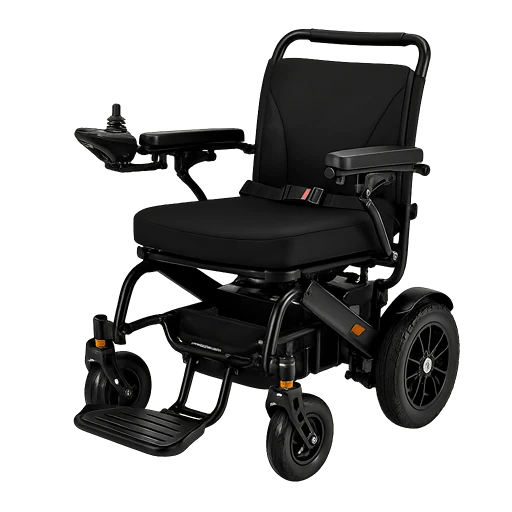




Choosing the best wheelchair accessible vehicle depends on the wheelchair user, wheelchair dimensions, occupied height, passenger requirements, preferred access method, seating position and how the vehicle will be used.
For families in the UAE comparing popular MPVs, the
Kia Carnival,
Hyundai Staria
and
Honda Odyssey
can all be considered for wheelchair-accessible conversion, but they may suit different users and passenger configurations.
There is no single wheelchair accessible car or van that is best for every user. A good comparison should consider the entry system, usable headroom, wheelchair dimensions, wheelchair position, passenger seating, securement requirements, parking environment, local technical support and after-sales service.
wheelchair accessible vehicles for sale in Dubai and the UAE.
Which Wheelchair Accessible Vehicle Is Best?
Quick answer: the best wheelchair accessible vehicle depends on the individual rather than simply the make of car.
The Hyundai Staria may be worth considering when a spacious MPV layout is important. The Kia Carnival can suit families looking for a balance between passenger use and wheelchair-accessible conversion options. The Honda Odyssey is another family-oriented MPV platform that can be configured for wheelchair access.
The access system matters just as much as the base vehicle. Depending on the user’s requirements, this may involve a rear ramp, platform lift, lowered-floor configuration or the
G24 NoRamp® wheelchair-accessible vehicle conversion.
Wheelchair Accessible Vehicle Comparison at a Glance
| Vehicle / Solution | Worth Considering For | Important Point to Check |
|---|---|---|
| Kia Carnival | Family transportation and flexible passenger requirements | Wheelchair position, occupied height and final seating configuration |
| Hyundai Staria | Families prioritising a spacious MPV cabin | Usable internal dimensions after conversion |
| Honda Odyssey | Comfort-focused family transportation | Conversion type, access method and available seating |
| G24 NoRamp® | Users who want to investigate access without a long external ramp | Vehicle compatibility and individual wheelchair dimensions |
| Platform-Lift Vehicle | Users who require powered vertical wheelchair boarding | Platform dimensions, lifting capacity and available vehicle space |
Always assess the actual wheelchair, user and proposed vehicle configuration before deciding. Vehicle dimensions and available seating can change depending on the conversion.
What Is a Wheelchair Accessible Vehicle (WAV)?
A wheelchair accessible vehicle, commonly shortened to WAV, is a car, MPV or van configured to improve access for a wheelchair user. Depending on the conversion, the user may travel while remaining seated in the wheelchair or transfer to a vehicle seat.
Common vehicle-access configurations include:
- Ramp access: a rear or side ramp provides a path into the vehicle.
- Platform lift: a powered platform raises the wheelchair from ground level to the vehicle floor.
- Lowered-floor access: the floor or access geometry is modified to reduce the height required for wheelchair entry.
- Ramp-free access: systems such as the G24 NoRamp® use an integrated vehicle-access configuration without a conventional extended external ramp.
- Transfer or swivel seat: suitable for some users who can transfer from their wheelchair into a vehicle seat.
If you are looking for available wheelchair cars, accessible vans and conversion options rather than general information, visit the
wheelchair accessible vehicle range.
What Should UAE & GCC Buyers Consider When Choosing a WAV?
1. Wheelchair Dimensions
Do not choose the vehicle based only on wheelchair width. Measure the wheelchair’s overall width, overall length and the user’s occupied wheelchair height. Powered wheelchairs with headrests, positioning systems or elevated seating can require substantially more space than a basic manual wheelchair.
2. Passenger Requirements
Consider how many people will normally travel with the wheelchair user. A conversion can change the original passenger configuration of the vehicle, so compare the number and location of usable passenger seats after modification.
3. Parking Environment
A conventional rear-ramp vehicle requires sufficient clearance behind the vehicle for deployment and wheelchair movement. This can be an important consideration in residential parking areas, hotel parking, shopping centres and other tighter spaces.
4. Climate & Regular Use
Vehicle-access equipment can include mechanical and electrical components. UAE owners should ask how the chosen system should be inspected, serviced and maintained for regular local use.
5. Wheelchair Securement & Occupant Restraint
If a passenger will remain in the wheelchair while travelling, discuss the appropriate wheelchair securement and occupant-restraint configuration for the specific vehicle, wheelchair and intended use.
6. Inspection & Registration Requirements
Vehicle modifications may be subject to applicable inspection, approval and registration requirements. Confirm the requirements for the specific vehicle and proposed conversion before purchasing or modifying a vehicle.
7. Warranty & Local Technical Support
Accessible-vehicle equipment may require maintenance after installation. Before choosing a solution, check the applicable warranty terms, access to replacement parts and availability of local technical support.
Gilani Mobility customers can review the company’s
warranty and after-sales support information
before purchasing equipment or a conversion.
Kia Carnival vs Hyundai Staria vs Honda Odyssey for Wheelchair Access
The base vehicle should be selected around the wheelchair user and intended conversion—not simply because one model is popular. Below are practical factors to consider when comparing three commonly considered MPV platforms.
Kia Carnival Wheelchair Accessible Vehicle – Who Is It Suitable For?
The Kia Carnival is a family-oriented MPV that can be considered for wheelchair-accessible conversion when passenger flexibility and everyday family use are important.
Consider a Kia Carnival when:
- You require an MPV suitable for family transportation.
- You want to balance wheelchair space with passenger seating.
- You are comparing lowered-floor or alternative wheelchair-access systems.
- You want a vehicle that can be configured around both wheelchair and family requirements.
Check before choosing:
- Wheelchair occupied height
- Usable entry height and width
- Wheelchair position after conversion
- Remaining passenger seats
- Required wheelchair securement system
- Compatibility with the proposed access conversion
Learn more about the
Kia wheelchair accessible vehicle and conversion options.
Hyundai Staria Wheelchair Accessible Vehicle – Who Is It Suitable For?
The Hyundai Staria is another MPV platform that can be considered when cabin space, passenger comfort and wheelchair-accessibility requirements need to be combined in one vehicle.
Consider a Hyundai Staria when:
- A spacious passenger-vehicle layout is a priority.
- You need to compare different wheelchair positions and passenger configurations.
- The vehicle will be used regularly for family or accessible transportation.
- You want to evaluate lowered-floor or other accessible conversion options.
Check before choosing:
- Actual usable internal height after conversion
- Entry dimensions
- Wheelchair dimensions and occupied height
- Passenger-seat configuration
- Access method and parking requirements
See Gilani Mobility’s
Hyundai Staria wheelchair conversion
for vehicle-specific information.
Honda Odyssey Wheelchair Accessible Vehicle – Who Is It Suitable For?
The Honda Odyssey can be considered by families looking for a people-mover platform that can support wheelchair access while retaining practical passenger use.
Consider a Honda Odyssey when:
- Family passenger comfort is important.
- You want to compare flexible seating configurations.
- You require rear wheelchair access depending on the conversion.
- You need wheelchair access while retaining passenger capacity where the configuration allows.
See the
Honda Odyssey wheelchair access conversion
for a specific conversion example.
Kia Carnival vs Hyundai Staria vs Honda Odyssey: What Should You Compare?
| Factor | Kia Carnival | Hyundai Staria | Honda Odyssey |
|---|---|---|---|
| Vehicle type | MPV | MPV | MPV |
| Family use | Worth considering | Worth considering | Worth considering |
| Wheelchair access | Depends on conversion | Depends on conversion | Depends on conversion |
| Passenger seating | Verify final configuration | Verify final configuration | Verify final configuration |
| Occupied wheelchair height | Measure before selection | Measure before selection | Measure before selection |
| Access system | Confirm available configuration | Confirm available configuration | Confirm available configuration |
| Wheelchair securement | Specify for final conversion | Specify for final conversion | Specify for final conversion |
Ramp vs Platform Lift vs NoRamp®: Which WAV Access System Should You Choose?
Choosing the base vehicle is only one part of the decision. The method used to enter and exit the vehicle can significantly affect parking requirements, ease of use and vehicle configuration.
| Access Type | How It Works | What to Consider |
|---|---|---|
| Rear or Side Ramp | A ramp is deployed between the vehicle floor and ground. | Available deployment space, gradient, user or caregiver requirements and parking clearance. |
| Platform Lift | A powered platform lifts the wheelchair between ground and vehicle-floor level. | Platform size, capacity, operating space, servicing and vehicle compatibility. |
| Lowered-Floor / NoRamp® | The access geometry and internal floor configuration reduce or remove the need for a conventional extended external ramp. | Vehicle compatibility, required conversion work, wheelchair dimensions and final internal layout. |
| Swivel / Transfer Seat | A vehicle seat moves outward or rotates to assist transfers. | The user’s ability to transfer and individual mobility requirements. |
For more detail on Gilani Mobility’s ramp-free solution, see the
G24 NoRamp® vehicle conversion.
Wheelchair & Vehicle Measurements to Check Before Buying
Before choosing a wheelchair accessible vehicle, record the measurements that directly affect access and seating.
- Wheelchair overall width
- Wheelchair overall length
- Occupied wheelchair height – measured with the user seated normally
- Combined wheelchair and user weight
- Required entry clear width
- Required entry clear height
- Usable internal headroom
- Ramp or platform dimensions
- Platform-lift capacity where applicable
- Wheelchair manoeuvring space inside the vehicle
- Wheelchair securement location
- Passenger-seat requirements
Required dimensions depend on the wheelchair, user, vehicle, access system and final conversion. Always verify measurements using the actual wheelchair and proposed vehicle rather than relying only on general vehicle specifications.
10 Things to Check Before Choosing a Wheelchair Accessible Vehicle
- Measure the wheelchair accurately. Include overall width, length and occupied height.
- Confirm the combined user and wheelchair weight. This is especially important when a powered lift or access mechanism is involved.
- Decide where the wheelchair user should travel. Compare rear, middle-row and other available positions depending on the conversion.
- Count the required passenger seats. The final accessible configuration may differ from the original vehicle layout.
- Choose the appropriate entry method. Compare ramps, platform lifts, lowered-floor systems and ramp-free access.
- Consider parking space. Determine how much room is required around the vehicle to operate the access system.
- Discuss wheelchair securement and occupant restraint. The system should suit the specific vehicle, wheelchair and intended passenger configuration.
- Confirm inspection and registration requirements. Check the requirements that apply to the specific conversion and location.
- Check warranty and service arrangements. Ask what is covered and who will maintain the accessibility equipment after installation.
- Choose the vehicle only after assessing the user. The user’s measurements and mobility requirements should guide the final vehicle and conversion choice.
Gilani Engineering Insight
Do not choose the base vehicle before checking the wheelchair user’s occupied height, wheelchair dimensions and preferred seating position.
A vehicle can appear spacious from the outside while still providing insufficient usable clearance after the accessible floor, seating arrangement and entry mechanism are installed.
Technical vehicle-accessibility content at Gilani Mobility is supported by the company’s engineering experience. Learn more about
Ray Gilani, Founder and Mechanical & Automotive Engineer,
whose work includes wheelchair-accessible vehicles, adaptive driving systems and accessibility solutions.
Which Type of Wheelchair Accessible Vehicle Should I Choose?
Need a spacious MPV for regular family use?
Compare the Kia Carnival, Hyundai Staria and Honda Odyssey based on the wheelchair position, passenger configuration and access system.
Have limited room behind the vehicle for a long ramp?
Consider whether a lowered-floor or ramp-free configuration such as the
G24 NoRamp®
may be suitable for the chosen vehicle and wheelchair.
Need powered wheelchair boarding?
A wheelchair platform lift may be worth considering. Check the wheelchair dimensions, combined weight, platform dimensions and available installation space.
Can the user transfer into a vehicle seat?
A swivel or transfer-seat solution may be an alternative to a full passenger WAV conversion for some users.
Only need an accessible vehicle temporarily?
A
wheelchair accessible vehicle rental in Dubai
may be more appropriate than purchasing a vehicle.
Should You Buy, Rent or Book a Wheelchair Taxi?
| Option | Consider It When | Next Step |
|---|---|---|
| Buy / Convert a WAV | You need regular long-term accessible transportation for personal, family or organisational use. | Explore wheelchair accessible vehicles |
| Rent a WAV | You require a wheelchair-accessible vehicle temporarily or during a stay in Dubai. | Explore WAV rental |
| Wheelchair Taxi | You need individual journeys with a driver, such as an airport transfer, hospital appointment, hotel journey or family trip. | Book wheelchair accessible transport |
See Wheelchair Accessible Vehicles in Practice
Photographs are useful for comparing vehicles, but videos can make it easier to understand how wheelchair entry systems, internal layouts and vehicle-access mechanisms operate.
Visit the
Gilani Mobility video guides and product demonstrations
to see examples of wheelchair-accessible vehicle conversions and accessibility equipment in use.
When watching a vehicle-access demonstration, pay particular attention to:
- How the wheelchair enters the vehicle
- Entry height and width
- Wheelchair position inside the cabin
- Remaining passenger seating
- Access-system operating space
- Wheelchair securement configuration
Why Warranty and After-Sales Support Matter
A wheelchair accessible vehicle can contain specialist mechanical, electrical and accessibility components in addition to the original vehicle systems.
Before selecting a conversion provider, ask:
- What parts of the accessibility conversion are covered?
- How long does the applicable warranty last?
- Who carries out inspections and repairs?
- Are replacement parts available locally?
- Is ongoing servicing available after installation?
Review Gilani Mobility’s
warranty and after-sales support policy
for more information.
Frequently Asked Questions About Wheelchair Accessible Vehicles
Which wheelchair accessible vehicle is best for families in the UAE?
There is no single vehicle that is best for every family. The Kia Carnival, Hyundai Staria and Honda Odyssey can all be considered depending on wheelchair dimensions, occupied height, required passenger seats, preferred entry method and the final conversion configuration.
Is the Hyundai Staria or Kia Carnival better for wheelchair access?
The answer depends on the individual conversion and user requirements. Compare the usable internal dimensions after conversion, wheelchair position, passenger seating, entry system, occupied wheelchair height and parking requirements rather than choosing only by vehicle make.
What measurements should I take before choosing a WAV?
Measure the wheelchair’s overall width, overall length and occupied height with the user seated normally. Also record the combined user and wheelchair weight and the number of additional passengers who need to travel in the vehicle.
Is a wheelchair ramp or platform lift better?
Neither solution is automatically better for every user. A ramp requires suitable deployment space and an appropriate gradient, while a platform lift uses a powered lifting platform and must be assessed for dimensions, capacity, vehicle compatibility and operating space.
What is a NoRamp® wheelchair accessible vehicle?
Gilani Mobility’s G24 NoRamp® is a wheelchair-accessible vehicle conversion concept designed to provide wheelchair access without relying on a conventional long external ramp. Suitability depends on the base vehicle, wheelchair dimensions and required configuration.
Learn more about the
G24 NoRamp® conversion.
Can a wheelchair user remain seated in the wheelchair while travelling?
Some wheelchair-accessible vehicle configurations allow a passenger to remain seated in the wheelchair. The wheelchair position, securement system and occupant restraint must be assessed for the particular vehicle, wheelchair and conversion.
Can I convert a vehicle I already own?
Possibly. Suitability depends on the vehicle make, model, model year, available dimensions, proposed access system, wheelchair requirements and the extent of modification required. A technical assessment should be completed before proceeding.
Do wheelchair accessible vehicle modifications require inspection?
Applicable inspection, registration and approval requirements depend on the vehicle and modification. Confirm the requirements that apply to the specific vehicle and proposed conversion before beginning the work.
Should I buy or rent a wheelchair accessible vehicle?
Buying or converting a WAV may make sense for regular long-term use. Rental may be more suitable for visitors, temporary requirements or users who need an accessible vehicle for a limited period.
See the
G24 wheelchair accessible vehicle rental
for short-term options.
What if I only need wheelchair transport with a driver?
If you only require individual journeys rather than control of a vehicle for several days, consider Gilani Mobility’s
wheelchair taxi and accessible transport service in Dubai.
Where can I find wheelchair accessible vehicles for sale in the UAE?
For available vehicle platforms, accessible-car options and vehicle-conversion solutions, visit Gilani Mobility’s
wheelchair accessible vehicles for sale in Dubai and the UAE.
About This Wheelchair Accessible Vehicle Guide
This guide is designed to help wheelchair users, People of Determination, families and caregivers understand the main factors involved when comparing wheelchair-accessible cars, vans, MPVs and access systems in the UAE and GCC.
Technical review:
Ray Gilani,
Founder & CEO of Gilani Mobility and Mechanical & Automotive Engineer.
Technical vehicle-accessibility decisions should be based on the specific wheelchair, user requirements, vehicle platform and intended conversion rather than general online information alone.
Last updated: September 2026
Ready to Compare Wheelchair Accessible Vehicles in the UAE?
Choosing a wheelchair accessible vehicle should start with the wheelchair user rather than the vehicle itself.
Before selecting a Kia Carnival, Hyundai Staria, Honda Odyssey or another accessible vehicle, compare the wheelchair dimensions, occupied height, passenger requirements, preferred access method, parking environment and intended use.
Once those requirements are clear, the appropriate base vehicle and conversion can be assessed more accurately.
Choose your next step: