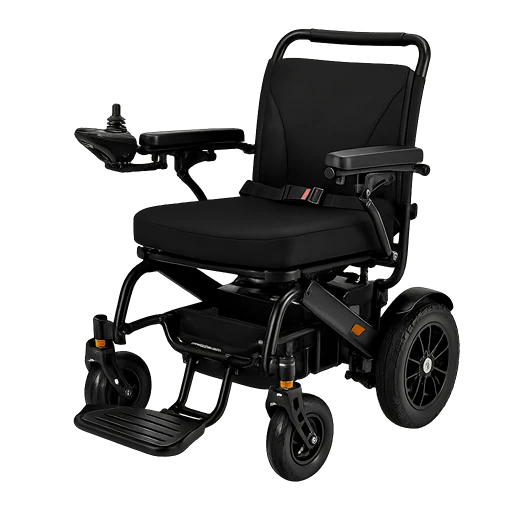


Creating a wheelchair-friendly home is one of the most important steps toward improving independence and safety for individuals with mobility challenges.
Whether you are designing a home for yourself, a family member, or a Person of Determination, making your living space accessible ensures comfort, dignity, and freedom of movement.
With the right modifications, a home can easily become a safe and welcoming environment for people who use wheelchairs and other mobility aids.
In this guide, we will explore simple and practical ways to make your home wheelchair accessible.
Why Wheelchair Accessibility at Home Matters
A wheelchair-accessible home allows individuals to move independently without unnecessary barriers.
For many People of Determination, small design improvements can make a huge difference in everyday activities such as cooking, bathing, or simply moving between rooms.
Accessibility improvements not only enhance safety but also help create a more inclusive environment for everyone.
1. Clear Pathways and Remove Obstacles
The first step to making your home wheelchair-friendly is to clear pathways throughout the house.
Living areas such as:
- Hallways
- Living rooms
- Entryways
- Corridors
should have enough open space for easy wheelchair movement.
Remove bulky furniture and unnecessary decorations that may block pathways.
A wheelchair typically requires at least 90 cm of clearance, so creating wide and open pathways will improve mobility and independence.
2. Install Wheelchair Ramps

Stairs and door thresholds are among the biggest barriers for wheelchair users.
Installing wheelchair ramps is one of the most effective ways to make entrances accessible.
Ramps allow individuals using manual wheelchairs or electric wheelchairs to enter and exit the home safely.
Common ramp options include:
- Portable wheelchair ramps
- Aluminum wheelchair ramps
- Modular ramp systems
- Threshold ramps for small steps
Wheelchair ramps can be installed at:
- Home entrances
- Garden pathways
- Garage access points
- Door thresholds
3. Widen Doorways for Wheelchair Access
Standard doorways can sometimes be too narrow for wheelchairs.
Most wheelchairs require a minimum doorway width of 32 inches (81 cm) to pass through comfortably.
If your doorways are too narrow, consider:
- Widening the door frame
- Installing offset hinges
- Removing unnecessary door frames
These changes significantly improve accessibility and allow wheelchair users to move freely between rooms.
4. Make Bathrooms Wheelchair Accessible
Bathrooms are one of the most important areas to modify in a wheelchair-friendly home.
A wheelchair-accessible bathroom should have enough space for easy turning and transfers.
Key modifications include:
- Installing grab rails near the toilet and shower
- Adding a shower bench or shower chair
- Installing handheld showerheads
- Using non-slip flooring or anti-slip mats
Grab rails provide additional support and improve safety during transfers from wheelchairs to toilets or shower seats.
5. Choose Wheelchair-Friendly Flooring
The type of flooring in your home can significantly affect wheelchair mobility.
Smooth, non-slip surfaces work best.
Recommended flooring options include:
- Hardwood flooring
- Vinyl flooring
- Laminate flooring
- Smooth tiles
Avoid thick carpets or rugs, as they can make it difficult for manual wheelchairs and electric wheelchairs to move smoothly.
Also ensure that loose wires and cables are properly secured to avoid tripping hazards.
6. Adjust Light Switches and Controls
For individuals using wheelchairs, reaching switches or electrical controls can be challenging.
Lowering the height of switches makes them easier to access.
Recommended adjustments include:
- Installing light switches at wheelchair height
- Using touch or smart switches
- Ensuring proper lighting throughout the home
Well-lit spaces improve safety and make it easier for People of Determination to move independently.
7. Modify Furniture Layout
Furniture placement can greatly affect accessibility.
Make sure there is enough space around furniture to allow wheelchair users to move freely.
Helpful adjustments include:
- Lowering table and desk heights
- Using adjustable furniture
- Leaving enough turning space for wheelchairs
Accessible furniture design improves comfort and independence for wheelchair users.
8. Create a Wheelchair-Friendly Kitchen
The kitchen is an important part of daily living, and accessibility is essential.
Consider the following modifications:
- Lower kitchen countertops
- Install pull-out shelves
- Use easy-reach cabinets
- Choose appliances with front controls
These adjustments allow individuals using wheelchairs or mobility aids to cook and prepare meals independently.
Mobility Solutions for Wheelchair Accessibility
Creating a wheelchair-friendly home often requires the right mobility equipment.
Popular mobility solutions include:
- Manual wheelchairs for everyday indoor mobility
- Electric wheelchairs for increased independence
- Portable wheelchair ramps for home entrances
- Bathroom safety equipment such as grab rails and shower chairs
These solutions help People of Determination live more independently and safely at home.
Final Thoughts
Making your home wheelchair-friendly is a powerful step toward creating a safer and more inclusive living environment.
By installing accessibility features such as ramps, wider doorways, accessible bathrooms, and proper flooring, homeowners can improve comfort and mobility for People of Determination and wheelchair users.
With the right accessibility modifications and mobility solutions such as wheelchairs and mobility aids, homes can become welcoming spaces where everyone can move freely and live independently.
For high-quality accessibility solutions, mobility equipment, and expert advice, Gilani Mobility provides trusted mobility solutions designed to improve independence and accessibility for wheelchair users.