



































Table of Contents
ToggleWheelchair use is often misunderstood. Many people assume that if someone uses a wheelchair, they must be completely unable to walk. In reality, a large number of wheelchair users can still walk short distances.
These individuals are known as ambulatory wheelchair users.
Understanding the experiences of ambulatory wheelchair users helps create a more inclusive society, especially in places like the UAE where accessibility and mobility support for people of determination continues to grow.
What Is an Ambulatory Wheelchair User?
An ambulatory wheelchair user is someone who can walk to some extent but uses a wheelchair for mobility support when needed.
Unlike full-time wheelchair users, ambulatory users may alternate between walking and using mobility equipment depending on their physical condition, fatigue level, or environment.
Some situations where an ambulatory wheelchair may be used include:
Long distances or crowded places
Flare-ups of medical conditions
Fatigue or chronic pain
Recovery after surgery or injury
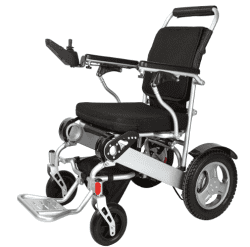
For many users, a **manual wheelchair or **electric wheelchair provides independence and mobility when walking alone becomes difficult.
Who Are Considered Ambulatory Wheelchair Users?
Ambulatory wheelchair users include individuals living with various medical or mobility conditions that affect walking ability.
Common examples include people who:
Experience musculoskeletal conditions that limit walking distance
Live with chronic illnesses such as Multiple Sclerosis, Fibromyalgia, or neurological conditions
Are recovering from surgery or injury
Experience fluctuating energy levels or chronic fatigue
Live with conditions affecting balance, strength, or pain levels
Because symptoms can change daily, ambulatory wheelchair users often need flexible mobility solutions.
Is Using a Wheelchair a Sign of Total Immobility?
No. Using a wheelchair does not mean someone is completely unable to walk.
Many ambulatory wheelchair users can stand or walk short distances. However, walking for extended periods may cause severe pain, fatigue, or risk of injury.
Wheelchairs help conserve energy and allow users to participate in activities they might otherwise avoid.
For people of determination, mobility equipment plays a critical role in maintaining independence and improving quality of life.
Challenges Faced by Ambulatory Wheelchair Users
Ambulatory wheelchair users often experience unique social and accessibility challenges.
Misunderstanding and Judgment
One of the most common issues is public misunderstanding.
Because ambulatory users may sometimes stand or walk, others may question whether they “really need” a wheelchair.
This skepticism can lead to uncomfortable situations or social stigma.
Accessibility Barriers
Public spaces are often designed assuming wheelchair users always remain seated.
Ambulatory users may still struggle with:
Long walking distances
Stairs or uneven terrain
Limited seating or rest areas
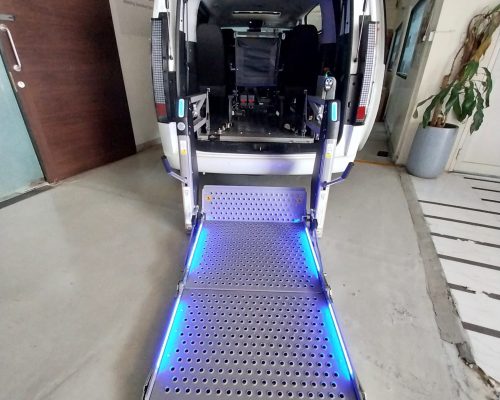
Accessible infrastructure such as ramps, elevators, and mobility-friendly pathways makes a significant difference.
How to Support Ambulatory Wheelchair Users
Creating a more inclusive environment starts with awareness and respect.
Here are several ways to be supportive.
Educate Yourself
Many people are unaware that ambulatory wheelchair use is common.
Learning about different mobility conditions helps reduce misconceptions and promotes empathy.
Respect Individual Independence
Avoid assumptions about someone’s abilities.
If assistance is needed, it’s always best to ask politely rather than intervene automatically.
Support Accessible Spaces
Accessibility benefits everyone.
Examples include:
Wheelchair ramps
Accessible restrooms
Mobility-friendly entrances
Elevators and stairlifts
These improvements make public spaces usable for more people.
Promote Inclusive Activities
Social events, workplaces, and recreational areas should aim to be wheelchair-friendly and inclusive.
Accessible design allows ambulatory wheelchair users to participate fully in everyday activities.
Choosing the Right Wheelchair for Ambulatory Users
Selecting the right mobility equipment depends on the user’s needs, lifestyle, and physical condition.
Some users benefit from lightweight manual wheelchairs, while others prefer powered mobility devices.
Exploring reliable electric wheelchairs in Dubai or mobility equipment solutions can help individuals find the best option for their daily routines.
Gilani Mobility – Supporting Mobility and Independence
At Gilani Mobility, we provide specialized mobility solutions designed to support different types of wheelchair users.
Whether you need a lightweight mobility aid or a powered wheelchair, our experts help match the right equipment to your lifestyle.
Our mobility solutions include:
High-quality electric wheelchairs
Lightweight manual wheelchairs
Professional wheelchair rental services
Accessibility solutions and mobility equipment
Our mission is to help individuals maintain independence and move confidently in their daily lives.
Explore our mobility solutions today
Visit Gilani Mobility to discover reliable mobility equipment designed for comfort, safety, and independence.
Frequently Asked Questions (FAQs)
What is an ambulatory wheelchair user?
An ambulatory wheelchair user is someone who can walk short distances but uses a wheelchair when mobility becomes difficult due to fatigue, pain, or medical conditions.
What percentage of wheelchair users are ambulatory?
Statistics vary by country, but research suggests that a significant portion of wheelchair users are ambulatory. In some regions, up to one-third of wheelchair users may still retain partial walking ability.

One Comment
Thank you for the good writeup It in fact was a amusement account it Look advanced to far added agreeable from you However how could we communicate.