


























Table of Contents
ToggleTransferring from a wheelchair to a toilet can be one of the most challenging daily tasks for People of Determination, elderly individuals, or people recovering from injury. Without the correct technique or assistive equipment, transfers can lead to discomfort, loss of independence, or even injury.
Learning how to transfer from wheelchair to toilet safely is essential for maintaining dignity, independence, and safety. With the right preparation, bathroom accessibility equipment, and proper transfer techniques, the process can become much easier.
This guide explains safe wheelchair-to-toilet transfer techniques, essential assistive devices, and practical tips for caregivers and wheelchair users.
Why Safe Wheelchair to Toilet Transfers Are Important
A proper wheelchair to toilet transfer improves both safety and independence for individuals with mobility challenges.
Safe transfers help:
- Prevent falls and injuries
- Reduce strain for caregivers
- Improve independence for wheelchair users
- Support dignity and privacy during daily routines
For People of Determination, having accessible bathrooms and proper transfer equipment can significantly improve daily quality of life.
Essential Equipment for Wheelchair to Toilet Transfers
Before performing a transfer, ensure the bathroom environment is safe and accessible.
Several mobility aids and accessibility products can help simplify transfers.
Transfer Boards
A transfer board creates a stable bridge between the wheelchair and the toilet seat.
Benefits include:
- Easier sliding transfers
- Reduced lifting effort
- Improved safety during movement
Transfer boards are commonly used for wheelchair users who have upper body strength but need support for transferring.
Grab Bars
Grab bars provide essential support when sitting down or standing up.
They are installed near the toilet and inside showers.
Benefits include:
- Better balance and stability
- Reduced fall risk
- Increased independence for wheelchair users
Grab bars are one of the most important home accessibility modifications.
Toilet Seat Risers
A raised toilet seat increases the height of the toilet, reducing the distance required during a transfer.
Benefits include:
- Easier sitting and standing
- Reduced strain on knees and hips
- Safer bathroom transfers
Toilet seat risers are especially helpful for elderly individuals and People of Determination with limited mobility.
Anti-Slip Mats
Anti-slip mats improve bathroom safety by reducing slipping risks.
They are recommended for:
- Bathroom floors
- Shower areas
- Near the toilet
Mobility Equipment That Supports Safe Toilet Transfers
Several specialized products can make transfers safer and easier.
Examples include:
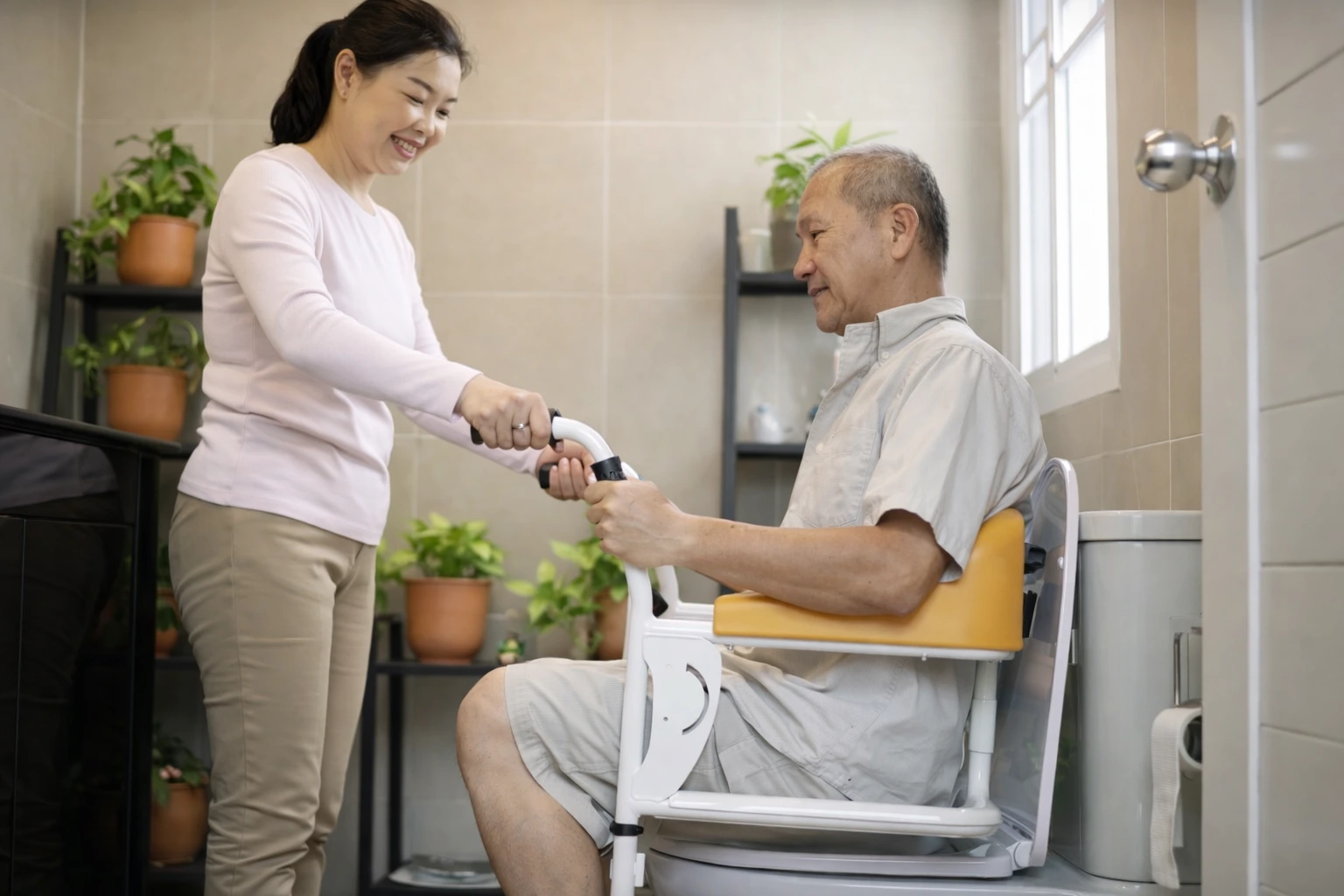
- Transfer commode wheelchairs
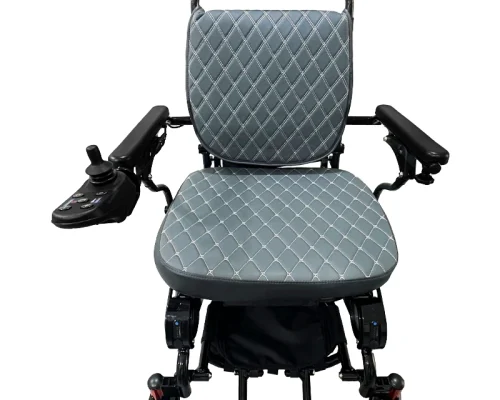
- Electric transfer chairs
- Shower and commode chairs
- Toilet lift seats
These solutions help support People of Determination, patients recovering from surgery, and individuals with limited mobility.
Step-by-Step Guide: How to Transfer from Wheelchair to Toilet
Following proper transfer steps can significantly reduce injury risks.
1. Position the Wheelchair Correctly
Position the wheelchair close to the toilet at approximately a 45-degree angle.
Then:
- Lock the wheelchair brakes
- Ensure the toilet area is clear
- Confirm grab bars are within reach
2. Prepare the Wheelchair
Before transferring:
- Remove or swing away footrests
- Flip up the armrest nearest the toilet
- Scoot forward toward the edge of the wheelchair seat
The person should place both feet firmly on the ground.
3. Use a Transfer Board (If Needed)
If using a transfer board:
- Place one end under the hip
- Position the other end on the toilet seat
- Use arms to slowly slide across the board
This method reduces the need for lifting.
4. Use Grab Bars for Support
Grab bars provide stability during the transfer.
Steps include:
- Hold the grab bar firmly
- Push up slightly from the wheelchair
- Pivot the body toward the toilet seat
Caregivers can provide support if needed.
5. Final Positioning
Once seated:
- Ensure the person is centered on the toilet seat
- Adjust clothing for comfort and privacy
- Confirm stable seating before releasing support
Tips for Caregivers Assisting with Transfers
Caregivers play an important role in maintaining safe transfers.
Helpful tips include:
Communicate Clearly
Explain each step before performing the transfer.
Clear communication reduces anxiety and confusion.
Avoid Lifting Incorrectly
Caregivers should support movement instead of lifting body weight directly to prevent injuries.
Using transfer aids significantly reduces strain.
Practice Regularly
Regular practice builds confidence and makes the transfer process smoother over time.
Common Transfer Challenges and Solutions
Balance Issues
Using a raised toilet seat or grab bars can improve stability.
Weak Upper Body Strength
Transfer chairs and electric lift seats can provide additional support.
Small Bathroom Spaces
Removing unnecessary furniture and installing compact accessibility aids can improve maneuverability.
Bathroom Accessibility for People of Determination
Creating an accessible bathroom environment is essential for supporting daily independence.
Important bathroom modifications include:
- Grab bars near the toilet
- Raised toilet seats
- Transfer chairs
- Shower chairs
- Non-slip flooring
These changes make bathrooms safer for People of Determination, elderly individuals, and wheelchair users.
Bathroom Mobility Solutions from Gilani Mobility
Gilani Mobility provides a wide range of bathroom accessibility equipment and mobility aids in the UAE designed to support safe transfers and independent living.
Our solutions include:
- Transfer commode wheelchairs
- Electric patient transfer chairs
- Toilet lift seats
- Shower chairs and commode chairs
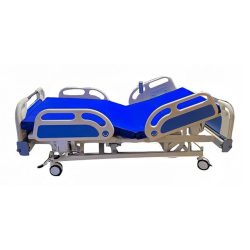
- Hospital beds and medical mattresses
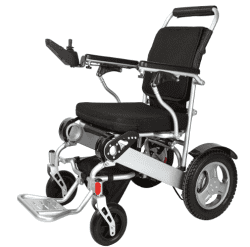
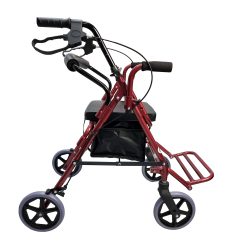
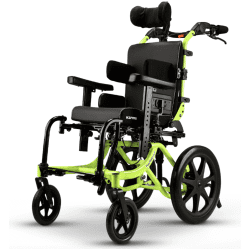
- Electric wheelchairs and mobility aids
Our team helps customers choose the right equipment to improve comfort, safety, and independence for People of Determination and individuals with mobility challenges.
For expert advice, you can contact Gilani Mobility to find the most suitable mobility solutions.
Final Thoughts
Learning how to transfer from wheelchair to toilet safely is an important skill for wheelchair users and caregivers.
With the right equipment, proper transfer techniques, and accessible bathroom modifications, daily routines can become much safer and more comfortable.
Supporting People of Determination with the right accessibility solutions ensures dignity, independence, and improved quality of life.
By investing in the right mobility aids and bathroom accessibility equipment, individuals can maintain independence while reducing injury risks.
