
The ramp preferred over stairs question often arises when designing buildings that must be accessible to everyone. Whether it is a home, hospital, mall, or public facility, choosing the right vertical access solution is critical for safety, accessibility, and usability.
In modern accessibility design, ramps are increasingly used because they provide smoother and safer access for individuals using mobility aids. This is especially important for People of Determination, seniors, wheelchair users, and anyone with limited mobility.
While stairs remain common in many structures, there are several situations where a ramp is clearly the better solution.
Accessibility for People of Determination
One of the most important reasons a ramp preferred over stairs becomes necessary is accessibility.
For individuals who rely on mobility equipment such as:
- Wheelchairs
- Mobility scooters
- Walkers
- Crutches
Stairs create a significant barrier.
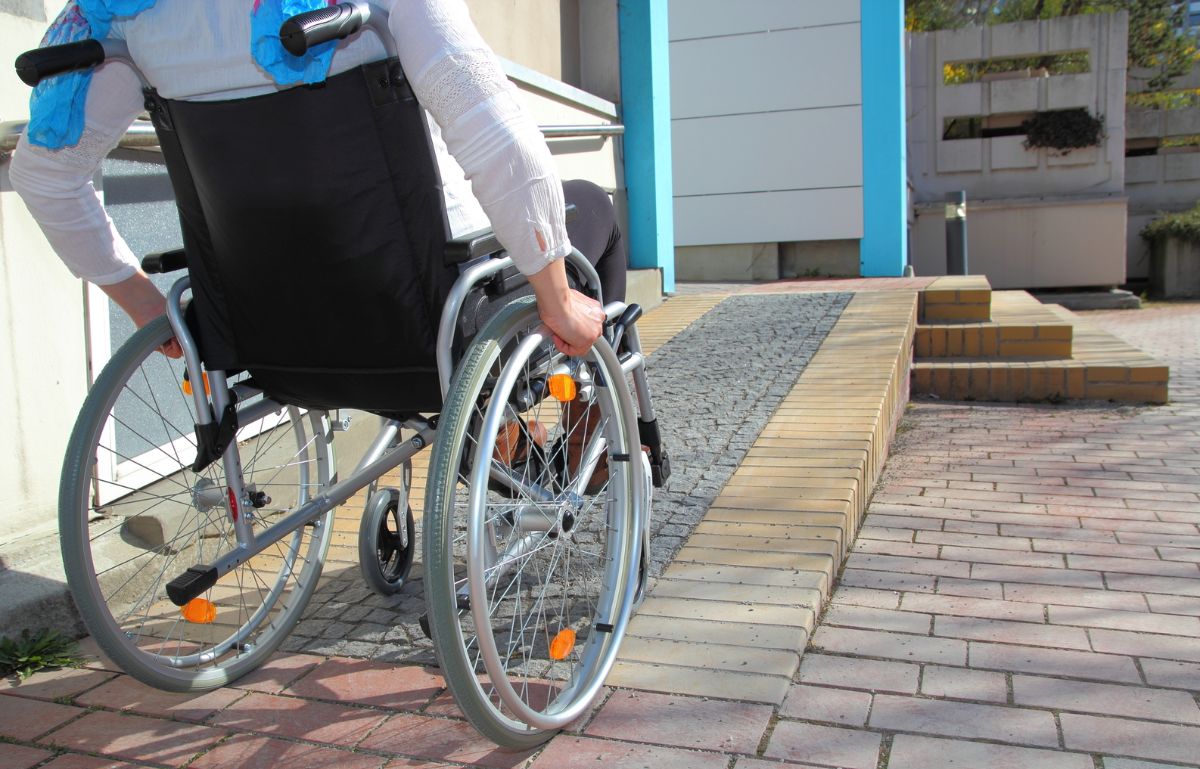
Ramps provide a gradual slope that allows users to move independently without assistance. This promotes dignity and independence for People of Determination, allowing them to access buildings, transport systems, and public facilities without obstacles.
International accessibility standards, including the Americans with Disabilities Act (ADA) and international building codes, require accessible entrances in many public buildings.
Ramps are often the most practical way to meet these requirements.
Improved Safety Compared to Stairs
Another reason a ramp preferred over stairs is the safer experience it provides.
Stairs increase the risk of:
- Tripping
- Falling
- Losing balance
These risks become more serious for:
- Elderly individuals
- People recovering from injuries
- Wheelchair users
- Parents pushing strollers
Ramps offer a gradual incline instead of abrupt steps, reducing the risk of accidents.
Many accessibility ramps also include safety features such as:
- Anti-slip surfaces
- Side railings
- Landing platforms
- Proper slope ratios
According to the International Building Code, ramps typically follow a 1:12 slope ratio, meaning one inch of rise for every twelve inches of ramp length.
This design ensures a safe incline that can be comfortably navigated.
Better Convenience and Daily Usability
In everyday environments, a ramp preferred over stairs often improves convenience for many users.
Ramps make movement easier for people who:
- Carry heavy bags
- Push baby strollers
- Move equipment or carts
- Transport luggage
Airports, shopping malls, and transport stations frequently rely on ramps because they accommodate wheeled movement efficiently.
The ability to roll rather than lift heavy items makes ramps extremely practical in high-traffic areas.
Transporting Heavy Equipment and Cargo
Another situation where a ramp preferred over stairs becomes essential is when transporting heavy loads.
Moving furniture, medical equipment, or cargo up a staircase is difficult and risky.
Checkout: Ramps for Vehicles & Vans
Ramps allow wheeled devices such as:
- Trolleys
- Hospital beds
- Luggage carts
- Wheelchairs
To move smoothly between levels.
This significantly reduces physical strain and prevents injuries during lifting.
Warehouses, hospitals, and delivery zones frequently rely on ramps for this reason.
Performance During Bad Weather
Weather conditions can turn stairs into serious hazards.
Rain, snow, or ice can make steps slippery and dangerous.
A properly designed anti-slip ramp often performs better during harsh weather because it can include:
- Textured anti-slip materials
- Drainage systems
- Handrails for stability
These features help maintain safe access even during difficult conditions.
For communities supporting People of Determination, this becomes especially important because limited mobility makes navigating slippery stairs much more dangerous.
Architectural Design and Modern Accessibility
Modern architecture increasingly integrates ramps directly into building design.
Instead of appearing as an afterthought, ramps can enhance the aesthetics of a space while providing functional accessibility.
Designers may incorporate ramps using:
- Concrete
- Steel
- Aluminum
- Wood finishes
- Textured tiles
Creative design can blend ramps seamlessly into plazas, walkways, entrances, and interior layouts.
This approach ensures accessibility without compromising the visual appeal of the building.
Should Homes Install Ramps Instead of Stairs?
For homes where residents experience mobility limitations, installing a ramp is often the best solution.
A home ramp can help residents:
- Maintain independence
- Reduce fall risk
- Safely use wheelchairs or walkers
- Move equipment in and out of the house
However, ramps require more horizontal space than stairs.
With proper planning and design, space-efficient ramps can still be installed in residential settings.
This is particularly beneficial in homes designed to support People of Determination or elderly family members.
Final Thoughts
When considering building accessibility, the ramp preferred over stairs decision often depends on safety, usability, and accessibility requirements.
Ramps provide major benefits including:
- Improved accessibility
- Greater safety
- Easier movement for mobility devices
- Better cargo transport
- Safer access during bad weather
While stairs remain useful in many settings, ramps play a crucial role in creating inclusive environments.
Designing buildings with accessibility in mind ensures that everyone — including People of Determination — can move freely, safely, and independently.
Creating accessible spaces is not just good design.
It is a commitment to building a truly inclusive society.