


























Table of Contents
ToggleSelecting the right wheelchair for elderly loved ones is an important decision, as it directly affects their comfort, mobility, and independence. As people age, mobility challenges increase, making it essential to choose a wheelchair that supports daily activities and overall well-being. For people of determination, finding the perfect wheelchair ensures autonomy and improved quality of life.
With many options available—from manual wheelchairs to electric wheelchairs—careful consideration is needed to match the user’s needs, lifestyle, and intended use.
Mobility Needs
The first step when selecting a wheelchair for elderly is understanding the user’s specific mobility requirements.
Level of Assistance
- Manual Wheelchairs: Ideal for elderly users with sufficient upper-body strength who can maneuver independently or with minimal caregiver assistance.
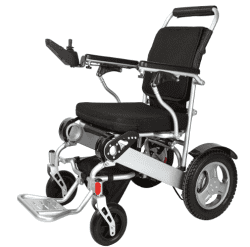
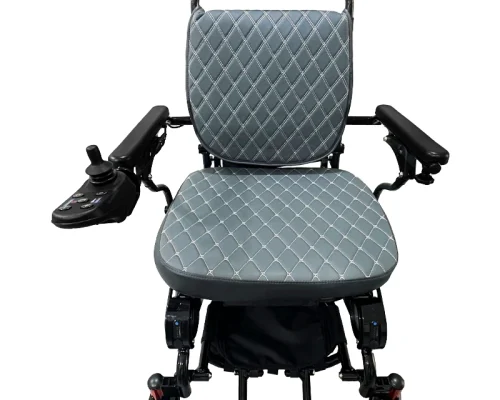
- Electric Wheelchairs: Suitable for those with limited strength or mobility challenges, providing powered assistance and convenience.
Tailoring the wheelchair to the user’s mobility needs enhances independence and promotes a sense of autonomy, essential for people of determination.
Intended Use
Choosing a wheelchair also depends on where and how it will be used.
Indoor Use
If the wheelchair will primarily be used indoors, consider models that are:
- Highly maneuverable in tight spaces
- Easy to navigate through doorways
- Comfortable for long periods of sitting
Outdoor Use
For outdoor use or uneven terrain, heavy-duty wheelchairs with sturdy wheels, like a bariatric electric wheelchair, may be more appropriate.
Bathroom Use
Specialized bathroom wheelchairs are compact, waterproof, and designed to safely navigate confined spaces. Key safety features include non-slip grips and secure brakes to maintain stability during personal hygiene activities.
Explore our Electric Mobility Scooters
Comfort and Support
Proper support is as important as comfort. Look for:
- Padded seats and adjustable backrests
- Comfortable armrests
- Features that prevent fatigue or pressure sores
These features are especially important for elderly users who spend extended periods in the wheelchair.
Types of Wheelchairs for Elderly
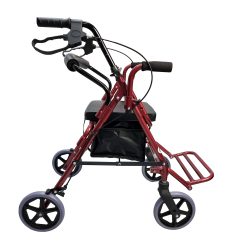
Manual Wheelchairs
- Affordable and low maintenance
- Easy to use for those with some mobility
- Requires caregiver support if the user cannot self-propel
Explore our Manual Wheelchair
Electric Wheelchairs
- Powered mobility for independent movement
- Ideal for elderly users with limited strength
- Requires battery charging and maintenance
Explore Our Electric wheelchair
Wheelchair Safety for Senior Users
Safety should always be a priority. Key considerations include:
- Secure brakes to prevent rolling
- Anti-tip mechanisms
- Adjustable seat belts for transport
- Compliance with safety standards and regulations
An adjustable and customizable wheelchair ensures safety and comfort as the user’s needs change over time.
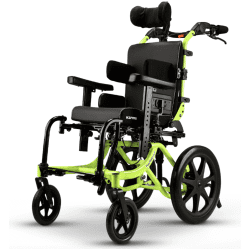
Adjustability and Customization
A wheelchair with adjustable features provides a personalized experience:
- Seat height and armrest adjustments
- Adjustable backrest angles
- Options for different terrains and daily activities
Customizable wheelchairs adapt as the elderly user’s mobility and lifestyle change, extending the usability and overall satisfaction.
Conclusion
Choosing the right wheelchair for elderly loved ones is more than a functional decision—it’s an investment in their independence, safety, and quality of life. Consulting mobility experts ensures the right fit and support for your loved one.
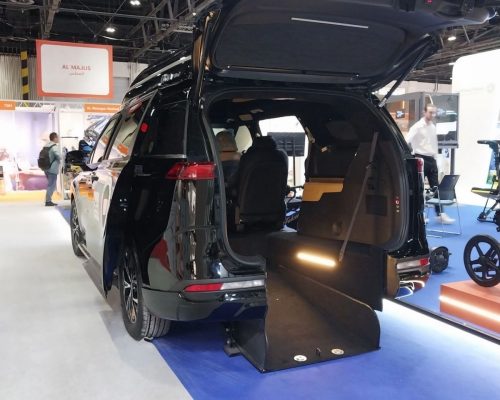
Gilani Mobility offers high-quality mobility solutions, including wheelchairs, mobility scooters, patient lifters, and home or vehicle modifications, designed to improve accessibility for people of determination.
FAQs
What type of wheelchair is best for elderly?
The best wheelchair depends on the individual’s mobility level, health, lifestyle, and intended use. Both manual and electric options can be suitable depending on these factors.
When should an elderly person use a wheelchair?
Wheelchairs may be used for mobility challenges, fatigue, recovery from surgery, chronic health conditions, or for enhancing independence in daily activities.
