








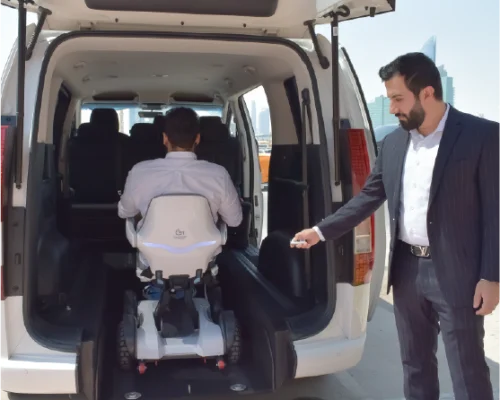
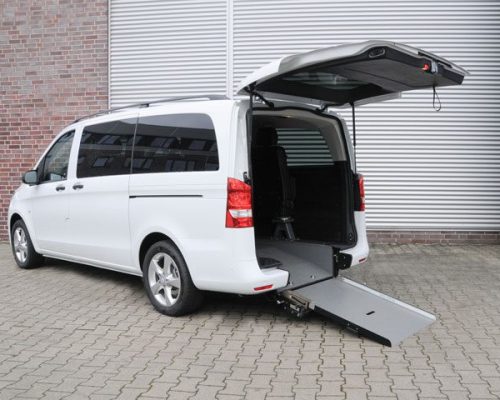





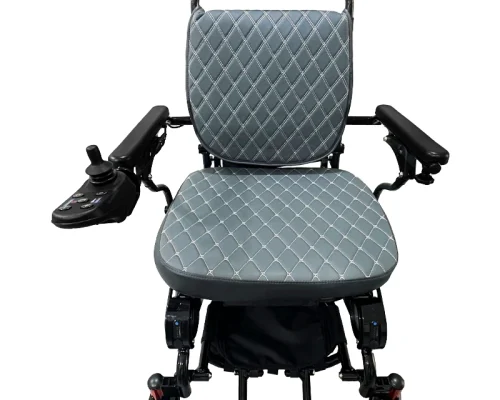








A wheelchair seat belt is one of the most important safety features for anyone using a wheelchair daily. Whether the user is navigating indoors, traveling outdoors, or riding in a wheelchair accessible vehicle, proper securement significantly reduces the risk of falls and injuries. For many People of Determination, a seat belt is not just an accessory — it is an essential component for stability, posture support, and overall safety.
Wheelchair seat belts help users remain securely positioned while moving across different surfaces, from smooth indoor floors to uneven outdoor terrain. They also provide caregivers and family members peace of mind, knowing that their loved ones are safely supported while using their mobility equipment.
If you are choosing mobility equipment or accessories, it is always recommended to purchase from trusted specialists like Gilani Mobility to ensure the product meets proper safety standards.
Why Wheelchair Seat Belts Are Important
Preventing Falls and Injuries
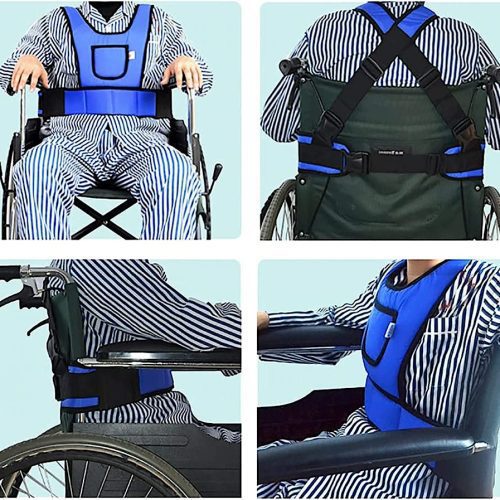
No mobility device can completely eliminate risk, but the right safety accessories dramatically reduce it. A properly installed wheelchair seat belt prevents users from sliding forward or falling out of the chair during sudden stops, sharp turns, or uneven surfaces.
This is particularly important for elderly users or People of Determination with limited balance control. A strong lap belt or harness keeps the user safely positioned in the wheelchair during movement.
If you’re exploring safe mobility options, you may also want to read:
Improving Posture and Stability
Many wheelchair users remain seated for extended periods throughout the day. Without adequate support, this can lead to poor posture, discomfort, and long-term spinal issues.
A properly adjusted wheelchair seat belt:
- Prevents sliding forward in the chair
- Helps maintain proper sitting posture
- Provides additional torso support
- Reduces the risk of pressure-related injuries
For users who require additional posture control, specialized belts such as air traction belts can help support the lower back and pelvis.
Types of Wheelchair Seat Belts
Understanding the different types of wheelchair seat belts helps you choose the safest option for the user’s mobility level and physical needs.
Two-Point Wheelchair Seat Belt
The two-point wheelchair seat belt is the most common and widely used option. It attaches to two anchor points on either side of the wheelchair frame and secures across the user’s lap.
Benefits
- Simple and easy to use
- Quick to buckle and release
- Comfortable for daily use
Ideal For
Users with sufficient upper body strength who can maintain their seated position independently.
Four-Point Wheelchair Seat Belt
A four-point wheelchair seat belt includes two additional shoulder straps connected to the wheelchair frame. This creates a more secure restraint system that stabilizes the upper body.
Benefits
- Greater stability during movement
- Additional posture support
- Reduced risk of forward leaning or sliding
Ideal For
Individuals with moderate mobility limitations who require more upper body support.
Harness-Style Wheelchair Seat Belt
Harness-style seat belts provide the highest level of support and stability. They wrap around the torso, shoulders, and chest to keep the user fully supported.
Benefits
- Maximum safety and support
- Prevents upper body collapse or sudden movements
- Ideal for long travel or uneven environments
Ideal For
Users with limited upper body control or severe mobility restrictions.
Factors to Consider When Choosing a Wheelchair Seat Belt
Selecting the correct wheelchair seat belt requires evaluating the user’s physical needs, lifestyle, and wheelchair design.
User Mobility and Strength
Users with greater mobility may only need a lap belt, while individuals with limited upper body strength may require a four-point or harness-style belt.
Comfort and Fit
Comfort is essential for long-term wheelchair use. Look for belts with:
- Adjustable straps
- Soft padding
- Breathable materials
This ensures the user remains secure without discomfort.
Ease of Use
A good seat belt should be easy to fasten and release. For users who operate their wheelchair independently, choose belts with simple buckle systems.
Lifestyle and Activity Level
Some wheelchair users lead very active lifestyles, frequently traveling or navigating outdoor environments. In these cases, a stronger securement system provides added safety.
If the wheelchair is frequently used outdoors or for travel, you may also want to explore:
Safety Standards and Compliance
Always ensure the wheelchair seat belt meets safety regulations. This is especially important for wheelchair users traveling in wheelchair accessible vehicles.
Wheelchair Seat Belt Installation and Maintenance
Proper installation and maintenance ensure your wheelchair seat belt remains safe and effective.
Follow Manufacturer Instructions
Always install the belt according to the manufacturer’s guidelines. Make sure:
- Anchor points are properly secured
- Straps are correctly adjusted
- Buckles are functioning properly
Regular Safety Inspections
Inspect the seat belt regularly for signs of wear such as:
- Frayed straps
- Loose stitching
- Damaged buckles
A damaged seat belt should be replaced immediately.
Cleaning and Care
To extend the life of your wheelchair seat belt:
- Clean using mild detergent
- Avoid harsh chemicals
- Allow the belt to dry completely before use
Frequently Asked Questions
How do you put a seat belt on a wheelchair?
Locate the attachment points on the wheelchair frame. Thread the belt through the designated anchor points and secure it tightly. Adjust the belt so the user is comfortable but firmly supported.
How do you use a wheelchair seat belt?
After the user is seated, fasten the buckle and adjust the strap so the belt fits snugly across the lap or torso without restricting movement.
Can you install a seat belt on any wheelchair?
Yes. Most wheelchairs can be fitted with a wheelchair seat belt using frame anchor points or mounting brackets.
Is a wheelchair seat belt considered a restraint?
Technically yes, but it is primarily designed for safety and positioning, not restriction. It helps keep the user securely seated during movement.
Why do wheelchairs have seat belts?
Wheelchair seat belts prevent falls, improve posture, and increase overall user safety. For many People of Determination, they are a vital part of safe daily mobility.
Final Thoughts
A wheelchair seat belt is a simple yet powerful safety accessory that improves stability, posture, and protection for wheelchair users. Choosing the correct type based on the user’s needs ensures both comfort and security.
If you’re looking for reliable mobility equipment, explore professional mobility specialists that provide high-quality wheelchairs, accessories, and accessibility solutions designed to support People of Determination.
